In this post
- Why Tiramisù Anchors Tuscan Dessert Culture
- What Makes Tiramisù Harder Than It Looks
- Beyond Tiramisù: Other Tuscan Sweets Worth Knowing
- Regional Variations Worth Tasting
- Is Dessert the Best Part of a Cooking Class?
- Learning Technique, Not Just a Recipe
- Why a Hands-On Class Beats a Recipe Card
- Who Gets the Most Out of This
- What Actually Sets a Good Class Apart
- Where to Actually Learn It
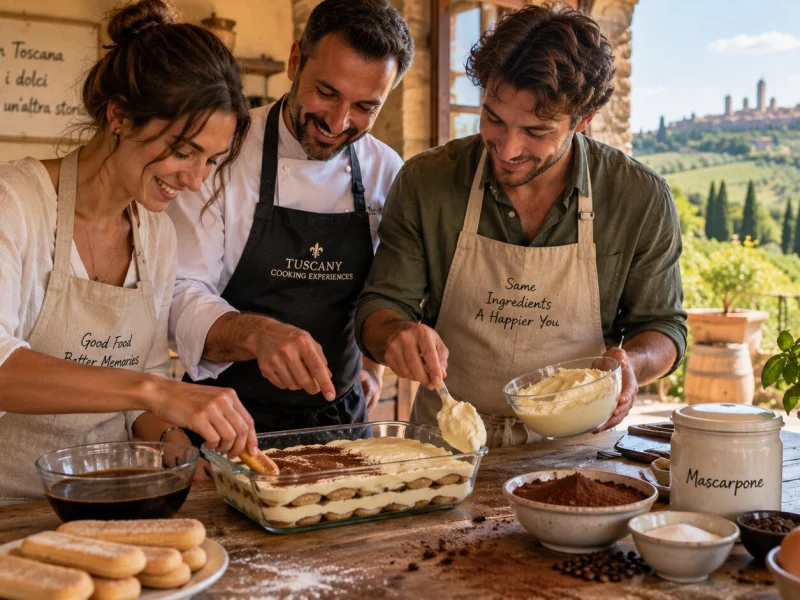
Tuscan cooking gets talked about for its pasta, its bread, its olive oil. Dessert rarely gets the same spotlight. That's strange, given how central it actually is to a proper Tuscan meal. A Tuscan desserts cooking class puts that final course back where it belongs. Something worth learning properly, not an afterthought tacked onto the end of lunch.
Tiramisù sits at the center of most of these classes, and for good reason. It's the dessert most travelers already know by name. Very few have actually made one that turned out right.
That gap between familiarity and execution is exactly why dessert deserves its own place in a Tuscan cooking lesson, rather than getting squeezed in as an afterthought once the savory courses are already finished.
Why Tiramisù Anchors Tuscan Dessert Culture
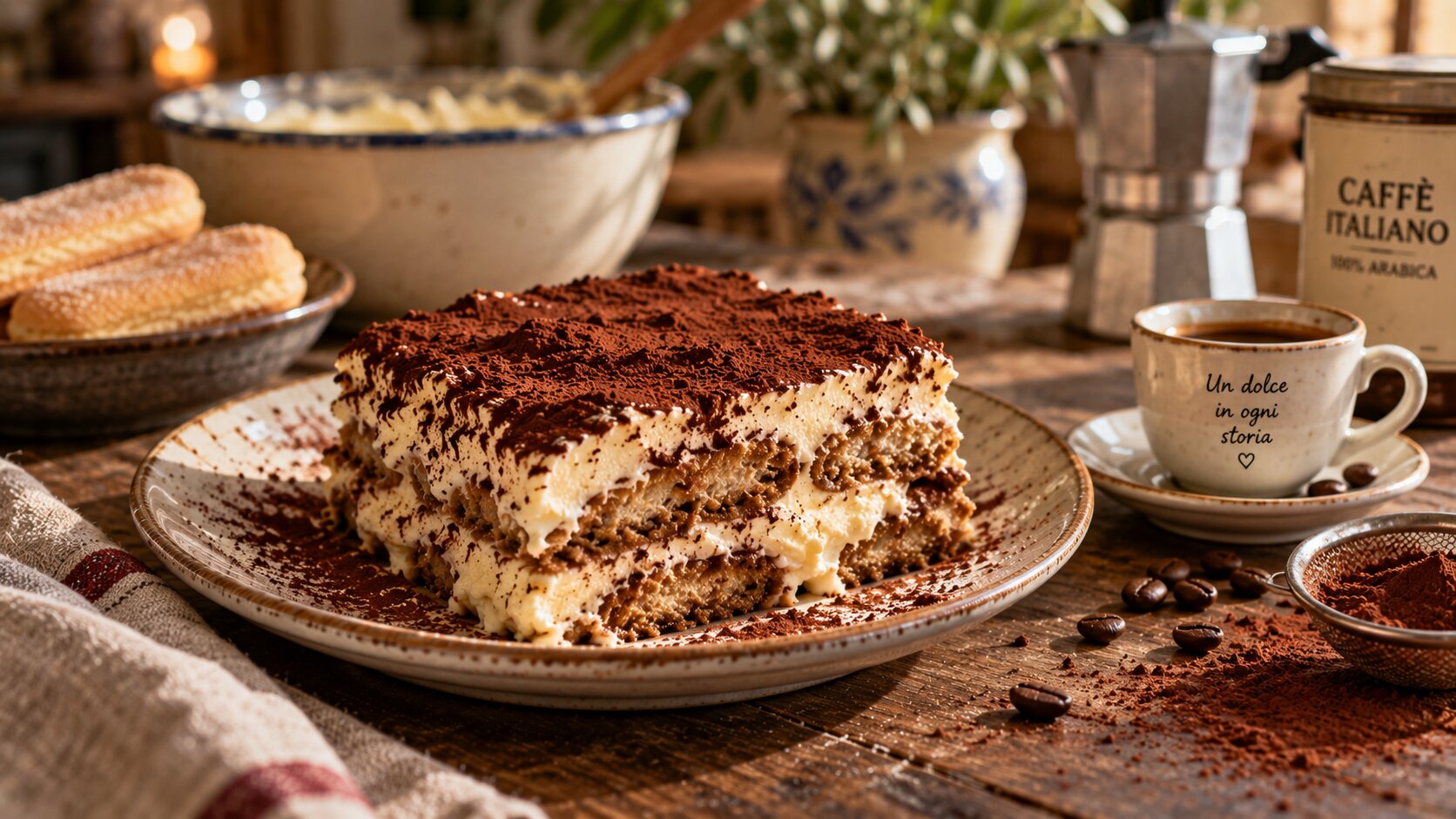
Tiramisù didn't originate in Tuscany specifically, but it has become one of the most requested dishes in cooking classes across the region regardless. Coffee-soaked biscuits, mascarpone, cocoa. Simple ingredients that somehow produce something far more impressive than the list suggests.
That gap between simplicity and result is exactly what makes it worth learning in person. On paper, tiramisù looks approachable enough for anyone. In practice, a handful of small technical details separate a good one from a forgettable one.
What Makes Tiramisù Harder Than It Looks
The mascarpone mixture is where most home attempts go wrong. Too much whisking and it turns grainy. Too little and it never sets properly. Getting the texture right takes a feel that's difficult to describe in a written recipe. It's easy enough to demonstrate standing next to someone doing it correctly.
Timing matters just as much. The coffee-soaked ladyfingers need exactly the right amount of liquid. Not so little that they stay dry, not so much that the whole dessert turns soggy by the time it's served. A good instructor catches these small errors in real time. A printed recipe simply can't do that.
Beyond Tiramisù: Other Tuscan Sweets Worth Knowing
Tiramisù isn't the only dessert worth learning about in Tuscany, even if it's the most famous. Cantucci, the region's almond biscotti, traditionally get served alongside a glass of Vin Santo, the local dessert wine, for dipping. Torta della nonna, a custard-filled tart topped with pine nuts, shows up on menus across the region with quiet regularity. It rarely gets mentioned outside Italy, though.
A well-rounded dessert class often introduces at least one of these alongside tiramisù. That gives a broader sense of Tuscan sweets beyond the one dish most visitors already expect.
Regional Variations Worth Tasting
Tiramisù has picked up plenty of regional twists across Italy over the decades. Limoncello versions in the south, chocolate-heavy takes elsewhere, even fruit-based variations that swap out the coffee entirely. Tuscany's version tends to stay closer to the classic, leaning on quality ingredients rather than reinvention.
Tasting a few of these variations during a class, rather than attempting to recreate them all at home afterward, tends to be the more rewarding approach. The differences come down to subtle ratios and technique. Those are far easier to appreciate by eating a well-made version than by guessing at a recipe.
Is Dessert the Best Part of a Cooking Class?
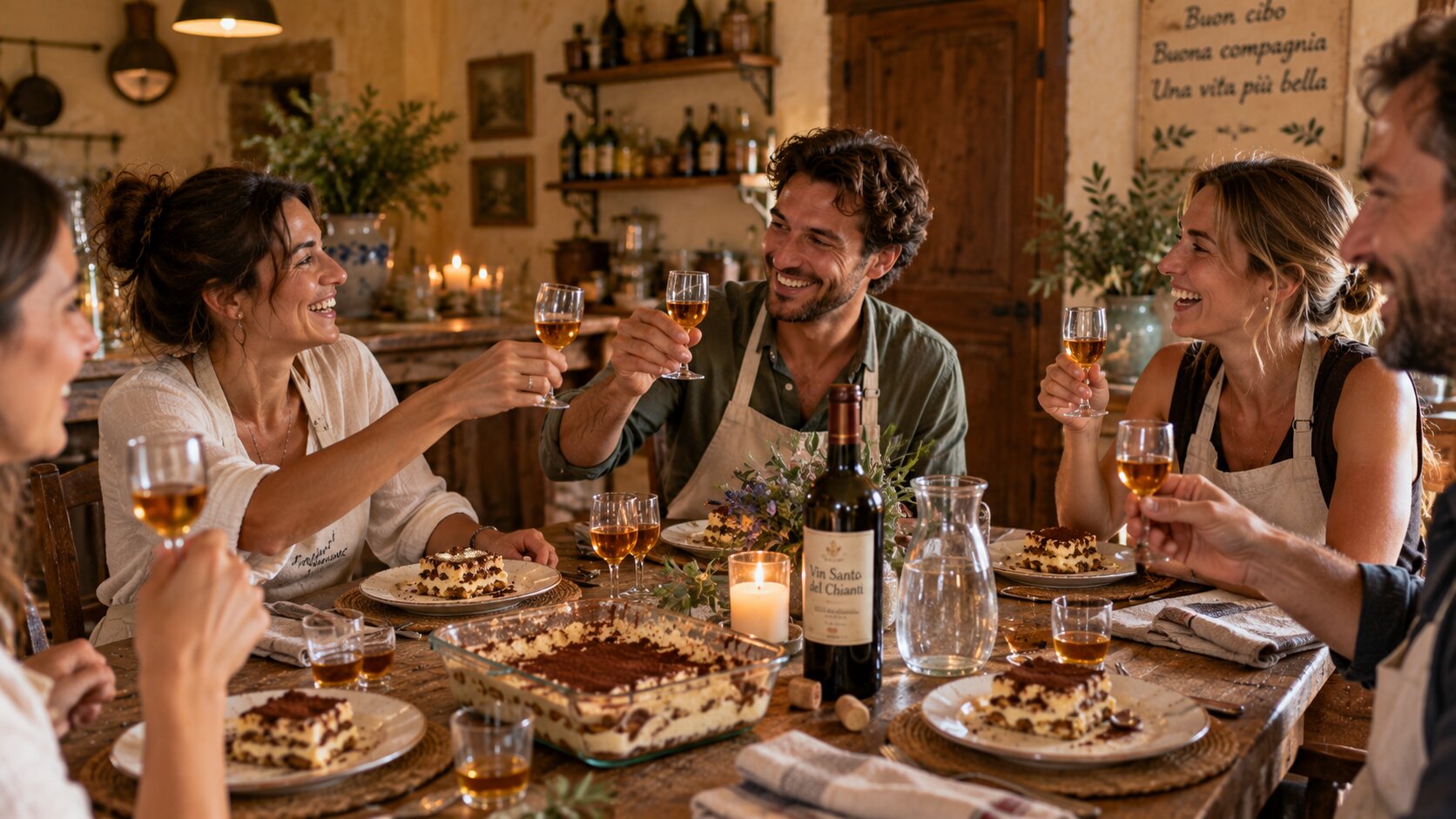
For a lot of travelers, yes, even if it's not the reason they booked in the first place. Savory courses tend to get more attention going in, but dessert is often what people talk about afterward. There's something about the final course, eaten slowly, with wine, at the end of a long afternoon. It tends to stick in memory longer than the pasta course before it.
This is part of why a well-structured class treats dessert as a proper final chapter, rather than a rushed add-on once everyone's already full.
Learning Technique, Not Just a Recipe
The real value of a hands-on dessert class isn't the ingredient list, which is short enough to remember without writing down. It's the technique. How the mascarpone should feel at each stage. How much coffee is actually enough. How long to let the whole thing set before serving.
These are the details that separate a restaurant-quality tiramisù from a passable one. They're exactly the details that don't translate well onto a page. Watching a chef correct a mistake in real time teaches more in five minutes than an evening spent troubleshooting a failed attempt at home ever could.
Why a Hands-On Class Beats a Recipe Card
Plenty of travelers leave Italy with a folder of recipes they never actually cook. A dessert made and eaten the same afternoon, in the country where it comes from, tends to stick with people. A recipe card tucked into a drawer rarely does the same.
There's also the setting itself. Making tiramisù in a Tuscan farmhouse kitchen, surrounded by the same hills that produce the region's coffee culture and dairy, adds context no home kitchen can replicate. That holds true no matter how carefully the recipe gets followed.
Who Gets the Most Out of This
Travelers who already enjoy cooking tend to appreciate the technical side most. The actual mechanics of getting mascarpone to the right consistency, or biscuits to the right level of soak. Complete beginners benefit just as much, though, since dessert requires less prior kitchen confidence than a course built entirely around fresh pasta or bread.
Families traveling with older kids or teenagers also tend to find dessert the most engaging part of a longer cooking class. Assembling layers is more visual and less technical than kneading dough, which makes it an easier entry point for less experienced hands in the kitchen.
What Actually Sets a Good Class Apart
Not every dessert class handles this final course the same way. Some rush through it in the last ten minutes, treating it as an obligation rather than a skill worth teaching properly. Others give it the same attention as the savory courses that came before, with a real explanation of technique rather than a quick demonstration.
That difference tends to show up in the result. A tiramisù made carefully, with time to get the layers right, comes out noticeably better than one assembled in a rush at the end of a long class.
Where to Actually Learn It
A Tuscan desserts cooking class works best as part of a broader hands-on lesson, not a standalone dessert-only session. Our Pasta & Pesto Class with a View, plus Tiramisù & Optional Local Market Tour from Florence builds tiramisù into the final course of a full Tuscan cooking lesson, after fresh pasta and bruschetta made from scratch. Our guide to fresh pasta making classes in Tuscany covers what the earlier savory part of a class like this involves in more detail.
The class takes place in a countryside kitchen with a chef guiding every step, from the mascarpone mixture to the final assembly. That's why the tiramisù coming out at the end actually turns out the way it's supposed to. Our guide to traditional Tuscan food covers how dessert fits into the wider rhythm of a Tuscan meal. That's useful context for understanding why the final course gets treated with just as much care as everything that came before it.