In this post
- What "Organic" Actually Means for a Tuscan Vineyard
- Why Chianti Has Become a Hub for Organic Winemaking
- Are Organic Wines Actually Different in Taste?
- Family-Run Estates and the Organic Advantage
- What a Visit to an Organic Winery Looks Like
- Spotting the Real Thing
- Tasting Organic Wine the Right Way
- Organic vs Biodynamic: A Related but Different Label
- What Certification Doesn't Guarantee
- Finding Organic Estates Worth the Trip
Organic wineries in Tuscany aren't a niche trend anymore. They're increasingly the default among smaller, family-run estates across Chianti. A growing number of producers have quietly moved away from synthetic pesticides and fertilizers over the past two decades. The shift rarely gets much attention outside the region itself, but it's changed how a lot of Tuscan wine actually gets made.
Visiting one of these estates looks a little different than visiting a large commercial winery. The vineyards themselves tell part of the story, even before the first glass gets poured.
It also changes what a guide actually talks about during a visit. Less marketing language, more real explanation of how the vines are managed day to day.
For travelers who care about how their food and wine actually gets produced, this shift matters well beyond the taste in the glass. It shapes the whole character of a visit, from the vineyard walk to the final tasting.
What "Organic" Actually Means for a Tuscan Vineyard
Organic certification in Italy follows strict EU regulations. No synthetic pesticides, no chemical fertilizers, and specific limits on the sulfites added during winemaking. Certification takes years. The soil itself needs time to recover from any previous conventional farming before a vineyard can be certified.
This isn't just a labeling exercise. Producers who go organic often describe it as a shift in how they think about the land itself. They treat the vineyard as a living system, not a crop managed with chemical shortcuts.
Why Chianti Has Become a Hub for Organic Winemaking
Chianti's hilly terrain and Mediterranean climate suit organic methods better than many other wine regions. Good drainage and consistent sun reduce the fungal pressure. That's the pressure that often pushes conventional vineyards toward chemical treatment in the first place.
Family ownership plays a role too. Many of Chianti's organic producers are estates that have stayed in the same family for generations. They're run by people with a direct, personal stake in the long-term health of their own land, not a short-term yield target.
Are Organic Wines Actually Different in Taste?
This is the question most visitors ask first, and the honest answer is: it depends on the producer. Organic farming doesn't automatically improve flavor. It does tend to produce grapes with more concentrated character, since the vines aren't propped up by synthetic fertilizer pushing rapid, diluted growth.
Many winemakers argue that organic wines express their specific patch of land, their terroir, more clearly than conventionally farmed equivalents. Whether a taster notices the difference varies. The philosophy behind it shapes everything, from how the vines get pruned to when the grapes get picked.
Family-Run Estates and the Organic Advantage
Smaller, family-run wineries adapt to organic methods more easily than large industrial producers. Fewer hectares mean pests and disease can be managed by hand. That's instead of the blanket chemical treatments large-scale conventional vineyards often rely on.
Our guide to how to choose a winery in Chianti covers what separates a genuine family estate from a larger commercial operation dressed up to look artisanal. That distinction matters even more once organic farming enters the picture. It's usually the smaller producers doing it properly.
What a Visit to an Organic Winery Looks Like
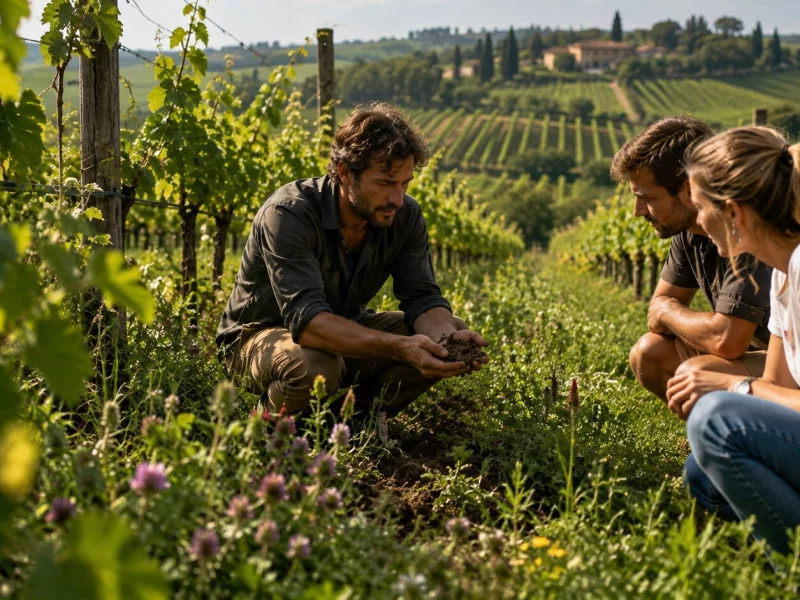
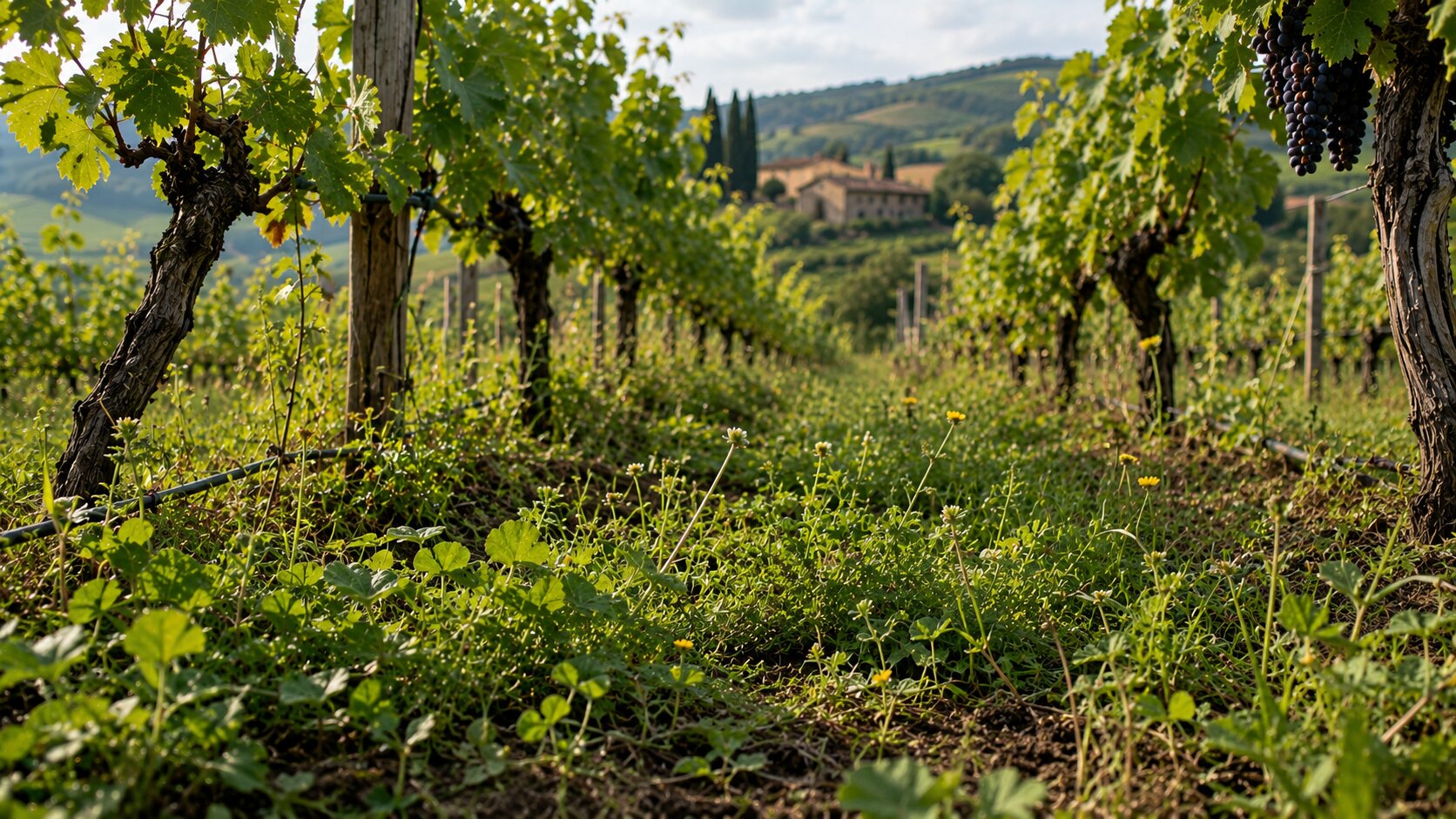
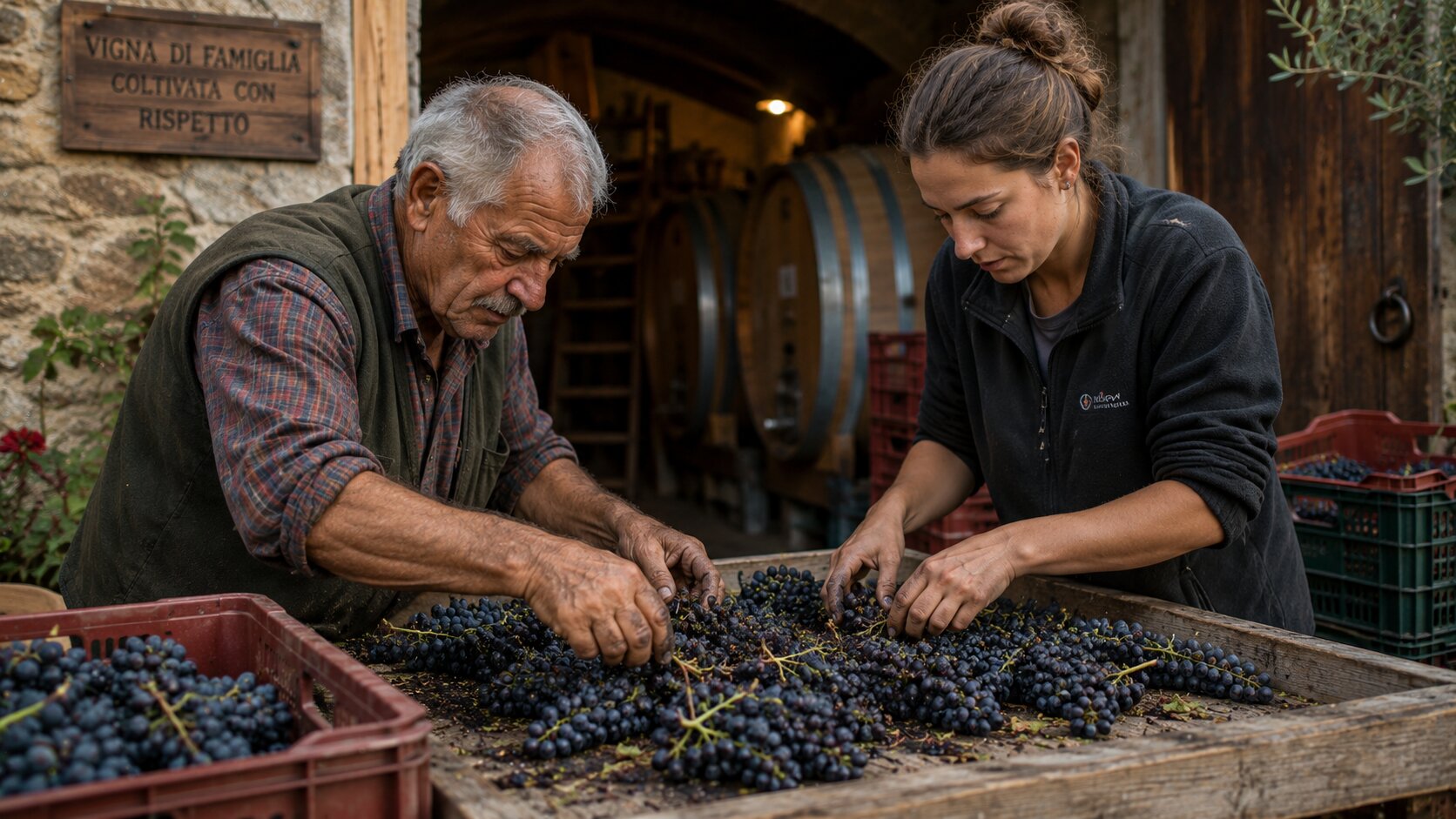
A visit to an organic estate often starts in the vineyard itself, not the tasting room. Walking between the rows, a guide can point out cover crops planted between vines and natural pest deterrents like specific flowers or herbs. The soil texture looks visibly different too, a result of years without chemical treatment.
The cellar tour that follows tends to emphasize minimal intervention winemaking. Native yeasts instead of commercial ones. Lower sulfite levels. Less filtration than conventional wine typically undergoes.
Spotting the Real Thing
Not every winery that talks about sustainability is certified organic, and the distinction matters. Certification requires third-party verification and years of documented practice, not just a marketing phrase on a label. Genuine organic estates can usually explain their certification specifically. They rarely gesture vaguely toward being "natural" or "eco-friendly" without backing it up.
Our guide to Chianti wine explained covers how the DOCG classification works and what actually separates a serious Chianti Classico from a mass-market bottle. It's useful context for understanding where organic practices tend to concentrate most heavily among the region's smaller producers.
Tasting Organic Wine the Right Way
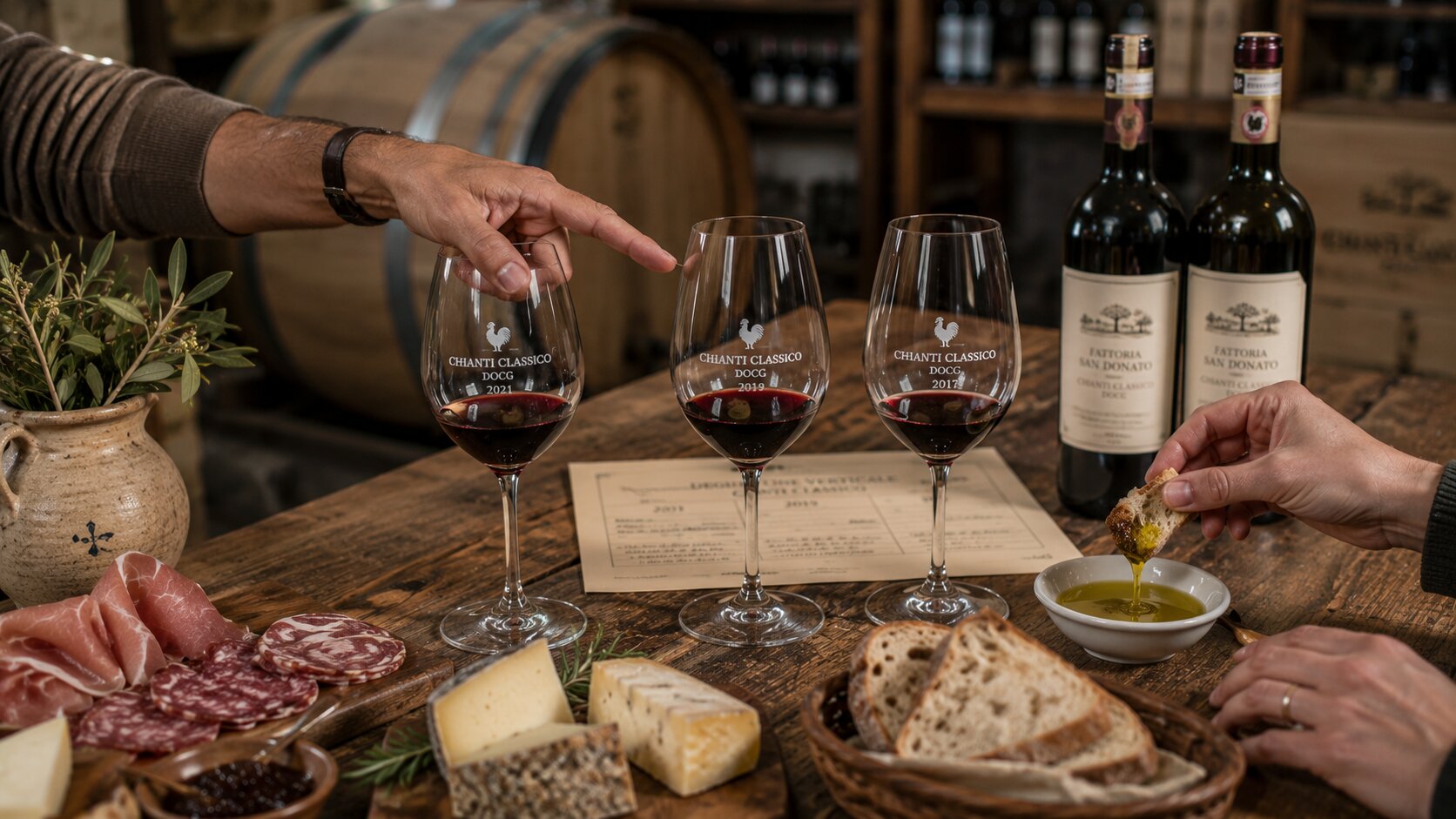
An organic tasting benefits from a slower pace than a typical wine-tour stop. The wines often express more variation between vintages. A good tasting spends real time comparing years side by side, rather than rushing through a standard pour of the current release.
Pairing food alongside the tasting matters here too. Cured meats, cheese, and olive oil sourced from the same organic estate give a fuller picture of the farm's philosophy than the wine alone ever could.
Organic vs Biodynamic: A Related but Different Label
Travelers sometimes encounter the word "biodynamic" alongside "organic" and assume they're interchangeable. They're related but not identical. Biodynamic farming builds on organic principles but adds a broader philosophy around timing, soil health, and the farm as a self-contained ecosystem, following practices developed nearly a century ago.
Not every organic estate in Chianti is biodynamic, and not every biodynamic estate advertises the distinction clearly. Asking directly during a visit usually gets a straightforward answer, since producers who've gone through either certification tend to be proud enough of the process to explain it.
What Certification Doesn't Guarantee
Organic status covers farming and winemaking methods, not automatically the overall visitor experience. A certified estate can still run a rushed, impersonal tasting if it's set up primarily for large tour groups rather than smaller, curious visitors.
This is where the size of the estate tends to matter as much as the certification itself. A small organic producer with a genuine story to tell usually makes for a far better visit than a larger operation that happens to hold the same certificate.
Finding Organic Estates Worth the Trip
Organic wineries in Tuscany reward travelers willing to look past the biggest, most commercial names in Chianti. Smaller family estates, often overlooked by larger tour operators, tend to offer the most genuine version of this experience. Guides here actually work the land, rather than simply narrating a script.
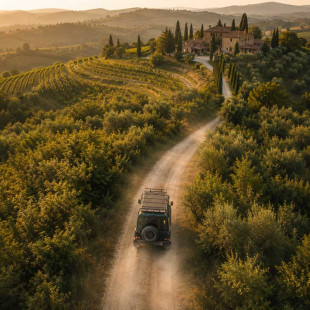
Our Wine Safaris: Off-Road Tuscany Wine Tours with Lunch from Florence includes a morning departure built around exactly this kind of estate. It includes a guided tasting of Chianti Classico wines and a real look at organic winemaking in practice. The off-road route into the Chianti hills reaches family-run vineyards that a standard paved-road tour would likely miss entirely, ending with a Tuscan lunch featuring farm-fresh ingredients pulled straight from the same organic land the wine comes from.