In this post
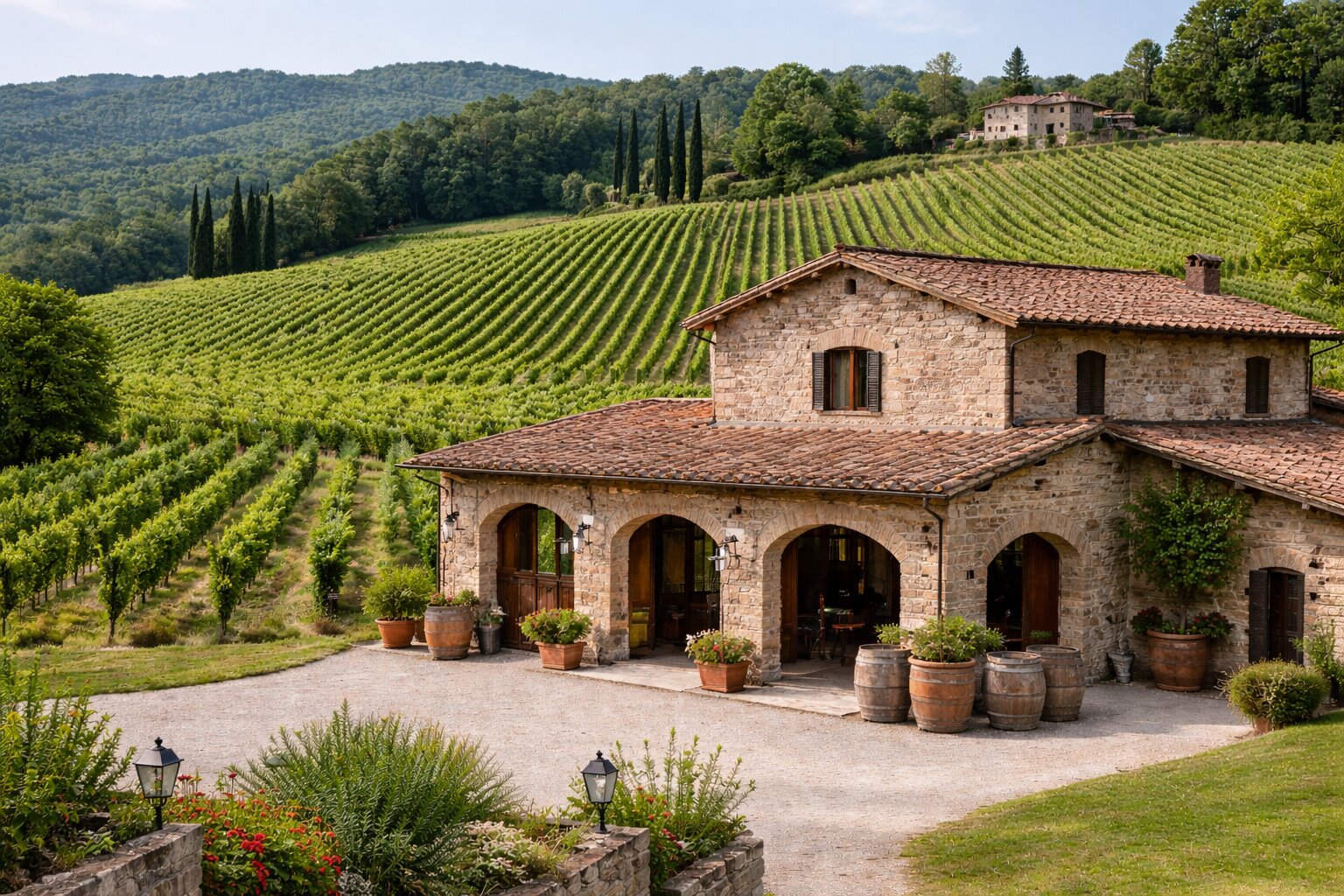
Chianti isn't a single vineyard you can point to on a map. It's a patchwork of hundreds of estates, spread across hills between Florence and Siena. Picking which one to visit can feel harder than it should. Knowing a bit about how the region actually works makes that choice much easier.
Most first-time visitors start with a name they've seen on a wine label at home, then get overwhelmed once they realize how many estates share the same broad region. A little background on how Chianti is organized turns that overwhelm into a shortlist.
Understanding the Landscape of Chianti
The historic core, Chianti Classico, got its boundaries in 1716. That year, Grand Duke Cosimo III de' Medici issued the edict delimiting the zone between Florence and Siena. Historians consider it one of the first legally protected wine regions anywhere. It predates the classification systems of Bordeaux and Champagne by more than a century.
That historic zone covers the communes of Greve, Castellina, Radda, and Gaiole. It also includes parts of Barberino Tavarnelle, San Casciano, and Castelnuovo Berardenga. Vineyards here sit between 250 and 600 meters above sea level. Two soil types dominate: galestro, a crumbly, limestone-rich shale, and alberese, a denser clay-limestone. Both drain well and stress the vines just enough to concentrate flavor in the grapes. Producers in this zone mark their wine with the Gallo Nero, the black rooster trademark the local consortium adopted back in 1924.
Travelers exploring Tuscany through private Tuscany tours from Florence often use this geography as a starting point. They choose wineries inside the Chianti Classico zone specifically for that historical weight, rather than the wider Chianti area that surrounds it.
Estate Wineries vs Commercial Producers
Scale matters more than most first-time visitors expect. The full Chianti Classico zone covers roughly 6,800 hectares of vineyard, farmed by around 350 producers. Many are small, family-run estates that have worked the same hillside for generations. Visit one of these, and you'll likely talk directly with the person who pruned the vines or blended the wine in your glass.
Larger commercial producers run a different kind of operation. Purpose-built visitor centers, bigger tasting rooms, and a more polished presentation are all part of the package. Total production across the zone runs between 255,000 and 285,000 hectoliters a year, and that volume has to come from somewhere. Larger estates fill much of that gap, and the wine can be excellent either way. What changes is the atmosphere. A scripted tasting room feels one way. A conversation that wanders into family history without much prompting feels like something else entirely.
What Makes a Chianti Wine Tasting Meaningful
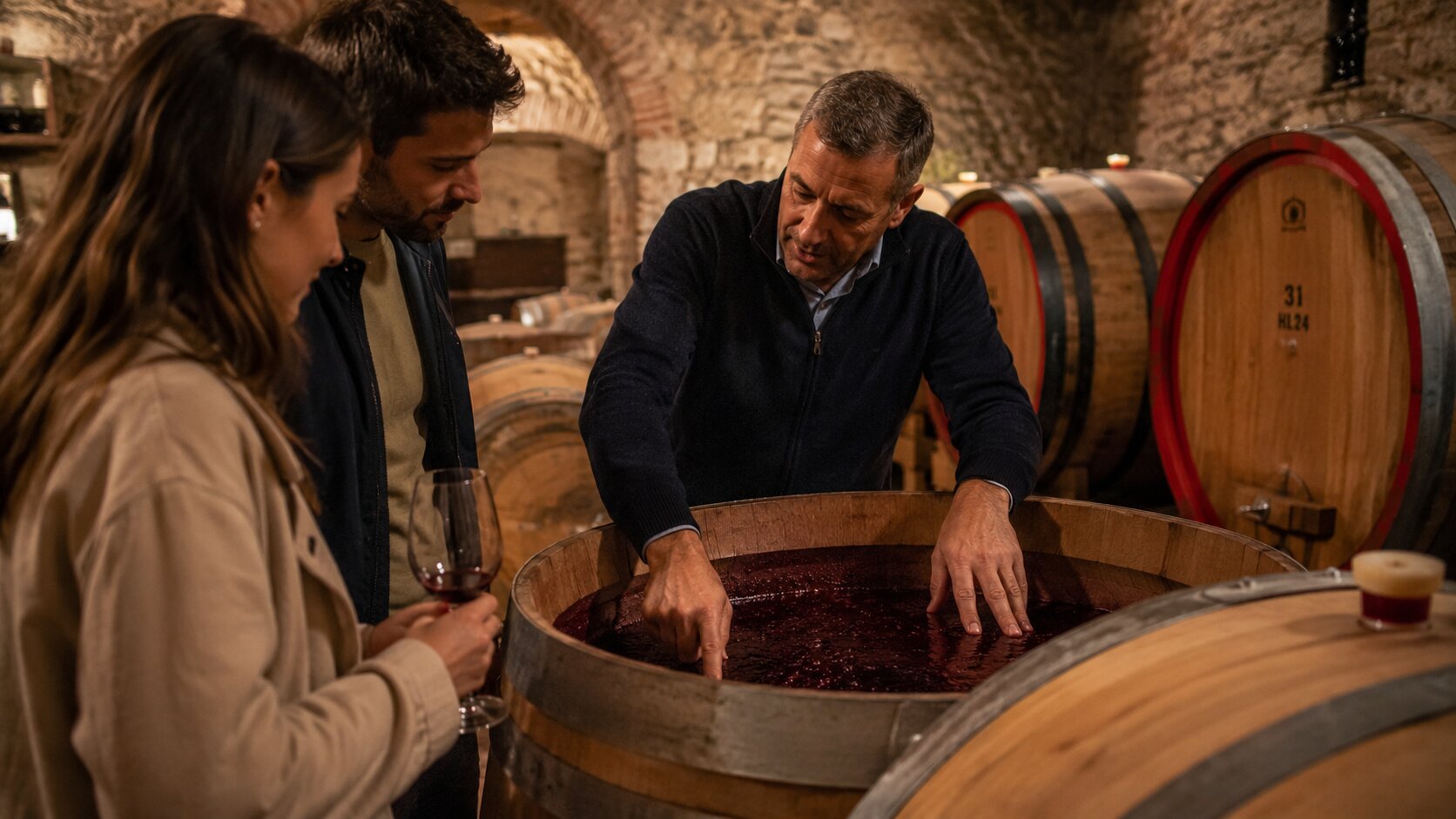
A good tasting isn't about working through a list of wines as fast as possible. It's about understanding why the wine tastes the way it does. Sangiovese sits at the center of every Chianti Classico. By law, it needs to make up at least 80% of the blend. The remaining 20% can come from grapes like Canaiolo, Colorino, or small amounts of Cabernet Sauvignon and Merlot.
The aging category on the label tells you almost as much as the grape does. Annata, the base level, ages for a minimum of 12 months. Riserva needs at least 24 months, with real structure to show for it. Gran Selezione, the newest and strictest category, requires estate-grown fruit and 30 months of aging before release. A producer who can explain why they chose one category over another for a given vintage is usually worth listening to.
Travelers who want that kind of context-rich visit often book a private Chianti wine tasting tour. On these, the wineries get chosen specifically for this kind of conversation, not just for convenient parking.
Small Producers and Family Estates
Many of Chianti's smaller estates have stayed in the same family for decades, sometimes longer. Their wine reflects more than soil and climate. It carries the decisions of whoever's currently running the cellar. Often it carries the decisions their parents or grandparents made before them, too.
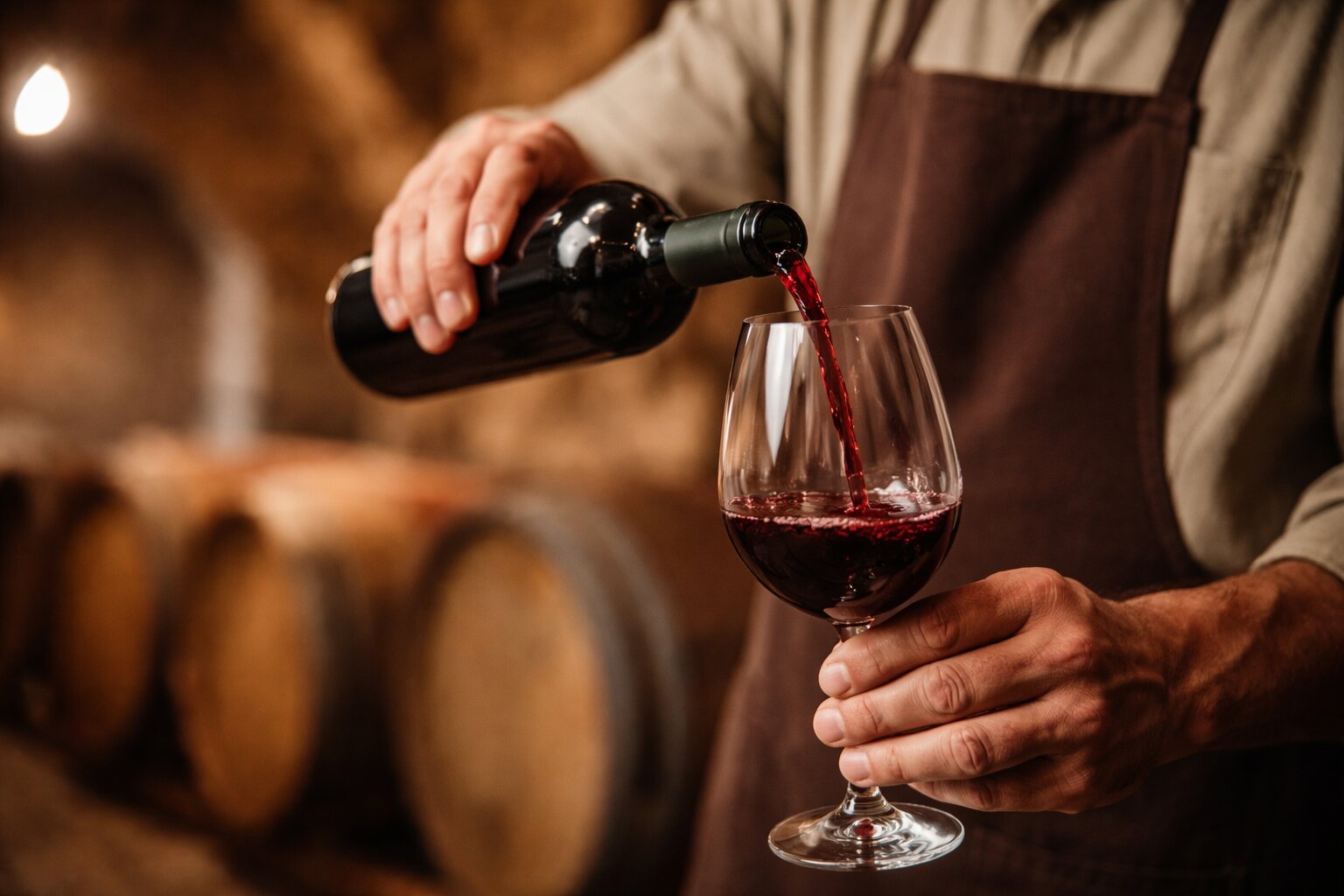
Some of these estates run a handful of hectares and produce only a few thousand bottles a year, sold mostly to visitors and a short list of restaurants in Florence and Siena. That kind of scale means the person pouring your wine might also be the one who drove the tractor that morning. It's a different rhythm than a production line built to fill supermarket shelves across Europe.
Meeting a producer like this gives you something a bigger tasting room can't replicate. You get a direct answer to why they picked a particular clone of Sangiovese. Or why they still use large old oak casks instead of the smaller French barriques that became fashionable in the 1990s. For travelers who care about authenticity over polish, these smaller estates tend to leave the strongest impression.
The Importance of Context
Wine in Chianti rarely stands apart from everything around it. The hillside villages, the olive groves that share space with the vines, the stone farmhouses built centuries before anyone thought to open a tasting room — all of it shapes what ends up in the glass. Baron Bettino Ricasoli worked from Castello di Brolio in the 19th century. He wrote down a formula for the blend that still echoes in today's rules: roughly seven parts Sangiovese to two of Canaiolo, with a touch of Malvasia rounding things out.
Visiting a winery, in that sense, means visiting a piece of the region's architecture and agricultural history at the same time as its wine. Chianti Classico wine isn't just a product. It's the closest thing this region has to a written record of the land itself. Every bottle carries a small piece of that history along with the vintage.
A Thoughtful Way to Experience Chianti
Which winery makes sense for you comes down to what kind of afternoon you're after. Some travelers want a centuries-old cellar and a formal tasting flight. Others want a folding table in a courtyard and a conversation that runs long because nobody's watching the clock. Both exist in Chianti, often within a few kilometers of each other.
These preferences usually start forming earlier than people realize. They often take shape back during the dreaming stage of planning a trip to Italy, well before any winery gets booked. Pay attention to that early instinct, rather than defaulting to whichever estate shows up first in a search. It tends to lead to a more memorable afternoon in the hills.
Travelers who want the vineyards, the landscapes, and the history handled for them can look into curated Tuscany wine tours from Florence. These get built specifically to introduce visitors to wineries worth the detour.