In this post
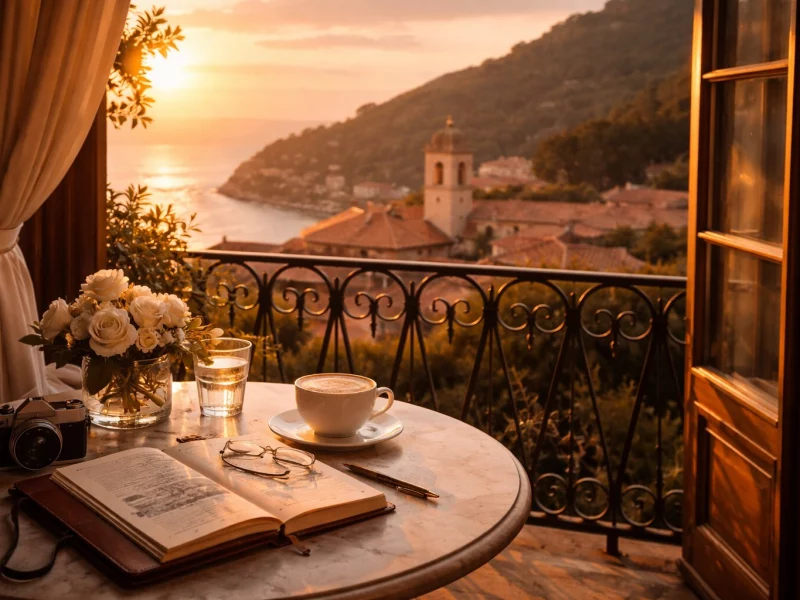
Planning a trip to Italy rarely starts with a clear structure. It usually begins with something less defined an image, a detail, or a moment that stays in mind longer than expected.
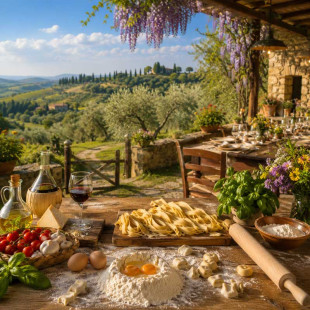
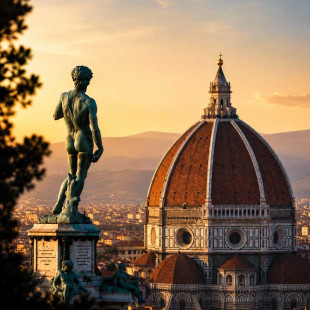
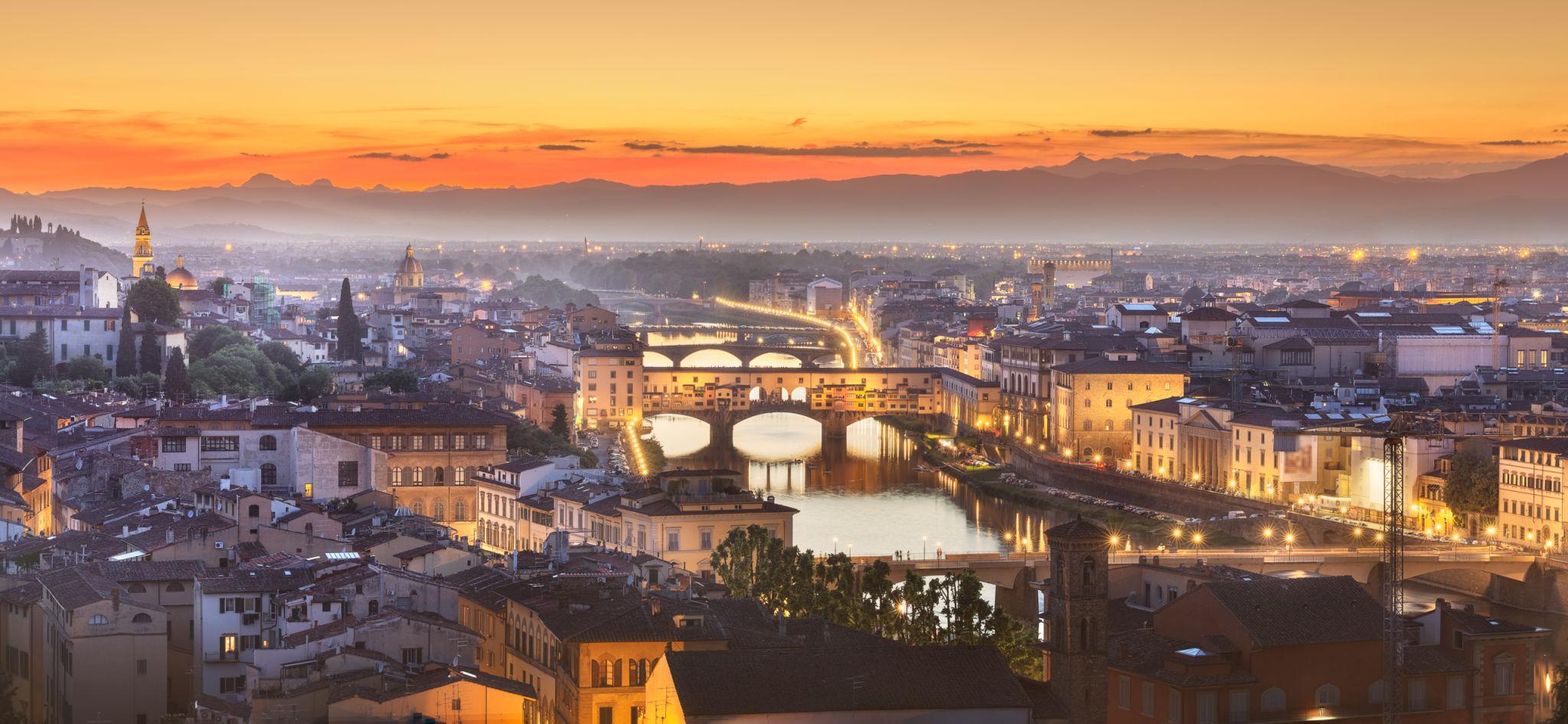
It might be a façade in Florence, a vineyard under soft light, or a quiet piazza just after sunset. At this stage, nothing is fully decided, yet the direction of the journey is already beginning to take shape.
This is what can be described as the dreaming stage of Italy travel planning.
Beyond Inspiration
The dreaming stage is often mistaken for a passive moment something vague, unstructured, almost accidental.
In reality, it is already a form of selection. Even without realizing it, travelers begin to gravitate toward certain ideas, atmospheres, and ways of experiencing a place.
Some are drawn to cities, where history and art unfold layer by layer. Others respond more strongly to open landscapes, where space and silence shape the experience. In other cases, the focus emerges around food, craftsmanship, or a deeper cultural connection.
At this stage, destinations are still fluid. What begins to take form instead is expectation and that expectation will quietly influence every decision that follows.
From Places to Experience
At first, it feels natural to think in terms of places.
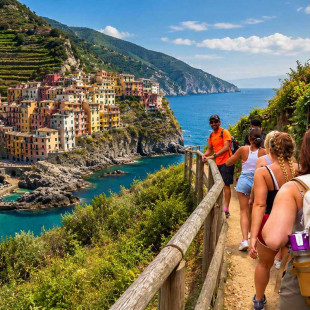
Florence. Tuscany. Cinque Terre.
Yet Italy is not defined by geography alone. What gives each place meaning is the way it is experienced.
The same city can reveal itself in entirely different ways. It may be understood through art, through architecture, or through the rhythm of daily life. In other cases, food and tradition become the lens.
What changes is not the destination, but the depth of engagement.
For this reason, the shift from “where to go” to “how to experience it” marks the beginning of a more considered journey.
Italy does not need to be seen. It needs to be understood.

Time, Pace, and the Shape of a Journey
One of the most subtle aspects of planning a trip to Italy concerns time.
Distances may appear short, yet experiences are dense. Moving too quickly can fragment the journey, while moving too slowly without intention can leave it undefined.
What matters is not speed, but coherence.
Some travelers imagine full days of exploration. Others prefer a quieter rhythm, where observation and stillness carry equal weight. In most cases, the right pace lies somewhere in between.
This rhythm does not emerge by accident. It begins to take shape during the dreaming stage.
Luxury as Clarity
In Italy, luxury rarely depends on excess.
It does not come from adding more, but from removing what is unnecessary.
To travel well here means focusing clearly selecting fewer experiences, but engaging with them more deeply. The journey shifts from accumulation to understanding.
Luxury travel planning in Italy, therefore, becomes an exercise in clarity. It replaces quantity with depth and movement with presence.
This perspective does not begin at the moment of booking. It begins much earlier, when the journey still exists only as an idea.
A Country of Contrasts
Italy does not follow a single narrative. It unfolds through contrasts.
Florence offers structure, history, and intellectual depth. The Tuscan countryside opens into landscape, agricultural rhythms, and silence. Coastal regions introduce a different cadence, shaped by light, sea, and terrain.
What transforms a trip into a journey is not the number of places visited, but the way these elements connect.
During the dreaming stage, these contrasts begin to align. Gradually, the journey becomes less about individual stops and more about continuity.
In this way, travel starts to feel personal rather than predefined.
When Travel Becomes Design
At a certain point, inspiration evolves into intention.
Travel no longer feels like a collection of ideas. It becomes a composition.
Experiences are not simply chosen they are arranged. Transitions gain importance. Timing becomes meaningful. Context shapes perception.
This is the moment when planning becomes design.
Even if it is not yet visible, this transformation begins in the dreaming stage.
Beginning Slowly
There is no urgency here.
Moving too quickly often leads to superficial decisions. Taking time, instead, allows preferences to emerge more clearly.
A slower beginning leads to a more meaningful journey.
Italy rewards attention and attention requires time.
From Dream to Journey
Every journey to Italy begins long before arrival.
It begins with an image, a curiosity, a sense that something is waiting to be understood.
Italy travel planning in the dreaming stage is not about making immediate decisions. It is about asking better questions. What draws you to this place? What kind of experience are you seeking? What pace feels natural?
The answers to these questions shape everything that follows.
And when approached with clarity, the journey does not simply take form.
It reveals itself quietly, and all at once.