In this post
- Where the Simplicity Comes From
- Ribollita: Tuscany in a Bowl
- Pappa al Pomodoro and Panzanella: Bread as an Ingredient
- Bistecca alla Fiorentina: Restraint at Its Most Literal
- Pici: Pasta Without a Machine
- Pecorino Toscano and the Weight of a Cheese Wheel
- Cured Meats, Crostini, and the End of the Meal
- Tasting the Philosophy, Not Just the Dishes
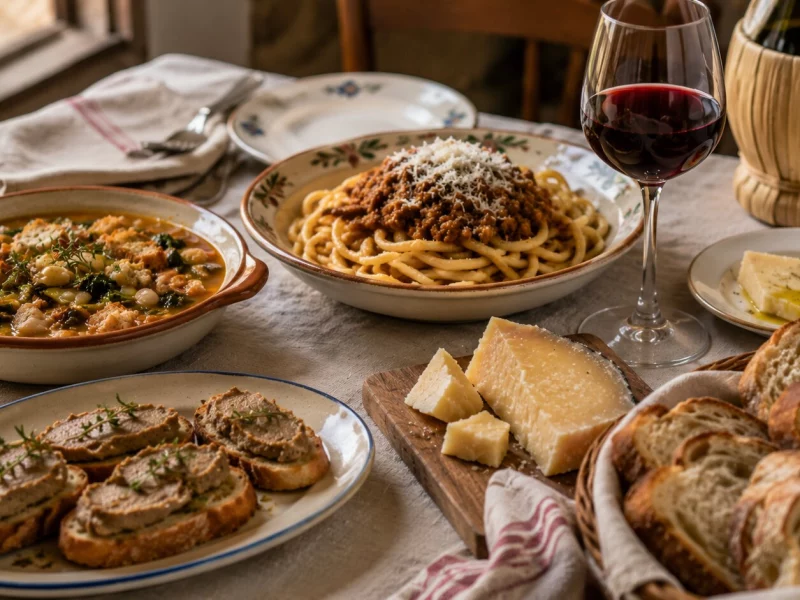
People often call Tuscan food simple. That's true, but it misses the reason why. These dishes weren't built from elaborate technique or expensive ingredients. They grew out of farming schedules, what the garden produced that week, and a habit of wasting nothing. Bread that had gone stale got a second life in soup. Vegetables followed the calendar, not the other way around. Olive oil did the work that butter or cream might do elsewhere. That history still shapes what lands on the table today.
Where the Simplicity Comes From
Tuscan bread makes a good starting point, because it explains a lot of what follows. Traditional Tuscan bread contains no salt at all. One common explanation traces this back to a 16th-century salt tax dispute between Florence and Pisa. Pisa controlled the salt trade along the coast. Whether or not that's the full story, the effect is real. Unsalted bread doesn't compete with the other flavors on the plate. It exists to carry them.
That same logic runs through the whole cuisine. Fewer ingredients, but each one doing real work. You can see this philosophy in action at Florence's Mercato Centrale. Architect Giuseppe Mengoni completed the cast-iron-and-glass market building in 1874, in the San Lorenzo district. The same butchers, cheesemongers, and pasta makers who've worked those stalls for generations still supply Florence's kitchens today. Our guide to Tuscan cuisine explained goes deeper into how seasonality and rural tradition built this identity.
Ribollita: Tuscany in a Bowl
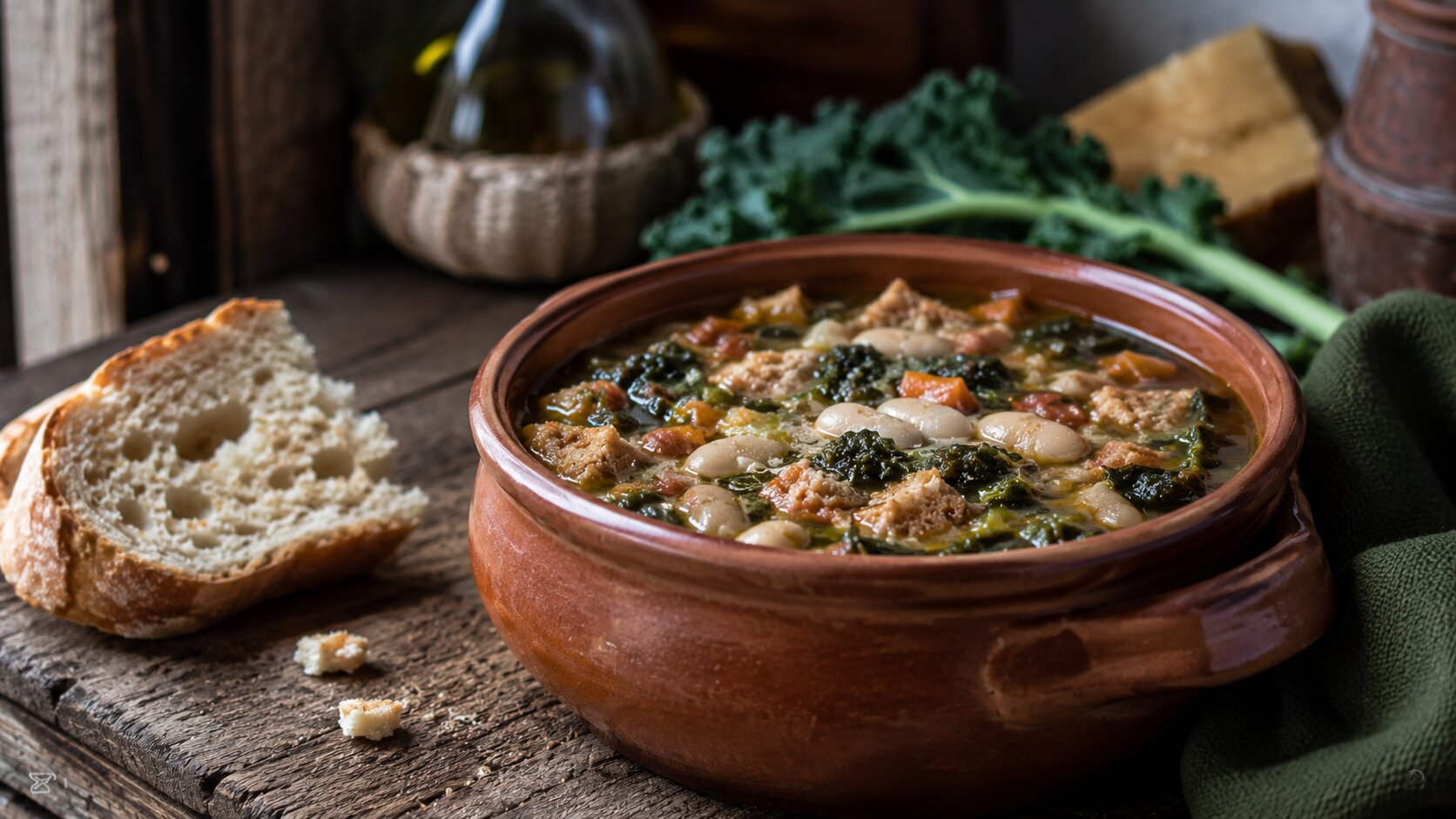
Ribollita means "reboiled," and the name tells you exactly how the dish came to exist. Tuscan farmers made a vegetable and bean soup, minestrone-style. The next day, they reheated the leftovers, letting the flavors deepen further. The stale bread went in to thicken it and stretch the meal further.
Pellegrino Artusi, often credited as the father of modern Italian cookbooks, included the dish in his 1891 book La Scienza in Cucina e l'Arte di Mangiar Bene. He filed it under the recipe name "Tuscan Lean Peasant Soup." He noted, half-apologetically, that even the wealthy would enjoy it if it was made with care. That's really the whole point of ribollita. Cannellini beans, cavolo nero, carrots, and cabbage — built from what a small garden plot could produce — turned into something that outlasted its own humble origins.
Pappa al Pomodoro and Panzanella: Bread as an Ingredient
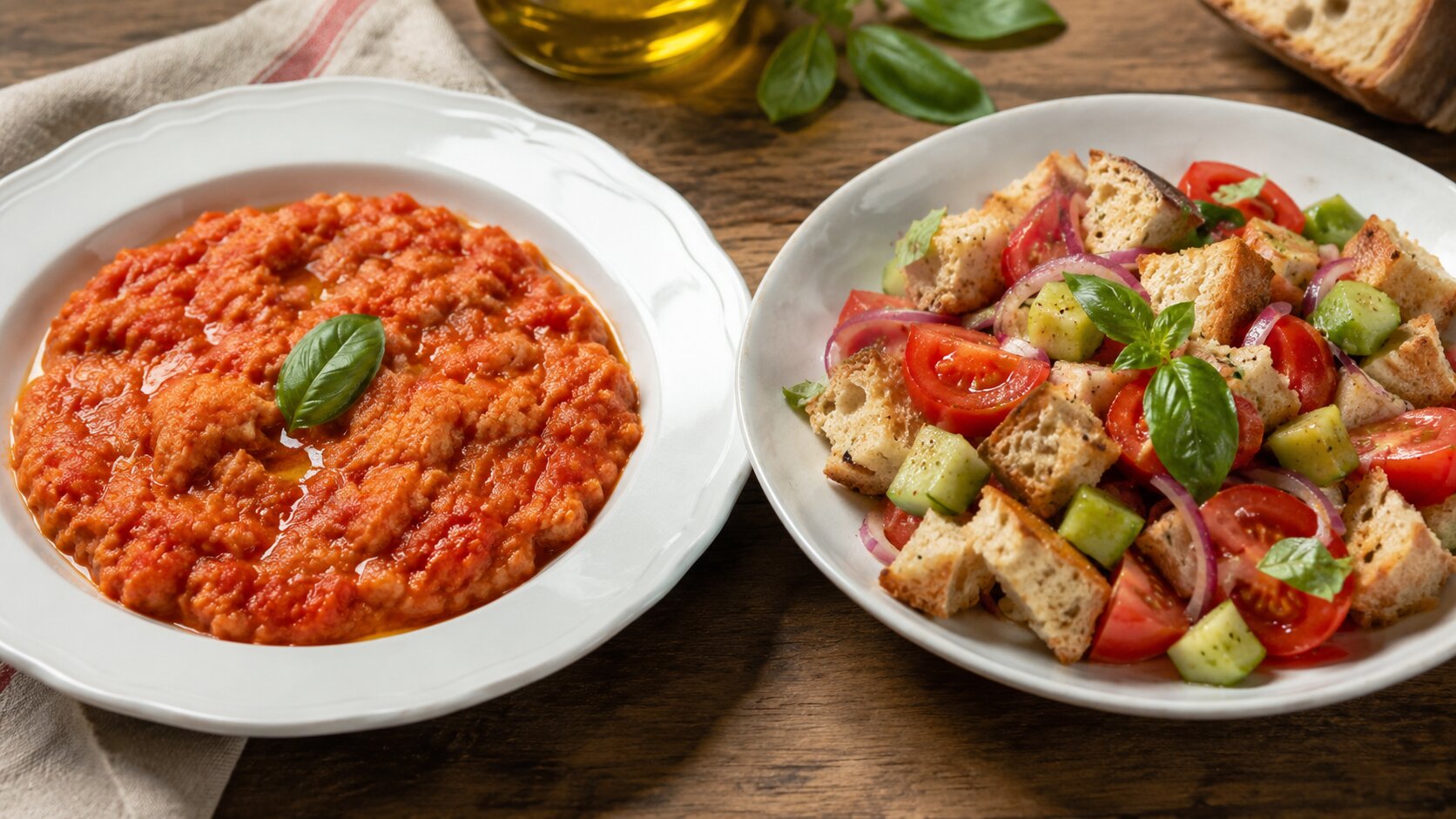
Pappa al pomodoro takes the same unsalted bread and pairs it with ripe tomatoes, garlic, basil, and olive oil. It all cooks down into a thick, almost porridge-like soup. Because the bread carries no salt of its own, the tomatoes and oil get to lead. Nothing competes.
Panzanella works the same bread differently. It gets torn and soaked rather than cooked, then tossed with tomatoes, cucumber, onion, and vinegar into a summer salad. Both dishes rely on stale bread doing structural work, not just filling space on the plate.
Bistecca alla Fiorentina: Restraint at Its Most Literal
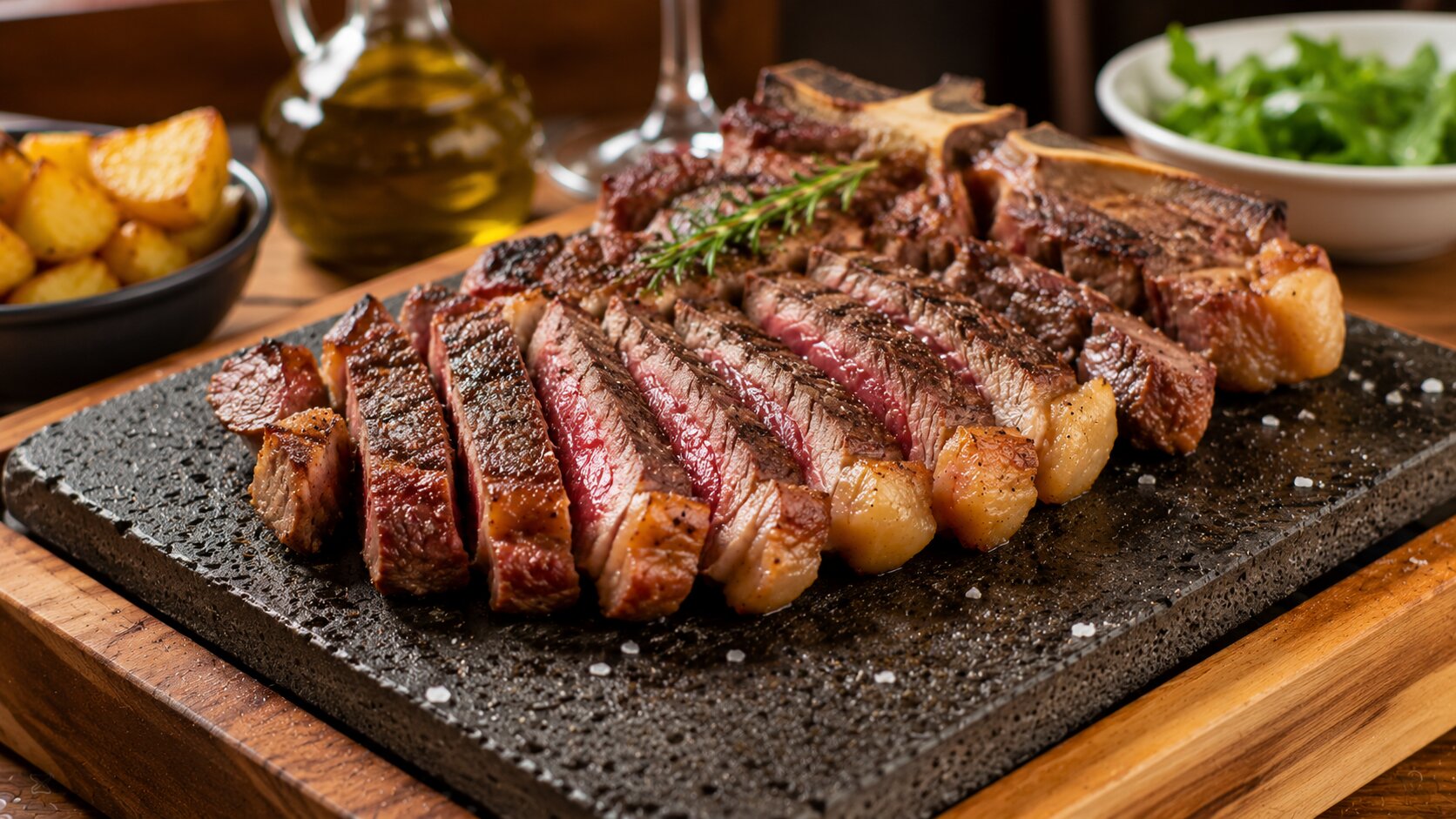
If the soups represent rural Tuscany, bistecca alla Fiorentina represents the opposite instinct. Do as little as possible to an exceptional piece of meat. The steak comes from Chianina cattle. The Roman agricultural writer Columella documented the breed in the Val di Chiana around 55 AD, making it one of the oldest recorded cattle breeds anywhere. Chianina bulls can stand nearly 1.8 meters tall and weigh up to 1,600 kilograms.
A proper bistecca is cut thick, 4 to 6 centimeters, and weighs well over a kilogram. It's meant to be shared between two or three people, not eaten alone. It gets grilled hard and fast over very hot coals, salted, and served rare, with nothing else added. Artusi described it in 1891 as "nothing more than a chop with its bone, a finger or a finger and a half thick." The technique hasn't changed much.
Pici: Pasta Without a Machine
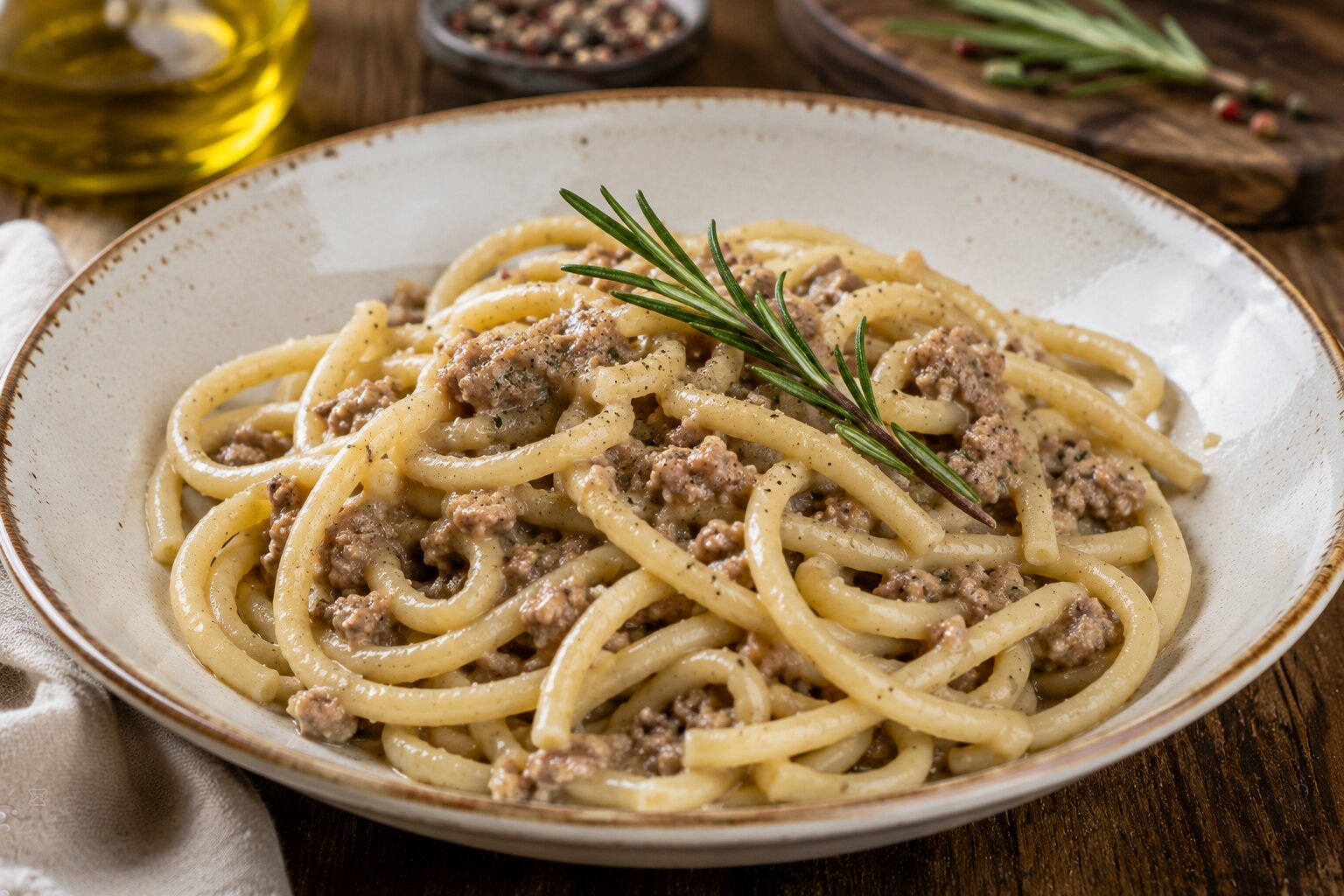
Pici comes from the province of Siena, where it's sometimes called pici senesi, or pinci around Montalcino. It's made from just flour and water, rolled by hand into long, thick, deliberately uneven strands. Think fat spaghetti, not anything delicate. The name likely comes from the Tuscan dialect verb appiciare, meaning to stretch or pull the dough into shape.
In the Val di Chiana, pici traditionally comes dressed in aglione sauce. It's made from a variety of garlic so mild and oversized that its cloves can be the size of walnuts. Elsewhere, breadcrumbs toasted in olive oil serve the same purpose that grated cheese might elsewhere. Either way, the sauce stays modest. The pasta itself, and its uneven, sauce-catching texture, is the point.
Pecorino Toscano and the Weight of a Cheese Wheel
Pecorino Toscano earned Protected Designation of Origin status from the European Union in 1996. Sheep farming and cheesemaking in the region go back much further, to Etruscan and Roman times. Pliny the Elder wrote about a Tuscan sheep's milk cheese he called "Lunense" in the first century AD. By the 15th century, writers were calling it Marzolino, after the March grazing season when production traditionally began.
Fresh pecorino ages for a minimum of 20 days and eats soft and mild. The aged version, stagionato, needs at least 120 days and develops a firmer, sharper character. Both versions show up constantly across a Tuscan table. Fresh fruit, a drizzle of local honey, grated over pici, or simply sliced alongside unsalted bread — pecorino fits everywhere.
Cured Meats, Crostini, and the End of the Meal
Long before refrigeration, Tuscan households cured meat to make it last through the year. Salumi like finocchiona and prosciutto Toscano turned from necessity into tradition. They're still sliced thin and served alongside bread, olives, and pecorino, rather than as a dish on their own.
Crostini toscani open a meal the same modest way. Toasted bread gets topped with chicken liver pâté, olive oil, or whatever the season offers. And when the meal winds down, cantucci, the crisp almond biscuits, get dipped into a glass of Vin Santo. Nobody rushes this part. The dessert exists as much to keep the table talking as it does to satisfy a sweet tooth.
Tasting the Philosophy, Not Just the Dishes
Reading about ribollita or bistecca only gets you so far. The clearest way to understand this cuisine is to see where it comes from. A market stall. A farmhouse kitchen. A chef showing you how much pressure it actually takes to roll pici by hand. Picture a cooking class built around a morning at Florence's historic market. That's followed by an afternoon making fresh pasta and a ragù from vegetables picked that same day at a countryside estate. It turns these ideas from theory into something you've actually done yourself. Our guide to Tuscan cooking classes with local chefs covers how these hands-on experiences work and what they typically include.
Traditional Tuscan food was never about abundance. It was about proportion. Bread that supports instead of competing. Oil that enhances instead of masking. Meat treated with just enough intervention to let its quality show through. Long after specific recipes fade from memory, that underlying discipline is usually what travelers remember most.