In this post
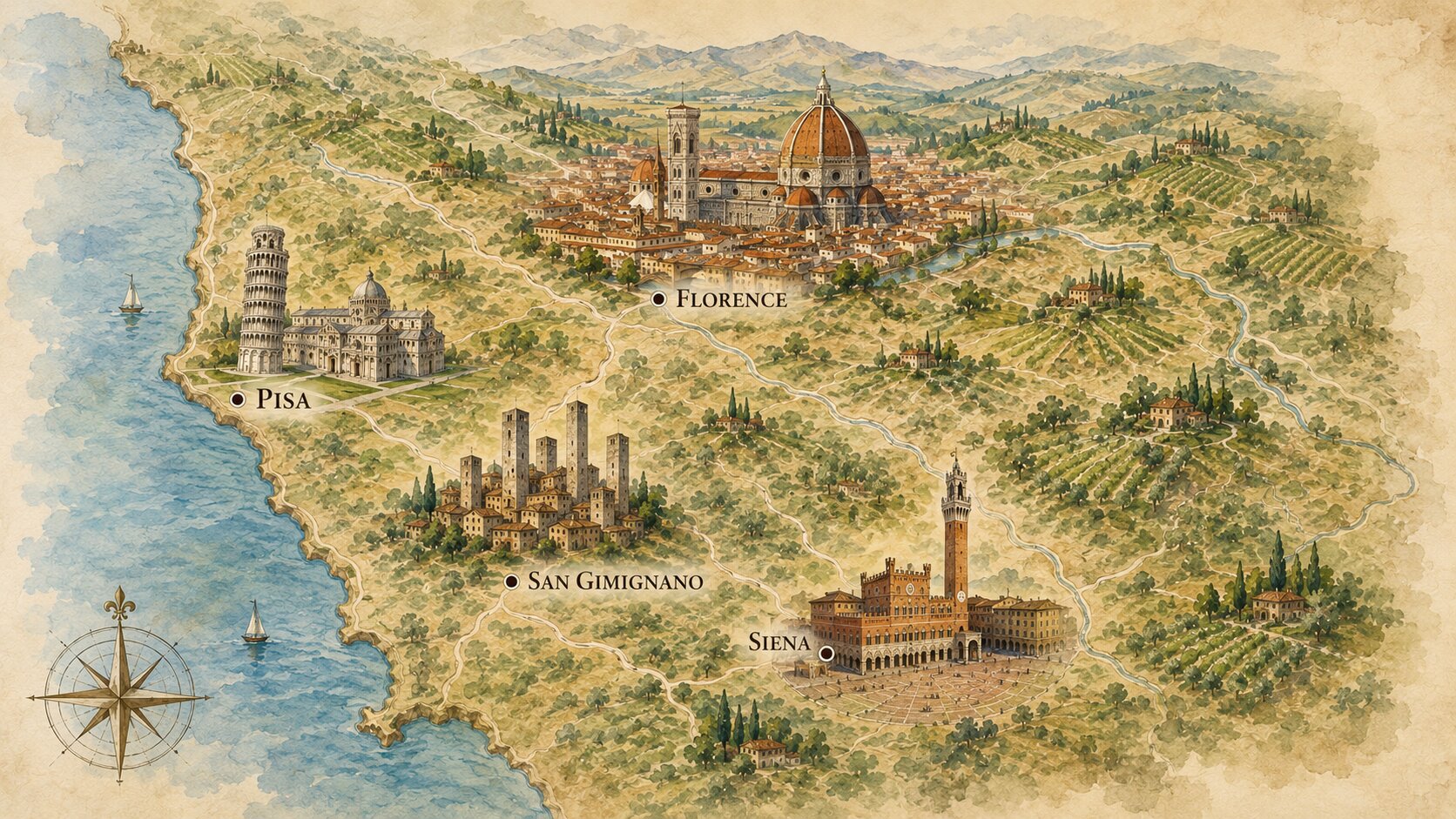
Travelers with only a few days in Tuscany usually get the same endless lists of "must-see" towns. The problem isn't a shortage of options. It's the risk of seeing everything and understanding very little. Florence, Siena, San Gimignano, and Pisa each tell a different story about the region. Knowing the specifics of each one helps build an itinerary with real purpose, instead of a string of photo stops.
Florence: the Renaissance at street level
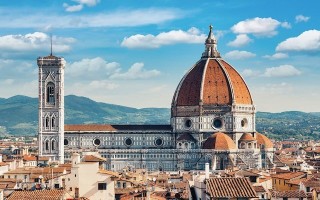
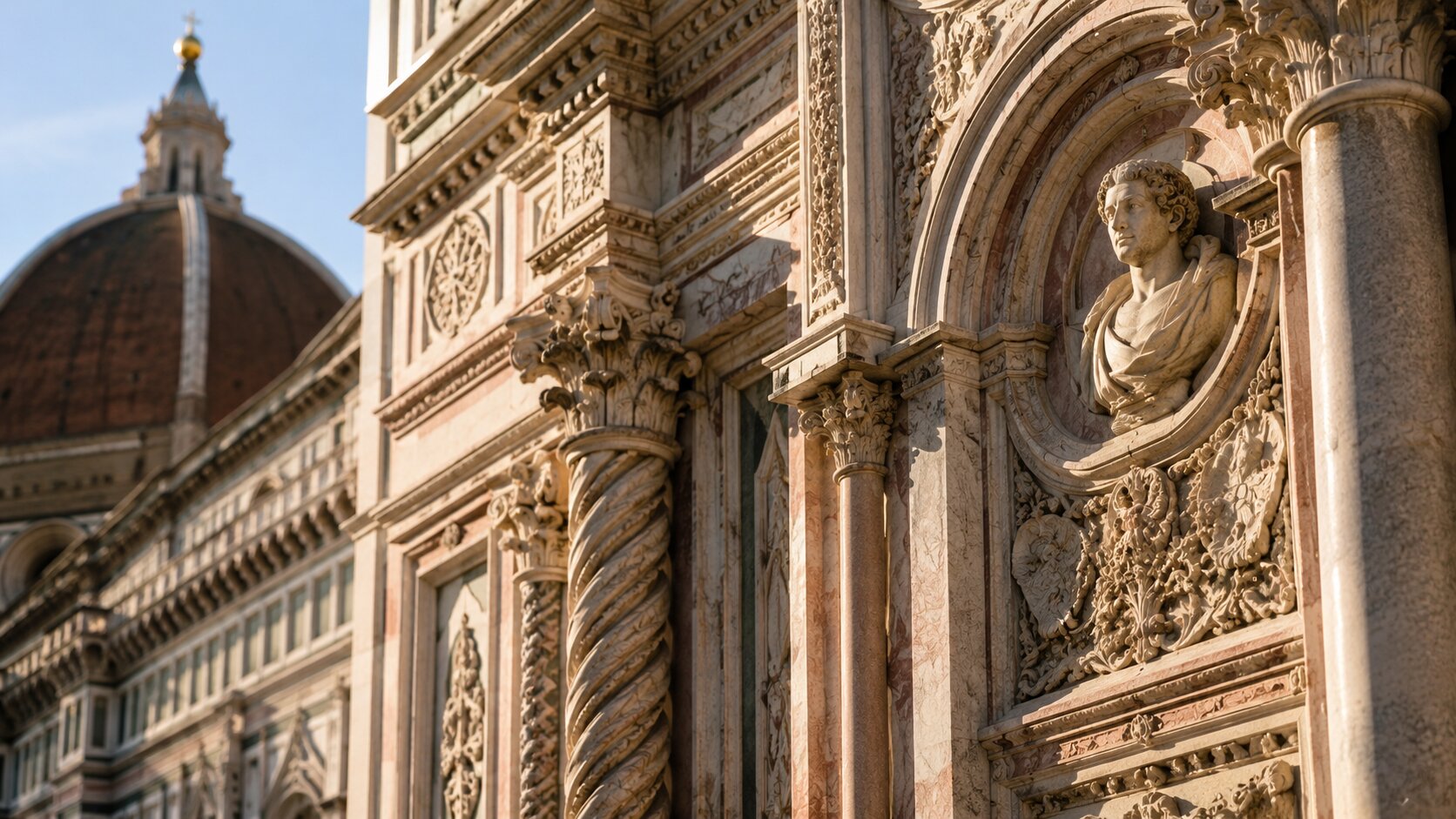
Filippo Brunelleschi designed the Duomo's dome and finished it in 1436. It's still the largest brick dome ever built. That fact alone explains why people considered the project nearly impossible at the time. Nearby, Lorenzo Ghiberti spent 27 years sculpting the Baptistery doors, working from 1425 to 1452. Michelangelo reportedly called them the "Gates of Paradise."
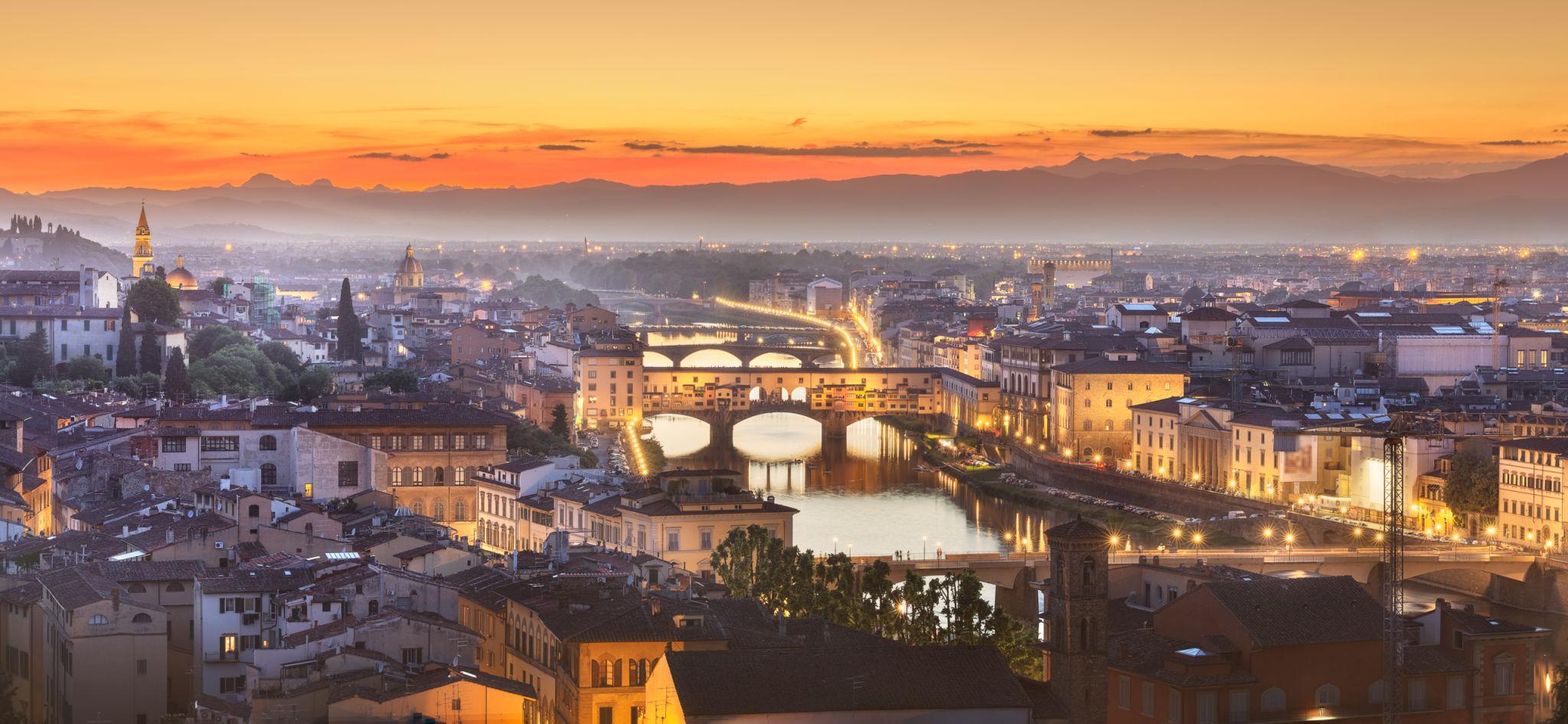
At the Uffizi, you'll find Botticelli's Birth of Venus in Room 12. The first half hour after opening (8:15 am) draws noticeably fewer crowds than early afternoon. For a quieter morning, cross Ponte Vecchio right after sunrise, while the goldsmiths are still raising their shutters. Or head to the Mercato di San Lorenzo for a panino with lampredotto. It's the Florentine street-food classic made from the fourth stomach of the cow. Ponte Vecchio also carries a wartime story worth knowing. On the night of August 3-4, 1944, retreating German forces blew up every bridge in Florence except this one. Hitler reportedly gave the order himself, since he considered the bridge too beautiful to destroy.
Deciding whether to leave the city for a day is itself part of planning a Florence trip well. Our guide on whether a Florence day trip is worth leaving the city for breaks it down. It explains when a day trip adds context, instead of taking time away from the city.
Siena: a city built around the Palio
Siena spreads across three hills, and you feel it the moment you start walking. The streets are never flat, and every so often the view opens suddenly onto the countryside. Piazza del Campo is shell-shaped and slopes down toward the Palazzo Pubblico, dropping roughly nine meters. Builders designed it that way in the 1300s, turning the square into a natural amphitheater for public gatherings.
Twice a year, on July 2 and August 16, the square hosts the Palio. This horse race lasts barely 90 seconds. Yet residents spend months preparing for it, with propitiatory dinners and blessings of the horses inside the churches. Siena has seventeen contrade, or historic wards, but only ten race each time. The square simply isn't wide enough to fit more horses safely. The seven that sat out the previous race qualify automatically, and organizers choose the remaining three by lottery. The Duomo hides a detail many visitors miss beneath its black-and-white striped marble facade. Its floor holds 56 inlaid marble panels, created between the 1300s and 1500s. It stays uncovered only for a few weeks each year, usually from late August through October.
San Gimignano: fourteen towers out of seventy-two
In the Middle Ages, noble families competed to build the tallest tower. San Gimignano ended up with as many as 72 of them. Only fourteen remain today. The tallest, Torre Grossa at 54 meters, is also the only one open to visitors. It offers a 360-degree view over the hills of the Val d'Elsa and the Vernaccia vineyards. This white wine has carried the town's name since 1966. That year, it became the first in Italy to receive DOC status. It later earned an upgrade to DOCG in 1993, and it remains Tuscany's only white DOCG.
The town's compact, frozen-in-time feel is partly an accident of history. The Black Death swept through in 1348 and killed off a large share of the population. San Gimignano never regained the commercial importance it once had along the Via Francigena pilgrim route. That decline is largely why so much of its medieval skyline survived untouched, instead of getting rebuilt.
You can cross the historic center on foot in about 20 minutes, and that's both its strength and its challenge. During the middle of the day, especially between May and September, the main streets get crowded with organized groups. Arrive before 9:30 am or after 5 pm. You'll see the towers against the sky without the crush of tour buses.
Choosing between the two towns comes up often enough that it deserves its own answer. Our comparison of Siena vs San Gimignano looks at how each one offers a different way into medieval Tuscany.
Pisa: far more than the Leaning Tower
The Leaning Tower of Pisa now tilts by about 3.9 degrees. Before 2001, when engineers finished stabilization works, it leaned nearly 5.5 degrees. That project straightened the tower by roughly 40 centimeters, securing it for centuries to come.
But Piazza dei Miracoli isn't only about the tower. The Baptistery, the largest in Italy at 54.86 meters tall, has a striking acoustic quirk. Stand at its center and sing a low note. You'll hear the echo carry for several seconds — guides still demonstrate this to visitors today. The Camposanto Monumentale, the historic cemetery that closes off the square, once held 14th-century frescoes. A bombing raid largely damaged them in 1944. Restorers have since brought them back and put them on display in the adjoining museum. A short walk from the square sits the University of Pisa. Founded in 1343, it's one of the oldest in Europe. A young Galileo Galilei enrolled there as a medical student before switching to mathematics. In 1589, he became a professor there himself.
How to choose without overloading the trip
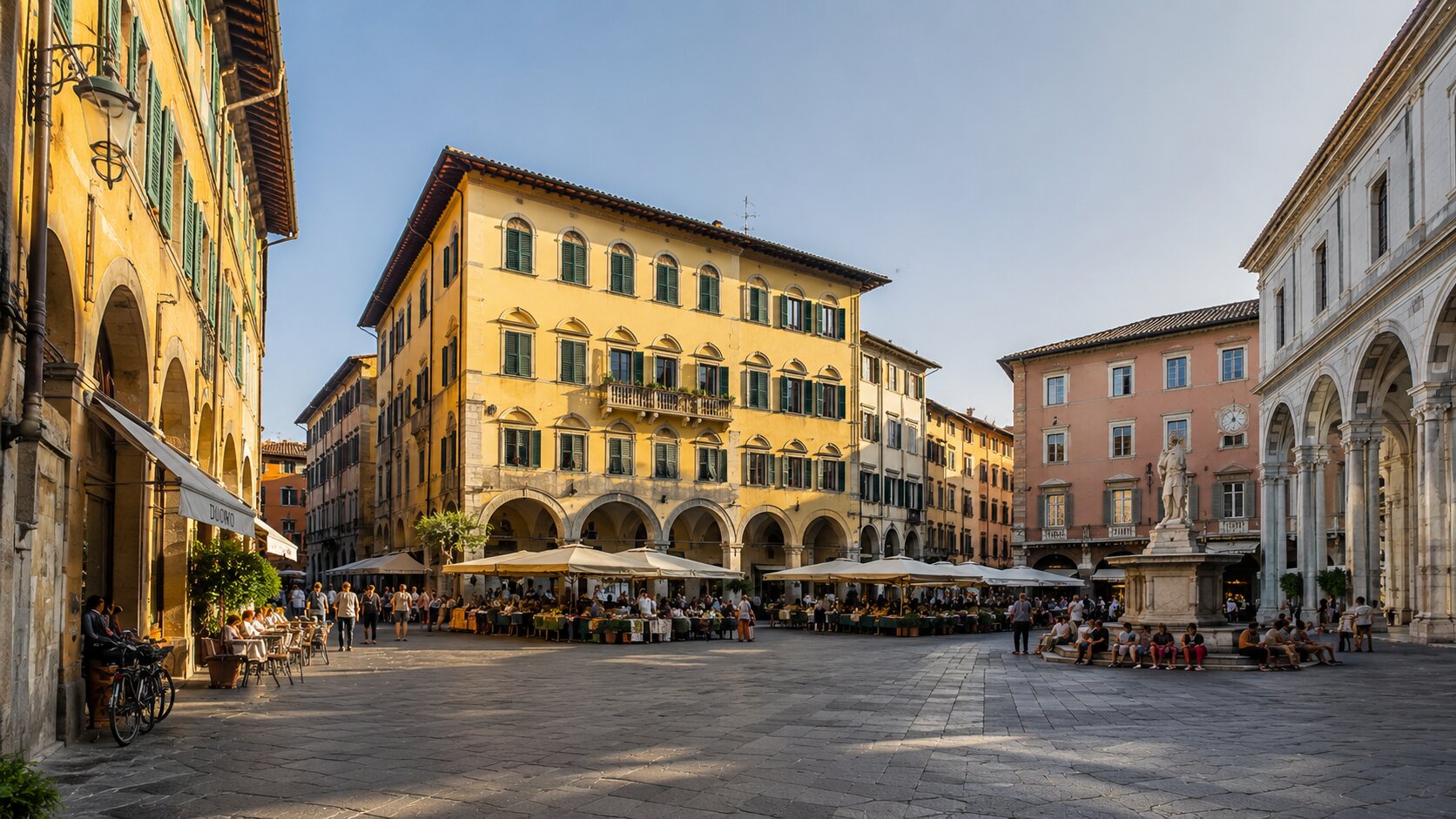
With just one day available, the most effective approach is to lean into contrast. Pair a dense art city like Florence with something completely different. The Chianti countryside or a medieval hill town both work well. With two or three days, dedicate one day to Florence. Give another to hill towns and wine country, and a third to a place with strong architectural impact, like Pisa. The towns sit close together on a map, which makes it tempting to string all four together in a single day. In practice, traffic, parking near each historic center, and the sheer number of turns on Tuscany's back roads eat up more time than the distances suggest — one more reason travelers tend to enjoy the day more with someone else doing the driving and the route planning.
The real mistake is assuming that more stops make the trip richer. Florence needs time to be understood properly. Siena reveals itself best when you explore it without rushing. San Gimignano rewards those who pick the right hour. And Pisa delivers the most when you don't reduce it to a quick photo. Generic lists won't do that. Knowing these concrete details is what turns an ordinary itinerary into a trip worth remembering.