In this post
- Pick One Priority Before Anything Else
- The Route That Already Exists
- Some Visits Need More Than a Glance
- Let a Guide Handle the Logistics
- Leave Room for the Unplanned
- Think in Neighborhoods, Not a Checklist
- One Day Is an Introduction, Not a Verdict
- When a Guided Day Makes the Most Sense
- See More by Doing Less
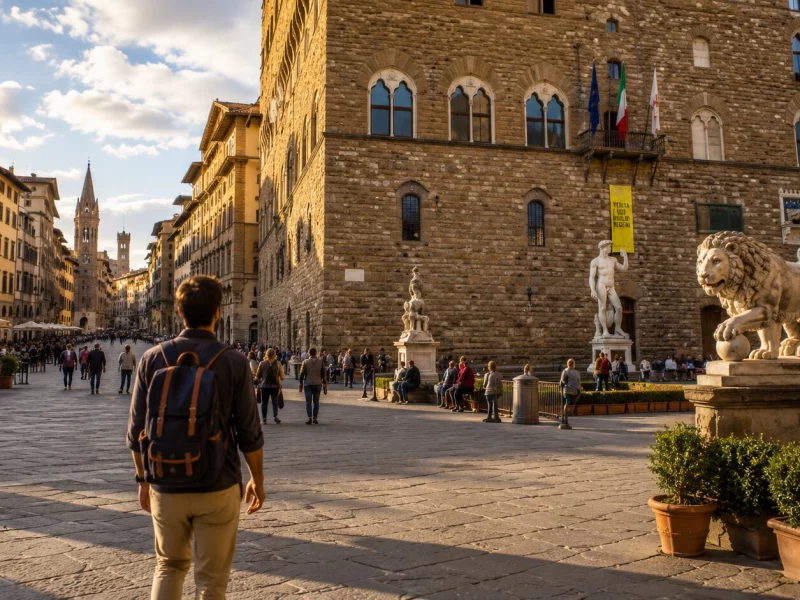
Florence's landmarks sit close enough together to trick you into thinking one day is plenty to see all of them. It isn't, not really. The real skill in a one-day visit isn't deciding what to see. It's deciding what to let go of. Then building the rest of the day around a route that actually makes sense together.
Pick One Priority Before Anything Else
Most itineraries start with a map covered in pins: the Duomo, the Uffizi, Ponte Vecchio, David, Santa Croce, Piazzale Michelangelo. Individually, every choice is reasonable. Together, they build a day driven by anxiety rather than curiosity. A better starting question is simpler: what's the one thing that would actually disappoint you to miss? Once that's decided, everything else gets built around it, instead of everything competing for the same few hours.
The Route That Already Exists
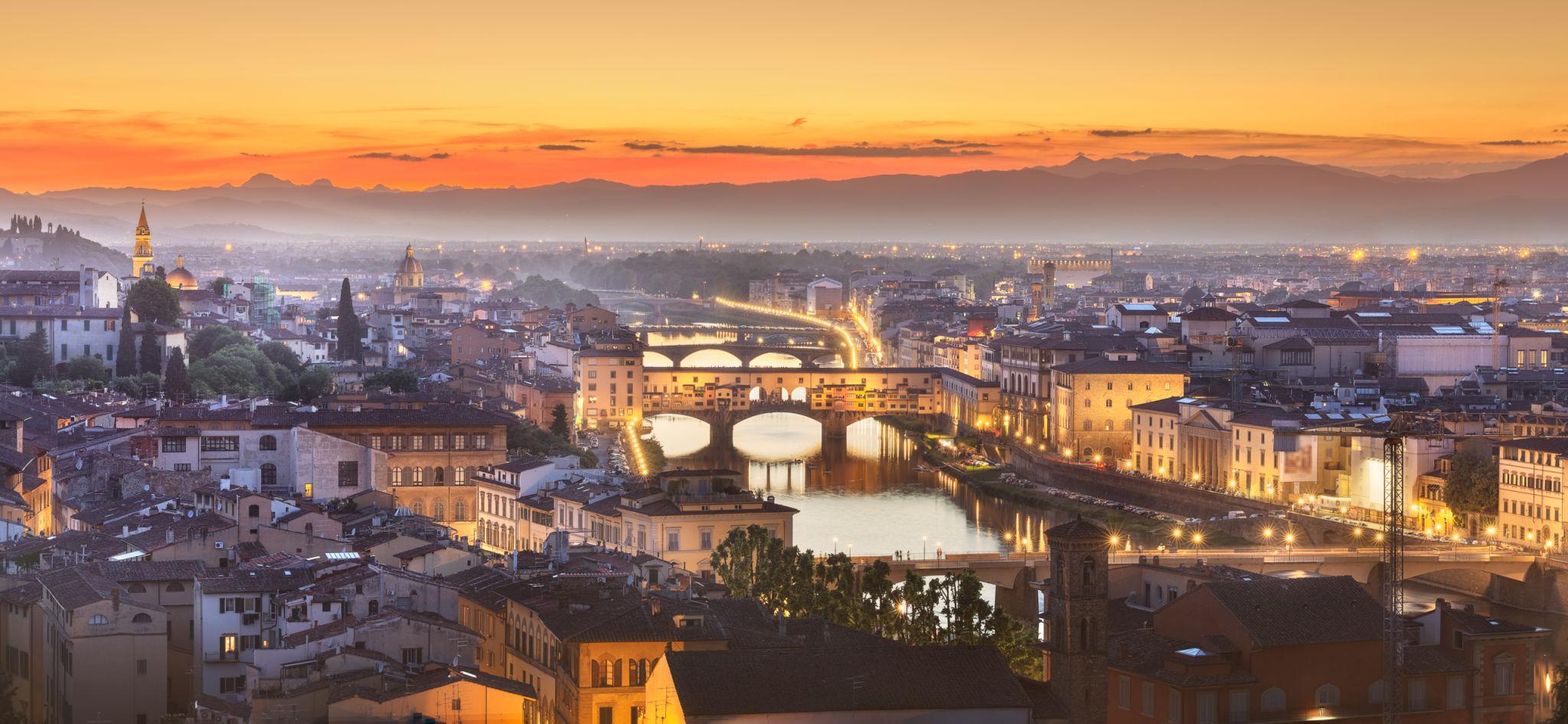
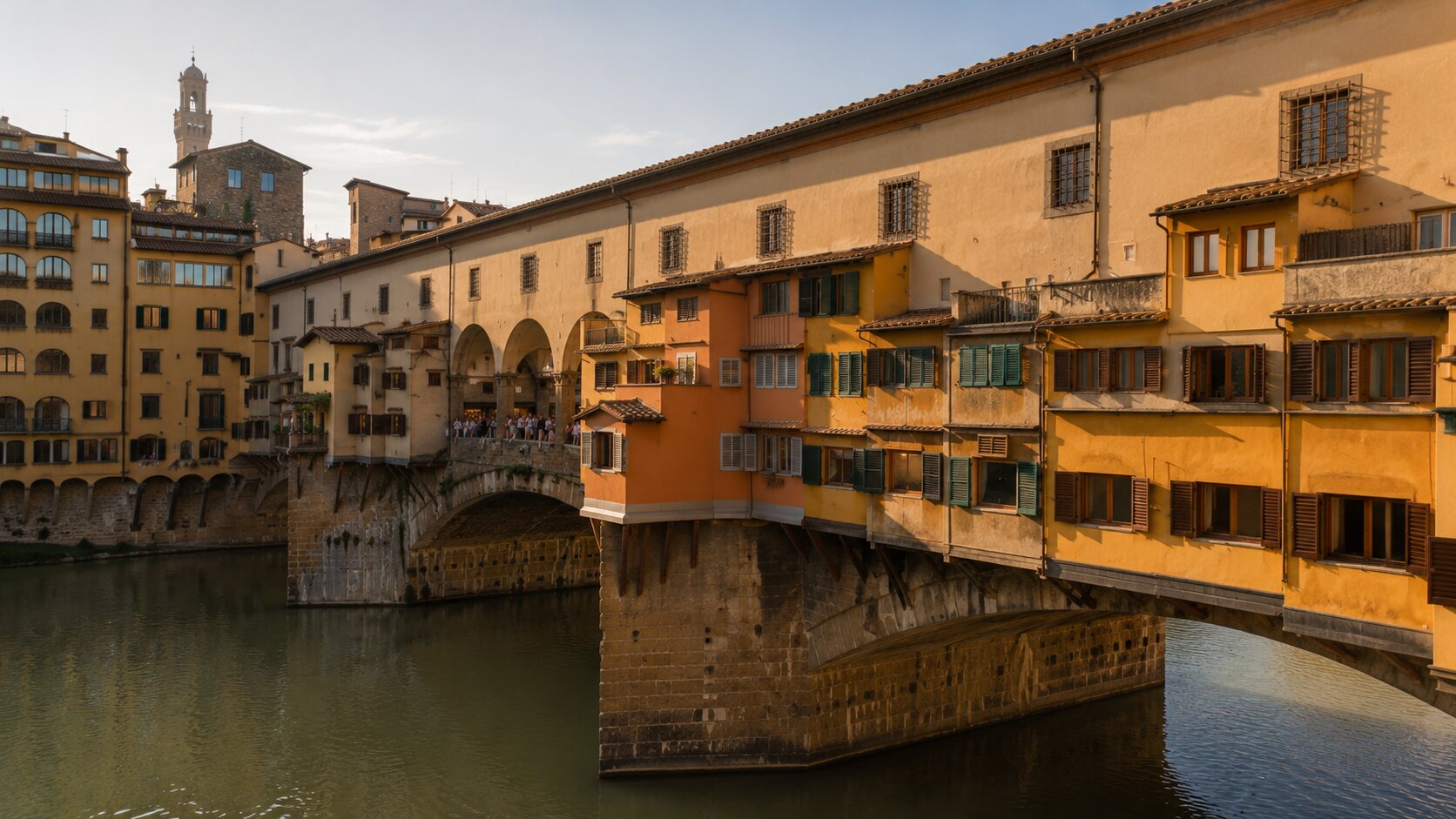
Florence's historic center wasn't designed for tourism. But it does have a genuine spine running through it, and it's older than most visitors realize. In 1565, Cosimo I de' Medici commissioned architect Giorgio Vasari to build an elevated private passage. It connected the Palazzo Vecchio to the Medici's new residence across the river, the Palazzo Pitti. Vasari finished it in five months. That was in time for the wedding of Cosimo's son Francesco to Joanna of Austria that December. The nearly kilometer-long corridor still runs above the Uffizi. It crosses the top of Ponte Vecchio and continues through the church of Santa Felicita on the other side.
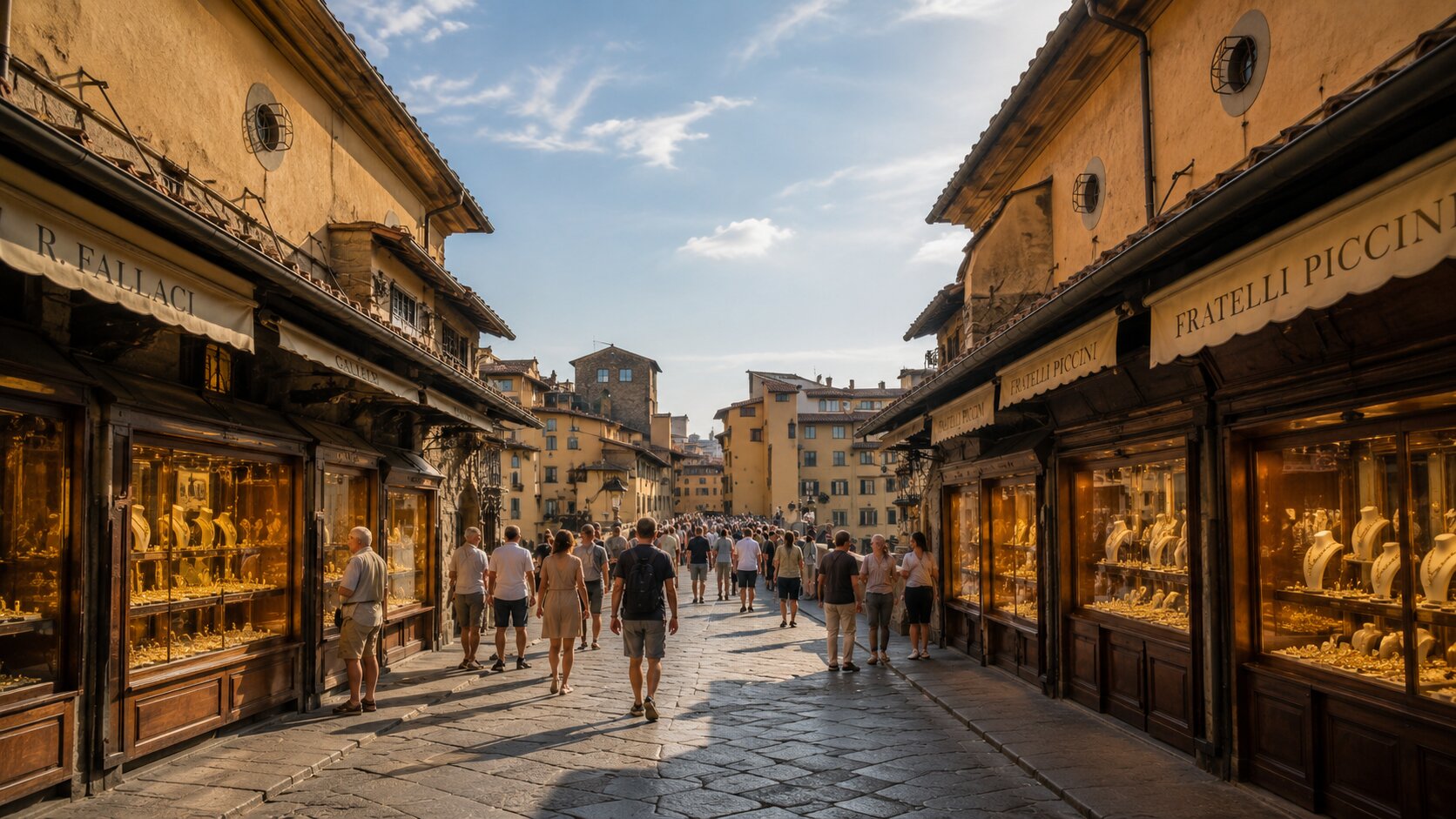
Its construction changed Ponte Vecchio permanently. The bridge had housed butchers and tanners since the 14th century. The smell rising into the new corridor became unbearable to the Medici. By 1593, Grand Duke Ferdinando I expelled them and installed goldsmiths instead. That decree is still in effect, which is why the bridge is lined with jewelry shops rather than meat stalls today. One family, the Mannelli, refused to let their medieval tower be demolished for the route. Vasari simply built the corridor around it instead, a detour still visible at the bridge's southern end.
That's the real logic behind the classic Florence walking route: Duomo, Piazza della Signoria, Ponte Vecchio, Oltrarno. It isn't an arbitrary tourist path. It roughly follows the same corridor a Medici duke built for exactly one purpose: moving through the city without mixing with anyone in it.
Some Visits Need More Than a Glance
Certain interior visits resist being treated as quick stops. The Uffizi holds one of the world's great Renaissance collections. Giving it real attention takes real time, not a walk-through between two other landmarks. The same goes for the Accademia, Brunelleschi's dome, and Palazzo Pitti. Trying to fit all of them into the same day usually means doing none of them justice.
Choosing one, and actually giving it the time it deserves, tends to produce a far richer day than skimming four. What gets left off the list often matters less than what gets genuinely absorbed from the list you kept.
Let a Guide Handle the Logistics
The biggest time loss in a single Florence day rarely comes from walking too slowly. It comes from standing still. Working out which entrance to use. Discovering a preferred time slot is gone. Not knowing which of two nearby sights is worth the wait and which isn't. None of that adds to the experience. It just eats the hours you actually came for.
A guide who already knows the rhythm of each piazza, each museum, each queue, removes that friction before it starts. Instead of spending part of a limited day untangling logistics, the day can go straight to actually experiencing the city.
Leave Room for the Unplanned
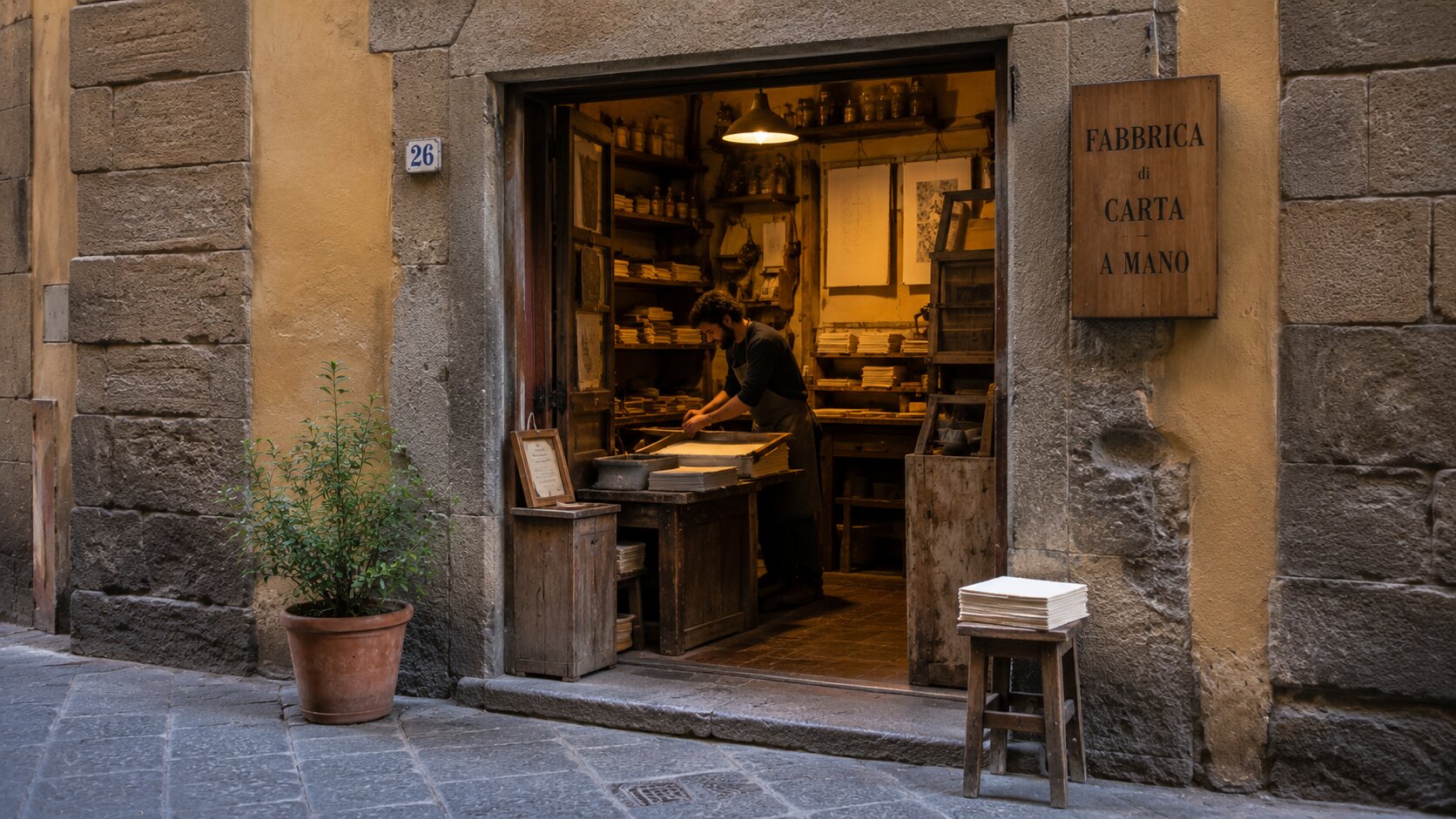
Some of Florence's best moments never make it onto an itinerary. Music drifting through a quiet square. An artisan workshop with its door open. A coffee stop that turns into the memory you keep longest. None of that survives a schedule packed minute to minute. A one-day itinerary that leaves a little slack tends to outperform one engineered to the last detail.
Think in Neighborhoods, Not a Checklist
Rather than treating the Duomo, Piazza della Signoria, Ponte Vecchio, and the Oltrarno as separate stops, think of them as chapters meant to connect. They follow that same Medici-era route above the city. The Duomo introduces Florence's religious and artistic ambition. Piazza della Signoria shows civic power. Crossing Ponte Vecchio marks the shift into the Oltrarno's quieter, more working-class atmosphere. Follow that natural order, instead of bouncing back and forth chasing individual landmarks. It cuts out most of the backtracking that eats into a short day.
One Day Is an Introduction, Not a Verdict
No single day covers every church, museum, and quiet corner that makes Florence worth returning to. That's not really a flaw. Florence rewards repeat visits precisely because each one can go somewhere the last one didn't. Our guide to how many days you need in Florence covers what two or three days add that one simply can't, for a broader look at how additional days change the experience.
When a Guided Day Makes the Most Sense
Independent travel offers real flexibility, and plenty of visitors enjoy building their own route. But a single day leaves almost no room for wasted time. Every wrong turn or uncertain decision eats into hours that don't come back. Our guide to a private Florence tour for first-time visitors covers how a structured day turns a rushed itinerary into something considerably more relaxed. Useful for anyone visiting for the first time with only one day to work with.
See More by Doing Less
Florence rarely rewards those who try to see everything in a single day. It rewards those who choose carefully, then follow the city's own natural order instead of fighting it. A good one-day itinerary isn't measured by how many landmarks got checked off before sunset. It's measured by whether the day held together, start to finish, and left you already thinking about the next visit.