In this post
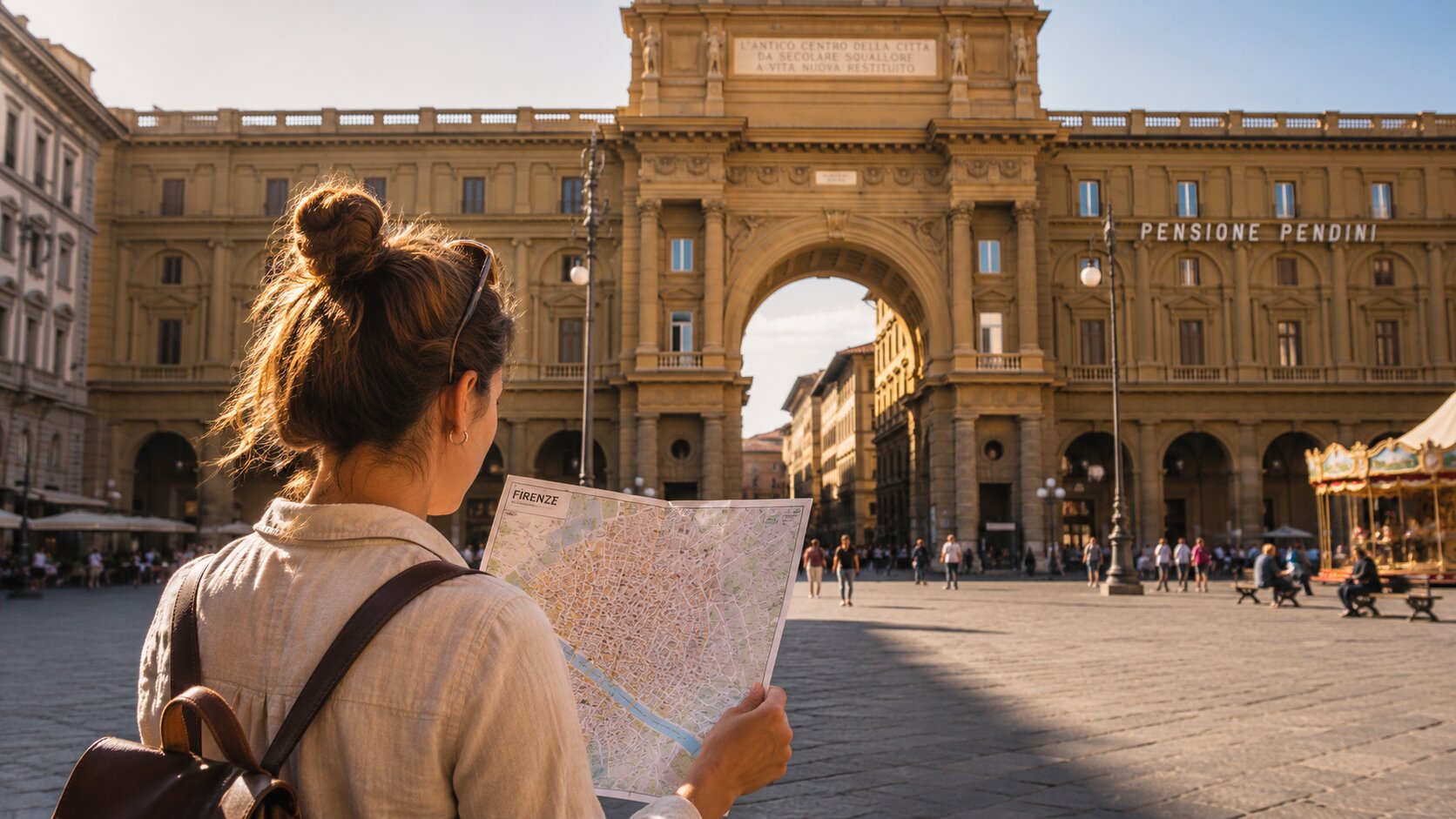
"How many days do you need in Florence?" is one of the most common questions travelers ask before a trip. Most guides answer with a single number. The honest answer depends on how you like to travel, not just on how many landmarks the city has.
Why Florence Feels Bigger on Paper Than in Reality
A list of Florence's landmarks looks daunting: the Duomo, Ponte Vecchio, Piazza della Signoria, Santa Croce, Palazzo Pitti, the Uffizi, the Accademia. On a map, these look like separate destinations. Each one seems to demand its own trip across the city.
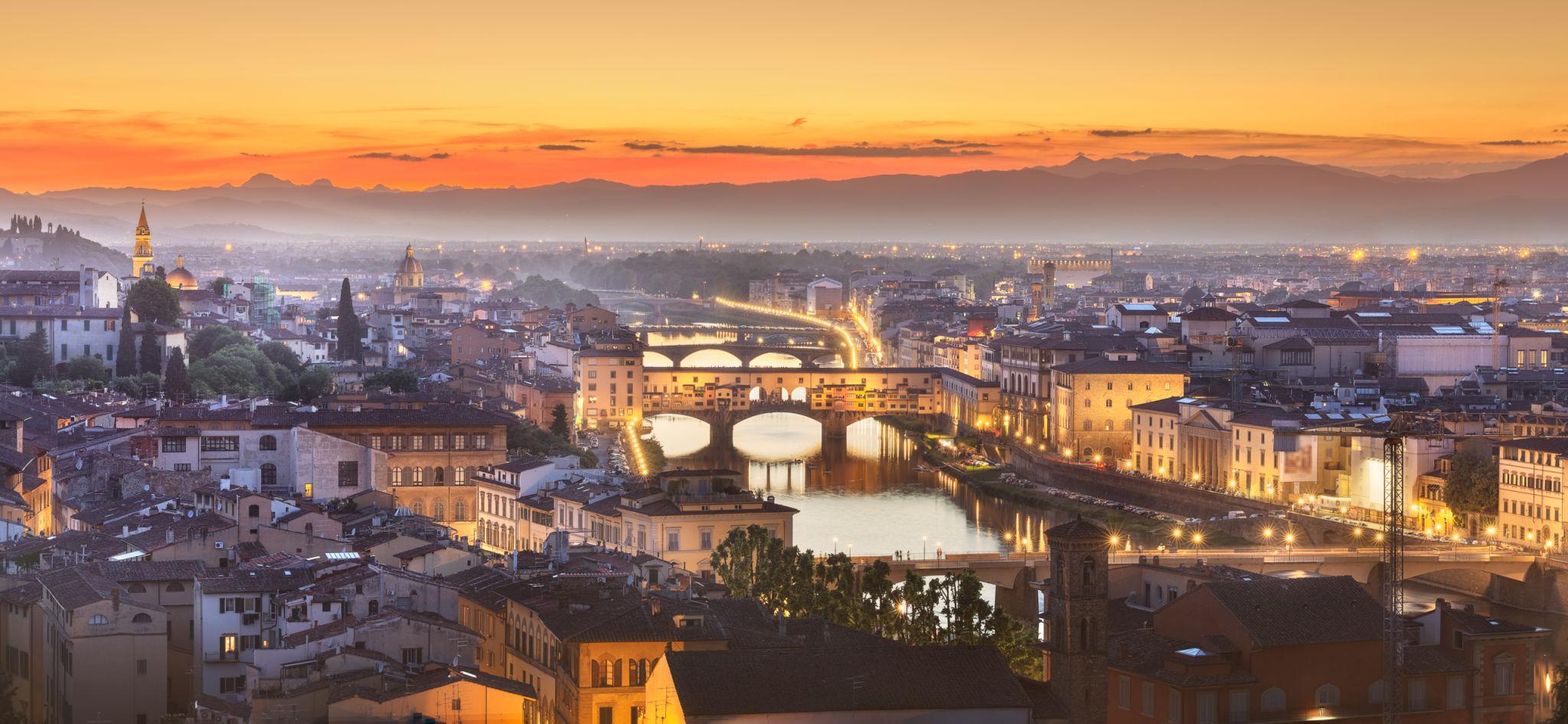
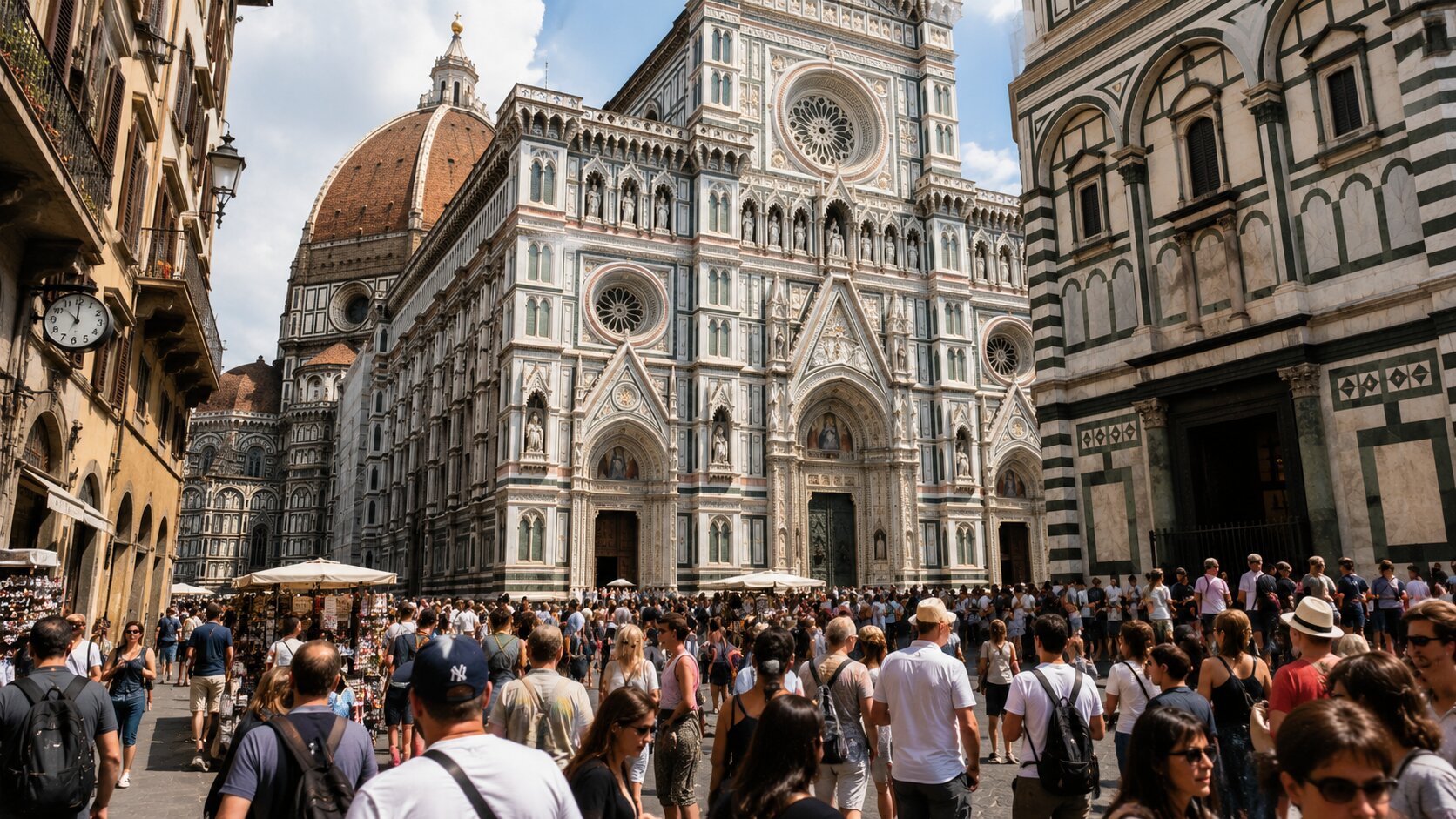
In practice, they sit close together. The Duomo, Piazza della Signoria, Ponte Vecchio, and the Uffizi are all a short walk from one another, and even Piazzale Michelangelo, which looks like a separate excursion on a map, isn't far at all. Cross five "destinations" off a map, and the actual walking barely eats into the day.
That compactness is one of Florence's biggest advantages. Time spent moving between sights stays low, which leaves more of the day for actually looking at them. But compact doesn't mean simple. The Uffizi alone rewards at least two hours inside. The historic center packs centuries of political and religious rivalry into just a few square kilometers. Deciding how long to stay means weighing that density against how much of it you actually want to absorb.
Is One Day in Florence Enough?
One day is enough to understand why millions of people visit Florence every year. Walk the route from the Duomo to Piazza della Signoria to Ponte Vecchio. Spend an hour or two inside one major museum. You'll still have time for lunch in the Oltrarno.
What one day can't give you is much breathing room. Say you want both the Uffizi and the Accademia, to see Michelangelo's David. The Uffizi alone needs two hours minimum, and getting between the two museums and past the lines eats into the day fast. A one-day visit forces real choices. One major museum, not two. A shorter dome climb instead of a longer palace tour.
For a first visit with limited time, that focus can still work well. Travelers weighing their first day in the city may find our guide to a private Florence tour for first-time visitors useful for deciding what to prioritize.
What Changes When You Have Two Days?
A second day doesn't just add more sights. It removes the pressure to see everything on day one. You can split the two major museums across two mornings instead of rushing through both in an afternoon. Lunch stops being something to squeeze in between stops.
Two days also gives you enough slack to fit in the Duomo dome climb without it dictating the rest of your schedule. The climb runs about 45 minutes to an hour once you're inside, and lines build up fast after mid-morning — the kind of timing a local guide plans around automatically. With a single day, that hour has to compete directly with everything else. With two, it becomes one pleasant stop among several, rather than the thing the whole day gets planned around.
This is also when the Oltrarno becomes realistic to explore properly. It's the quieter district across the river from the historic center, and most visitors just pass through it on the way to Piazzale Michelangelo. Two days is often the point where Florence stops feeling like a list of boxes to check. It starts feeling like a place you're actually walking through.
Three Days: When Florence Starts to Feel Complete
By the third day, the major landmarks are usually behind you. That frees up time for choices based on personal interest rather than obligation. A longer visit to the Bargello for sculpture. An afternoon in the artisan workshops around Santo Spirito. Or simply revisiting a favorite piazza at a quieter hour.
Three days is also enough time to climb Brunelleschi's dome without rushing. The climb covers 463 steps with no elevator, and the lines can be brutal at midday — one more reason it's worth having someone else handle the timing. Fitting that into a one-day itinerary alongside two major museums is possible, but it usually means cutting something else short.
Should You Stay Longer Than Three Days?
Beyond three days, the extra time rarely goes toward more of Florence itself. It usually goes toward Tuscany. Florence works as one of the best bases in Italy for day trips. Chianti, Siena, San Gimignano, and Pisa are all reachable within a few hours' drive.
At that point, a fourth or fifth day isn't really extending your Florence trip. It's expanding it into a Tuscany trip that happens to be based in Florence. Our guide on the best time to visit Tuscany from Florence covers how to plan those extra days. It walks through Chianti's countryside, Siena's history, and Pisa's architecture.
The Biggest Mistake Travelers Make
The most common mistake is turning trip planning into arithmetic. One museum equals two hours. One church equals thirty minutes. Add it all up, and that's supposedly how many days you need. Florence resists that kind of math.
Two unhurried museum visits, with time to actually look at what's inside them, usually leave a stronger impression than four rushed ones. Take a traveler who spends an unhurried afternoon in Piazza della Signoria, just watching how the light changes on Palazzo Vecchio. That afternoon often stays with them longer than a checklist of five churches visited in the same amount of time.
So, How Many Days in Florence Do You Really Need?
For most travelers, two to three days hits the right balance. One day works as a focused introduction — as long as you accept seeing one major museum well, rather than two museums quickly. Two days remove the time pressure. Three days let the city feel less like a destination and more like a place you've actually spent time in.
Beyond three days, the question changes. It's no longer about how much of Florence you can see. It becomes about how much of Tuscany you want to explore from it. Either way, the extra time rarely buys you more landmarks. It buys you a different, less rushed relationship with the ones you've already seen. That's usually what stays with you after the trip ends.
However many days you have, a private guide tends to make each one go further — skipping the guesswork on timing, lines, and routes, and leaving more of the day for the city itself.