In this post
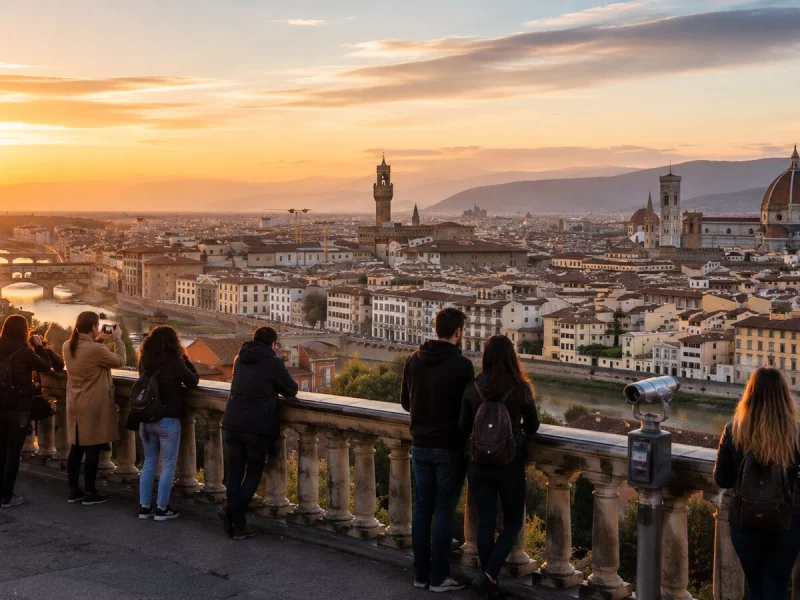
"Best time to visit Florence" doesn't have one answer. It has several, depending on what you actually want out of the trip. A museum-focused traveler and someone chasing long evening walks along the Arno should probably book different months. Even though they're visiting the exact same city.
Best Time for First-Time Visitors
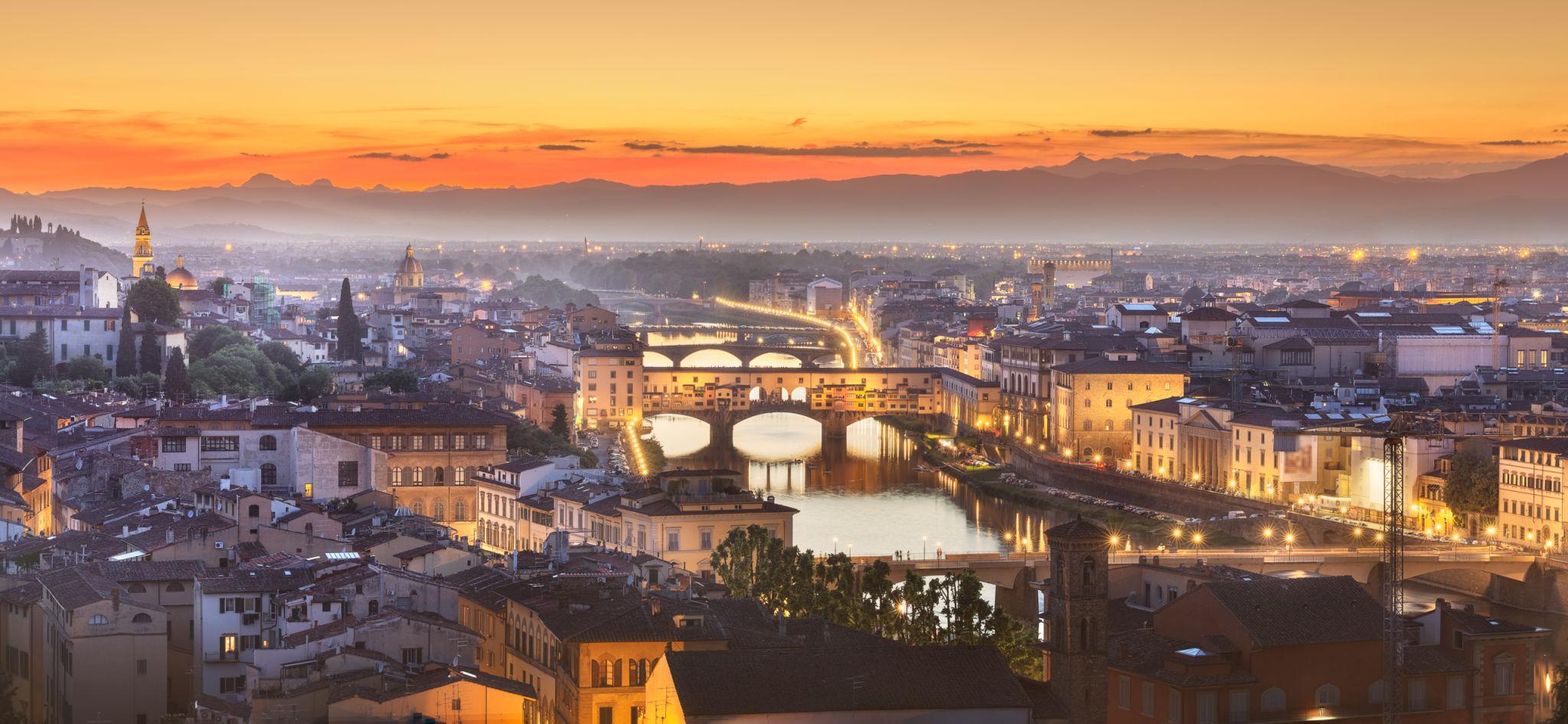
April, May, and late September hit the sweet spot for a first visit. Daytime highs sit around 18-22°C, comfortable enough for hours of walking without the exhaustion that August's 30°C afternoons bring. Daylight stretches to 13-14 hours in May. That gives you real time to move between the Duomo, Ponte Vecchio, and Piazza della Signoria without racing the sunset.
That matters because Florence rewards unhurried movement more than most cities its size. Planning that first walk through the city well is its own skill. Our guide to a private Florence tour for first-time visitors covers how pacing and context change that introduction.
Best Time for Art and Museums
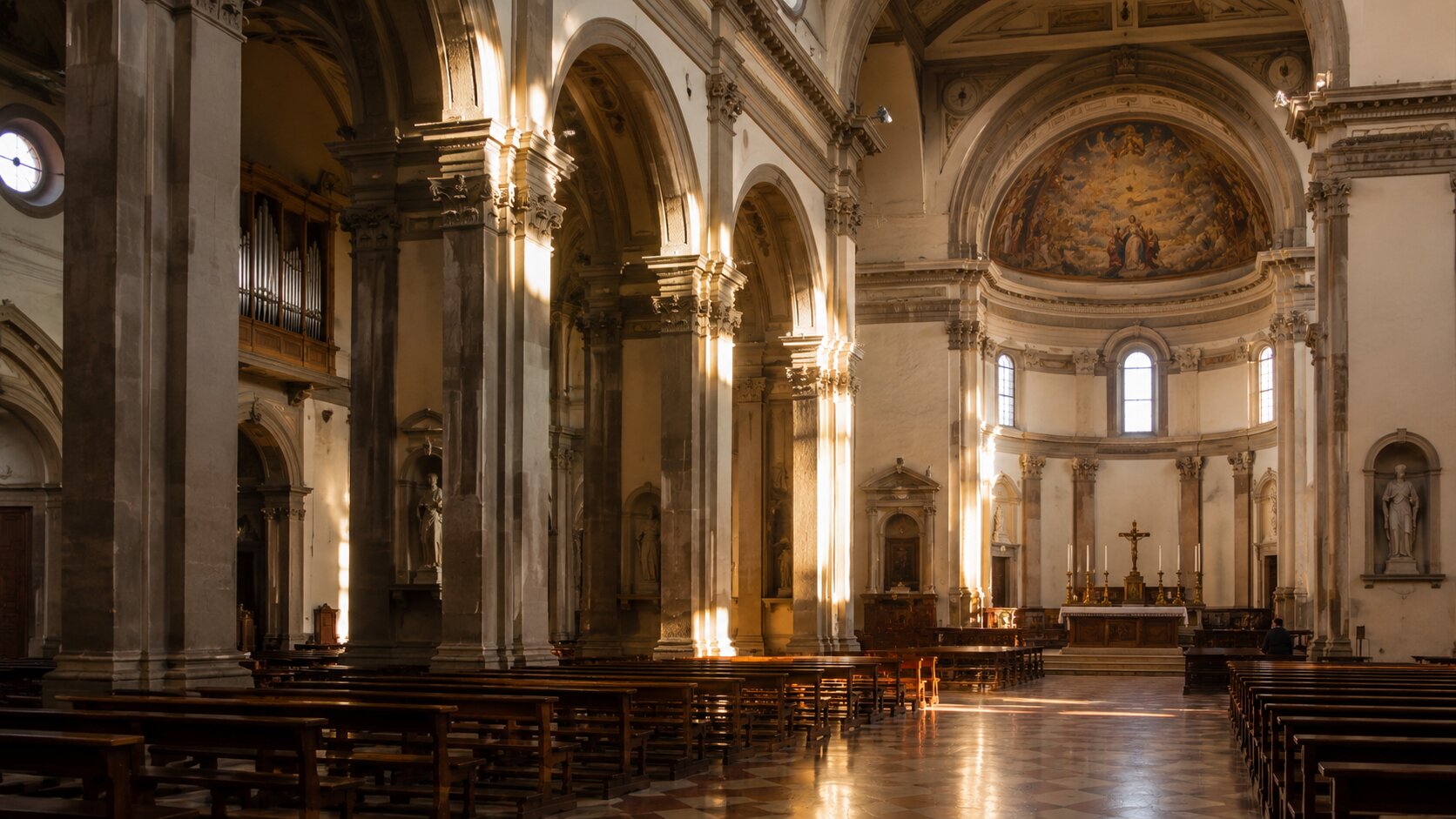
Late autumn through early spring works best if art is the priority. November through February sees Florence's lowest visitor numbers of the year. That translates directly into shorter lines at the Uffizi and the Accademia. Winter days are shorter too, with only 9-10 hours of daylight in December. That pushes more of the day indoors anyway, which suits a museum-heavy itinerary rather than working against it.
A quieter Uffizi changes what you actually get from a visit. Standing in front of Botticelli's Primavera without a crowd behind you is a different experience than doing it in July. The painting itself hasn't changed at all.
Best Time for Walking the Historic Center
April, May, late September, and October offer the most walkable stretch of the year. Rainfall stays relatively low, before November's average climbs to around 100-136mm, the wettest month of the year. Daylight runs 12-14 hours across this window. That's plenty of room for the kind of slow, meandering walk that actually reveals how Florence's neighborhoods connect to each other.
Summer walking works too. But the afternoon heat, regularly above 30°C in July and August, tends to push people indoors or toward shade between roughly 1pm and 5pm. Locals adjust for this without thinking about it, moving errands to the early morning or evening and treating the hottest hours as a natural pause. Visitors who fight that rhythm instead of following it usually end up exhausted by mid-afternoon, no matter how many sights are left on the list. Spring and early autumn simply remove that constraint.
Best Time for Food and Wine
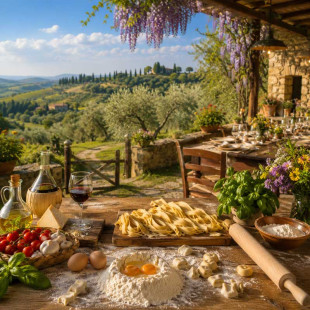
Autumn adds something summer can't. The grape harvest and the start of olive pressing, both happening across the Chianti hills just outside the city. Restaurant menus shift with it, leaning into mushrooms, chestnuts, and the first pressings of new olive oil. Understanding why Tuscan cooking changes this dramatically by season comes down to a broader philosophy about ingredients and timing. Our guide to Tuscan cuisine explainedgoes deeper into that logic.
None of this makes Florence a bad food city the rest of the year. Markets and trattorias run year-round. Autumn just adds a layer summer doesn't. Summer leans more toward tomatoes and long evenings outdoors, a different rhythm entirely.
Best Time for Tuscany Day Trips
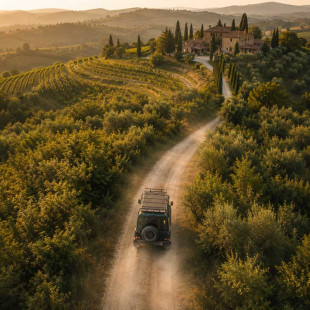
Spring and autumn suit day trips out of Florence better than summer does. Chianti, Siena, San Gimignano, and Pisa are all within a couple of hours' drive. Neither the vineyards nor the hill towns are especially pleasant to walk through at 30°C midday heat, though. Spring brings green countryside and mild temperatures; autumn brings harvest season and warmer light across the hills.
If day trips are central to your plan, timing the city visit and the countryside visit together matters more. Neither works well picked in isolation. Our guide to the best time to visit Tuscany from Florence covers how to structure that combination.
Best Time for Fewer Crowds
January and February are, by a wide margin, Florence's quietest months. Hotel prices drop, museum lines shrink, and the major squares stop feeling like they're at capacity. The trade-off is real. Daylight runs closer to 9-10 hours, and daytime highs hover around 9-11°C — cold enough to need a real coat.
For travelers who've already seen Florence once during a busier season, winter often reveals a completely different city. One where you can actually stand still in Piazza della Signoria without being jostled.
Best Time for Atmosphere
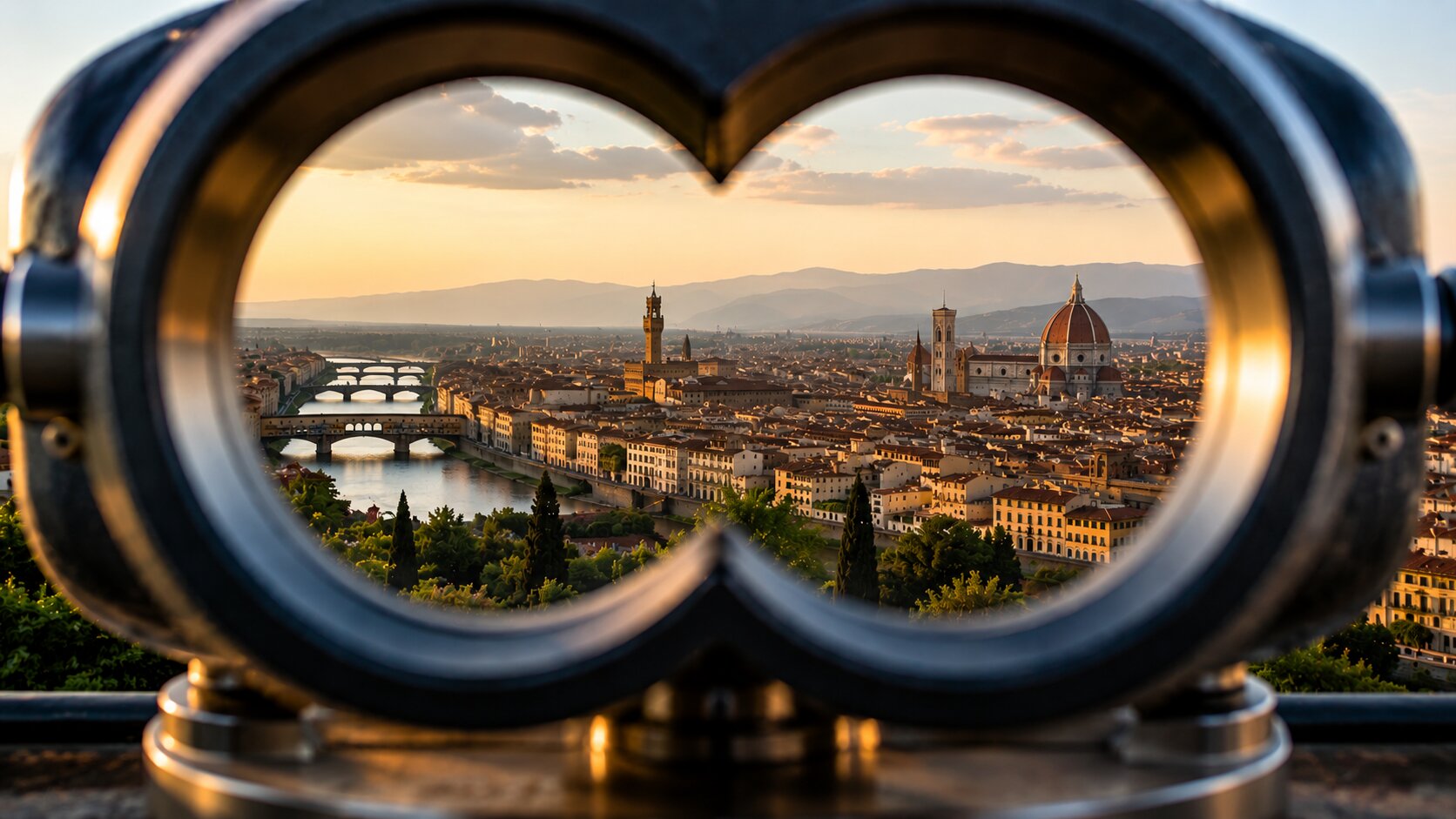
Late spring and early autumn again come out ahead here, but for a different reason. This is when Florence's own calendar of traditions lines up with pleasant weather. Calcio Storico, the historic Florentine ball game played in costume, runs its matches in Piazza Santa Croce every June. The tradition dates back to at least the 16th century. The tournament culminates on June 24, the feast of San Giovanni, Florence's patron saint. Fireworks close out the night, launched from Piazzale Michelangelo over the Arno.
Catch that specific week and you get city life at its most concentrated. Parades, a centuries-old sport, and a fireworks display visible from half the bridges in the city. Outside of festival dates, late spring and early autumn simply offer more outdoor evenings. Longer terrace dinners, softer light on the architecture, none of the heat midsummer brings.
The Mistake Most Travelers Make
Chasing a single "perfect month" is the most common planning mistake. Florence doesn't really have one. A museum-focused traveler does better in February than in June. Someone planning long evening walks probably prefers May. A food and wine traveler might get more out of October. Pin down what kind of trip you actually want first, and the right season becomes obvious almost immediately.
So, When Is the Best Time to Visit Florence?
For most travelers, spring or early autumn strikes the best overall balance. Comfortable temperatures, long daylight, manageable crowds, and easy access to both the city and the Tuscan countryside around it. But the real answer depends on travel style, not the calendar alone.
Visit in spring for energy and comfortable walking. Visit in summer for long evenings and festival season. That works if you don't mind the heat and the crowds that come with it. Visit in autumn for food, wine, and day trips into Chianti. Visit in winter for museums, architecture, and a much quieter version of the same city. Florence doesn't change what it is across the year. It just changes how much of itself it's willing to show you at any given moment.