In this post
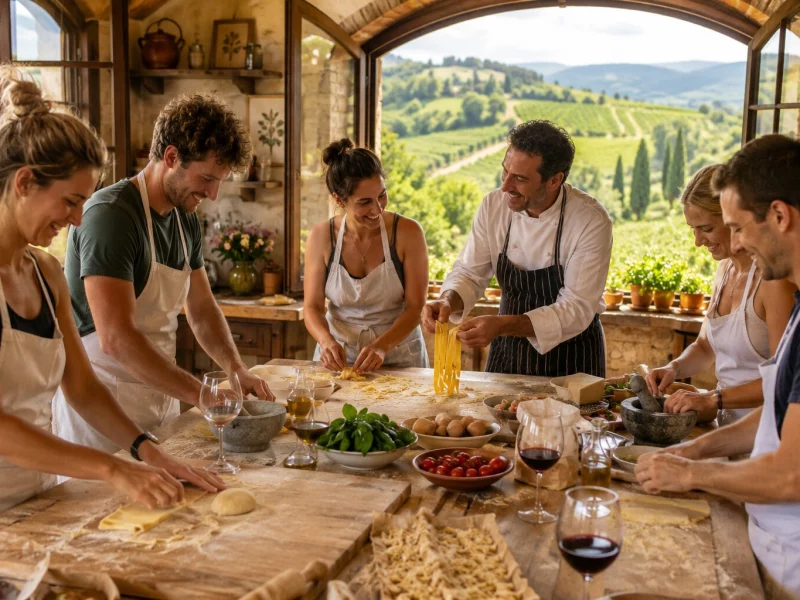
A Tuscan cooking class experience gets described differently depending on who you ask. For some travelers, it's a fun afternoon activity. For others, it's the single most memorable part of a trip to Tuscany. The difference usually comes down to what actually happens during the class. That varies more than most people expect before booking.
Not every cooking class delivers the same thing. Some are closer to a demonstration you watch. Others put you in the kitchen from the first minute. Understanding what a genuine Tuscan cooking class experience involves makes it much easier to know what you're actually signing up for.
More Than a Recipe
Recipes alone don't explain much about Tuscan food. The techniques matter. So does the setting, the ingredients, and the person teaching you. A real Tuscan cooking class experience tries to bring all of that together in a few hours. It's not just a printed recipe card handed over at the end.
This is why the best classes rarely feel like a lecture. They feel like cooking alongside someone who grew up with these dishes. The kitchen itself is usually built for exactly this kind of hands-on teaching. There's enough space and equipment for a small group to work at once, rather than crowd around a single counter.
Starting at the Market
Some classes begin before the kitchen, at a local market. Walking through stalls of fresh produce, cheese, and cured meats with a guide changes how the ingredients feel once you're cooking with them. You've seen where they came from. You've maybe tasted a few before they ever reach a cutting board. Our guide to a Florence market tour and cooking class looks at this pairing in more detail. It also explains why so many travelers consider it worth the extra hour.
Not every class includes this step, and it's not essential to enjoying the experience. But for travelers who want a fuller picture of Tuscan food culture, starting at the market adds real context. A class beginning directly in the kitchen simply can't replicate that.
Hands-On, Not a Demonstration
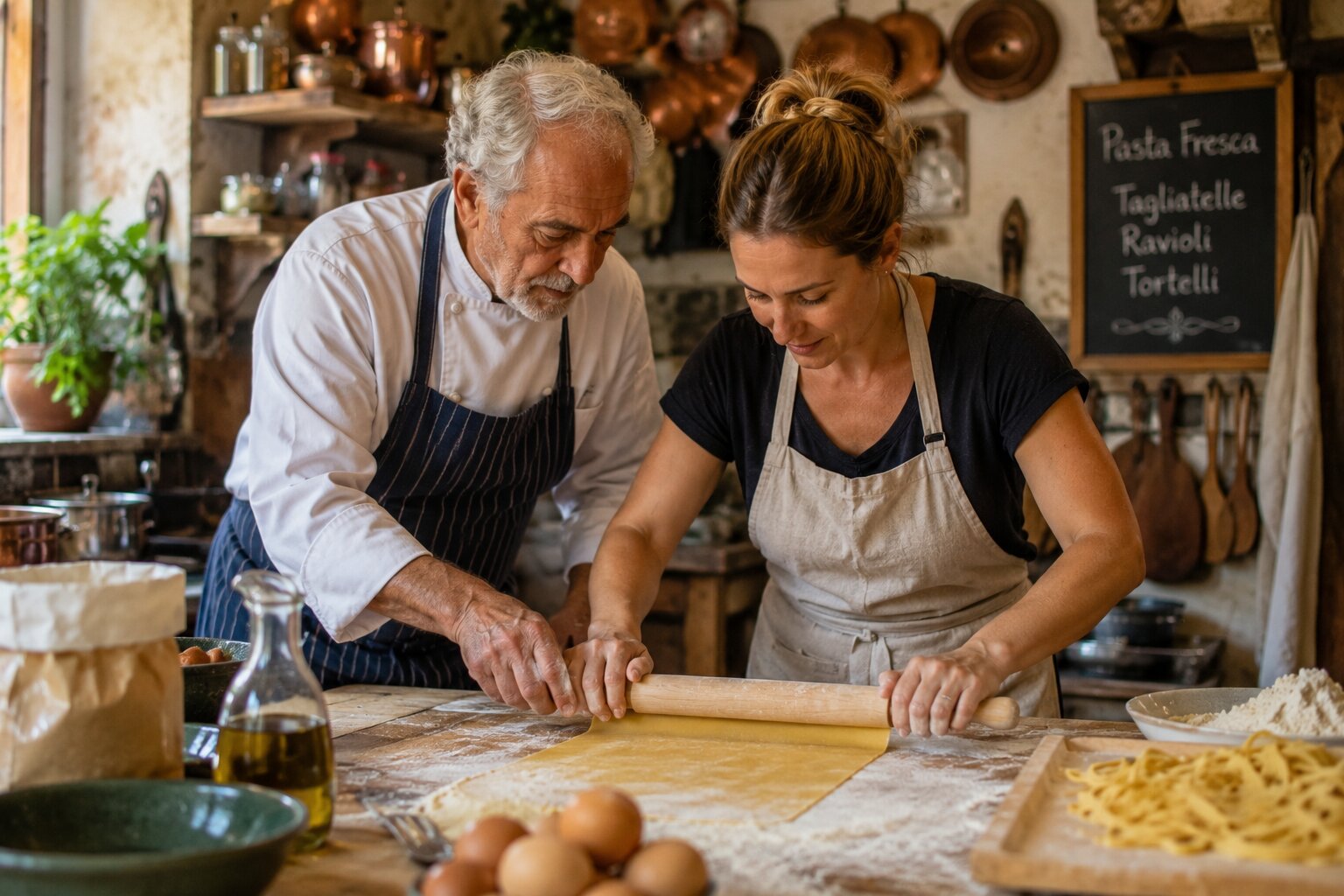
The clearest difference between a memorable class and a forgettable one is participation. A demonstration-style class has you watching a chef work while you take notes. A hands-on Tuscan cooking class experience puts a rolling pin in your hands instead, and has you making the pasta yourself.
This distinction matters more than it might seem. Watching someone knead dough is interesting for about five minutes. Actually feeling the dough change texture as you work it teaches you something a demonstration never can. It's also, simply, more fun. Our guide to cooking classes in Florence vs the countryside looks at how location changes this hands-on dynamic. A countryside kitchen often gives you more room to actually get involved.
What You Actually Cook
A well-structured class usually builds toward a complete meal rather than a single dish. That might mean fresh pasta made by hand, a simple sauce built from good ingredients, and a dessert to finish. The point isn't complexity. It's understanding how a handful of Tuscan staples come together into something impressive. The individual steps rarely look as complicated as the finished result suggests.
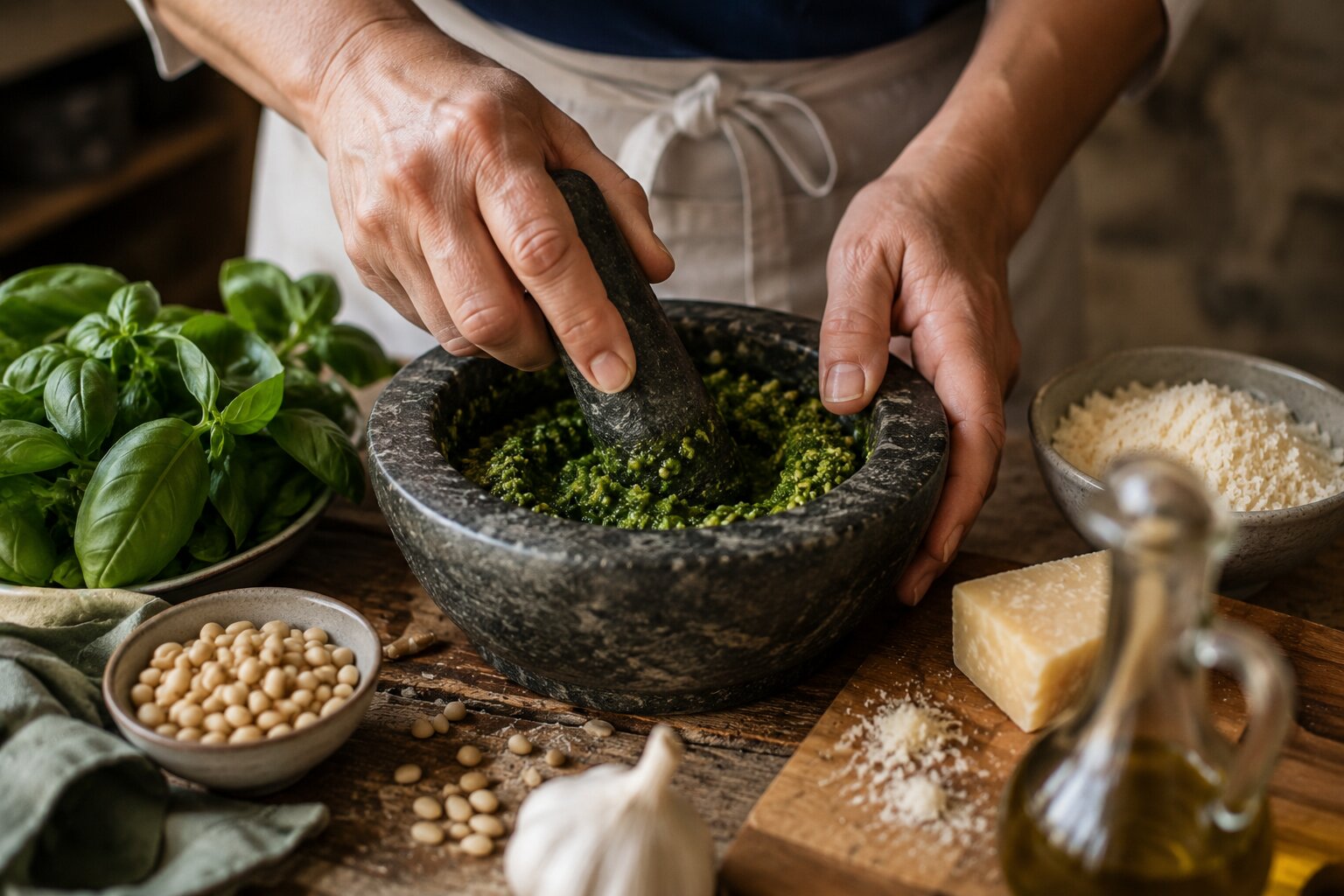
Pesto is a good example of this. It looks simple on paper. But getting the balance right, between basil, oil, garlic, and cheese, takes some feel for the ingredients. That's something much easier to learn standing next to someone correcting you in real time. Reading a method online just doesn't teach the same feel. The same goes for fresh pasta dough, where texture matters more than any written measurement ever could.
Learning From Someone, Not a Screen
Plenty of people learn to cook from videos and written recipes at home. That works well for a lot of dishes. A Tuscan cooking class experience offers something different. A person stands next to you, adjusting your technique, answering a question the moment it comes up.
This kind of feedback is hard to replace. A chef watching you fold pasta dough can tell you immediately if it's too dry or too wet. A recipe written for a general audience can't account for that. This real-time correction is often what separates a class you remember from one you forget by the following week.
Eating What You Made
The meal at the end changes the whole tone of the day. You sit down to eat food you prepared yourself, usually with wine and the rest of the group. That turns a cooking lesson into something closer to a shared occasion.
This part tends to stick with people longer than the cooking itself. There's a particular satisfaction in tasting a sauce you made or bread you helped shape. That satisfaction only grows with a glass of local wine, in a setting that already feels distinctly Tuscan.
Why the Countryside Setting Changes Things
Where a class takes place shapes the experience almost as much as what you cook. A kitchen in the middle of Florence feels different from one set among vineyards and olive groves. The countryside version tends to slow the pace down. That shift matters for a cooking class more than it might for other activities.
There's less rush and more room to actually enjoy the process. The setting reinforces exactly what you're cooking, too. Ingredients feel less abstract when the hills that grew them are visible right through the kitchen window.
Questions Worth Asking Before You Book
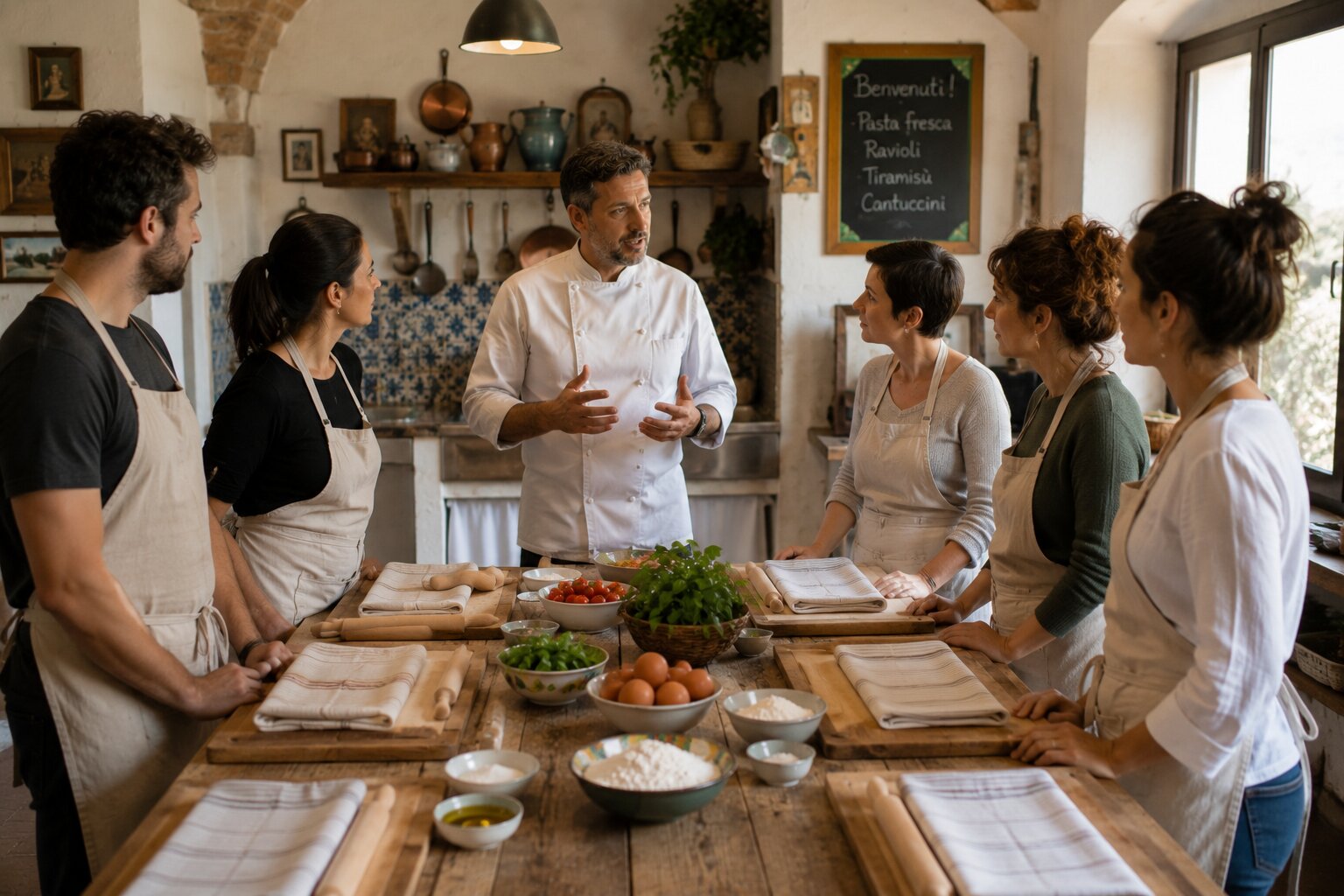
Not all classes are built the same way, and a little clarity beforehand helps set the right expectations. Is the class hands-on, or mostly a demonstration with a short cooking portion at the end? Does it include a market visit, or start directly at the kitchen? Is the meal at the end included, and does it come with wine?
These details shape the day more than the dish list does. Two classes might both promise "fresh pasta and Tuscan classics." They can still turn out to be very different experiences depending on the answers to these questions. Knowing what to ask helps match the class to what you're actually hoping to get out of it.
Who a Tuscan Cooking Class Experience Suits
This kind of class tends to appeal to a wide range of travelers. It particularly suits people who want an active part of their trip, rather than another site to walk through. Food-focused travelers, families looking for something everyone can join in on, and anyone curious about Tuscan cuisine beyond just eating it in a restaurant all tend to get real value from it.
It also works well as a change of pace within a longer Tuscany itinerary. It's something different from museums and historic centers, built around participation rather than observation.
Bringing It All Together
A genuine Tuscan cooking class experience combines several things at once. Fresh, seasonal ingredients. Hands-on instruction from someone who actually knows the region's food. A meal shared at the end of it all. Our Pasta & Pesto Class with a View, plus Tiramisù & Optional Local Market Tour from Florence brings these elements together in a countryside kitchen. There's also an optional stop at Florence's historic market beforehand, for anyone who wants to see where the ingredients come from before cooking with them.