In this post
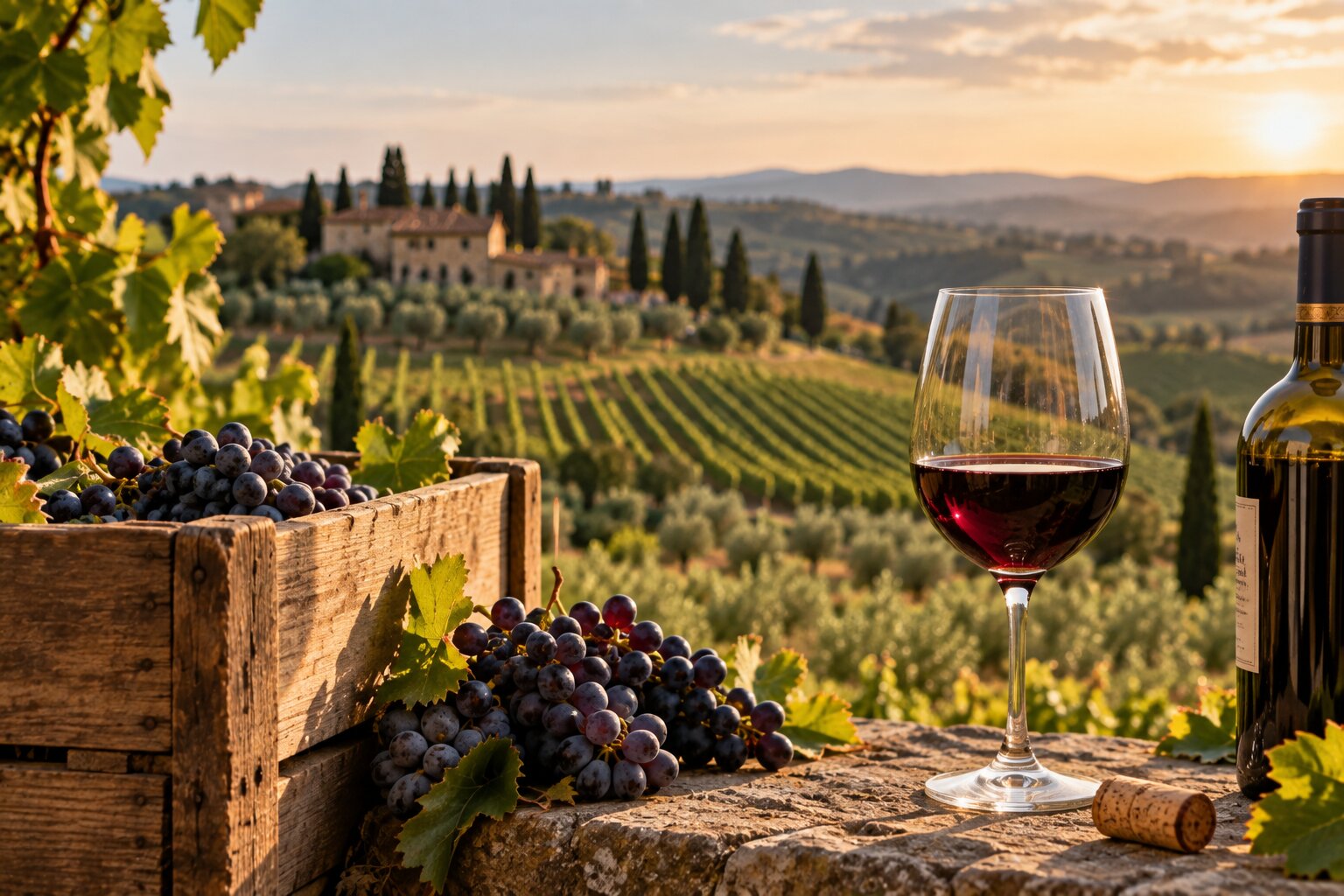
A glass of Chianti looks simple enough on a restaurant table. What gets it there is anything but. The vineyard to bottle process in Chianti spans an entire year of decisions. Most of these happen long before anyone sees a label or pulls a cork. Understanding a few of these steps changes how the wine actually tastes once it's finally poured.
None of this requires a background in winemaking to appreciate. It just requires seeing the parts of the process most visitors never get shown.
It Starts with the Land, Not the Grape
Chianti's hillside terrain shapes everything before a single grape gets planted. Elevation, soil composition, and how much sun a slope catches through the day all determine what a vineyard can actually produce. Two plots a short walk apart can yield noticeably different wine. That difference comes purely from how the land sits.
Estates spend generations learning this terrain. That's part of why family-run wineries tend to know their land more intimately than larger commercial operations working across scattered plots.
Harvest: Timing Is Everything
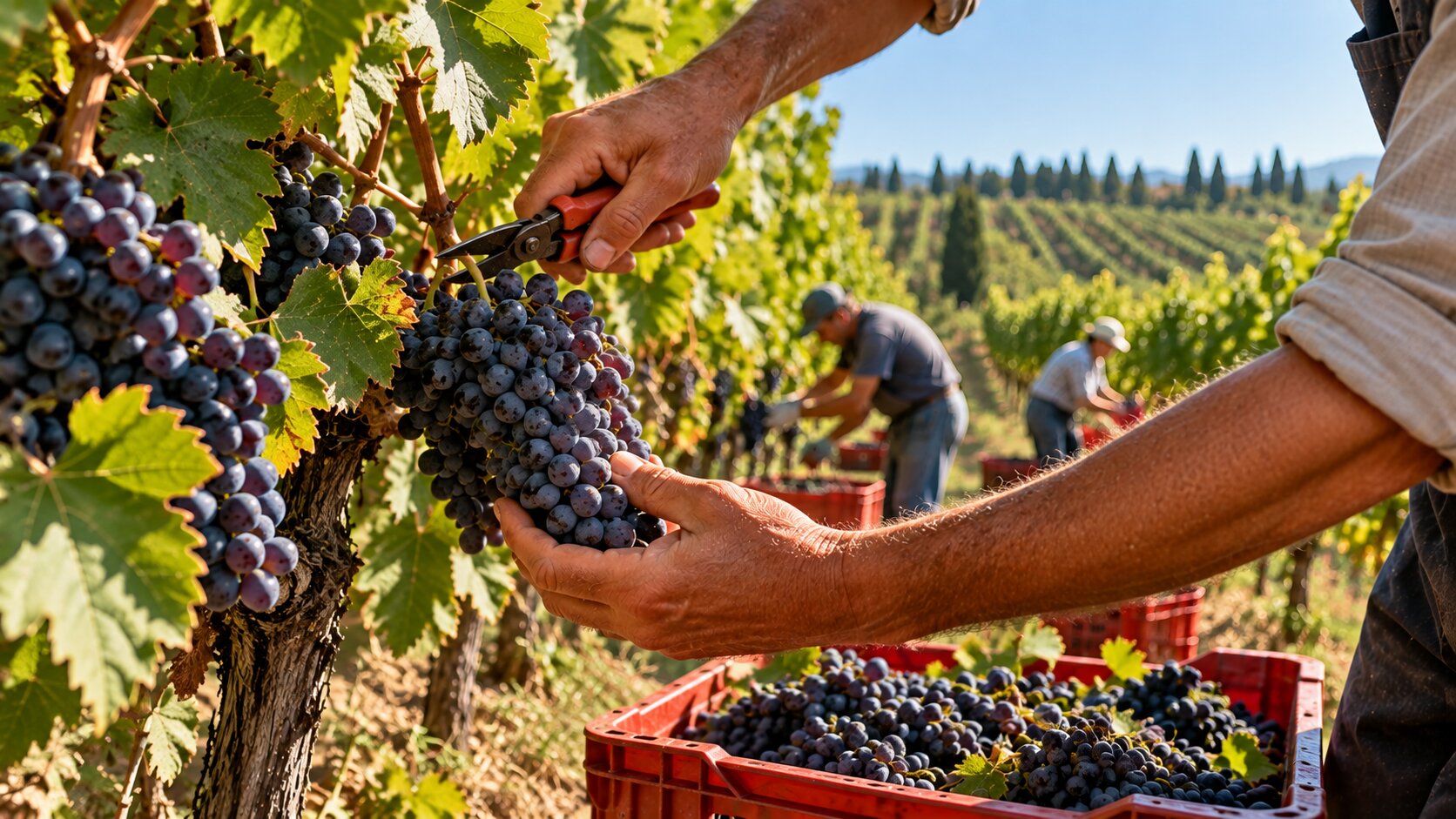
Sangiovese, the backbone grape of Chianti Classico, typically gets picked in late September or early October. The exact window shifts year to year depending on the weather. Picking too early means underripe fruit and harsh tannins. Too late risks losing acidity that gives the wine its structure.
Many estates still hand-pick their grapes rather than using machines. This allows workers to select only the best clusters and leave anything damaged or underripe behind. It's slower, but it gives the winemaker far more control over what actually goes into the fermentation tank.
What Happens in the Cellar
Once picked, grapes get crushed and moved into fermentation, where naturally occurring or added yeasts convert sugar into alcohol over roughly one to two weeks. Temperature control during this stage matters enormously. Too hot and the wine loses delicate aromatics. Too cool and fermentation can stall entirely.
Our guide to Chianti wine explained covers how these early winemaking choices connect to the DOCG classification system. That's useful context for understanding why some bottles carry that designation and others don't.
Is Aging Really Necessary?
For Chianti Classico, yes, by law. The wine must age for a minimum period before release. Riserva designations require even longer. This isn't just bureaucracy. Time in barrel softens tannins and allows the wine's flavors to integrate in ways that can't be rushed.
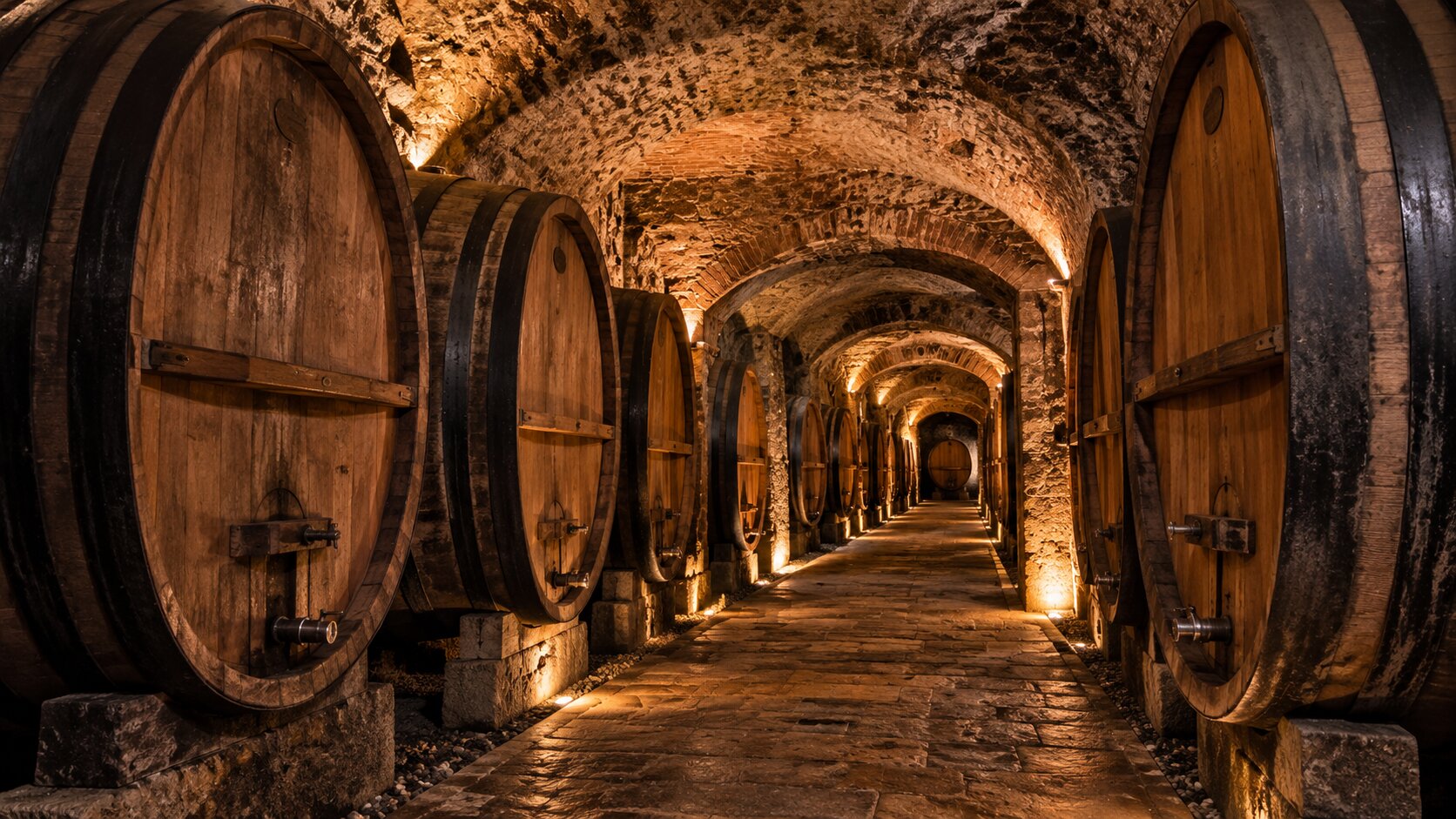
Oak barrels, whether large traditional botti or smaller French barriques, each impart different characteristics. Larger barrels add subtle oxygen exposure without much flavor transfer. Smaller barrels bring more noticeable vanilla and spice notes into the finished wine.
Underground Cellars and Why They Matter
Many historic Chianti estates still age their wine in cellars carved directly into the hillside. Some connect by tunnels running beneath the villa itself. These spaces stay naturally cool and humid year-round, exactly the environment slow, steady aging requires.
Our guide to how to choose a winery in Chianti covers what separates estates with genuine historic cellars from newer operations relying on modern climate-controlled rooms instead. Both can produce good wine. The experience of walking through one differs enormously from the other, though.
The Blending Decision
Chianti Classico requires a minimum percentage of Sangiovese, but winemakers often blend in small amounts of other approved varieties to round out the final wine. This blending decision happens after aging has already softened the individual components. That gives the winemaker a clearer sense of how everything will taste together.
It's one of the more subjective steps in the entire process, closer to composing than following a fixed recipe. Two winemakers working with nearly identical grapes can still produce noticeably different final blends.
From Barrel to Bottle
Once a wine has aged sufficiently, it gets filtered, blended, and bottled. It often rests further inside the bottle itself before release. This final stage allows any remaining rough edges from bottling to settle. That's why a freshly bottled wine can taste slightly different from the same bottle a few months later.
Labels get applied last, carrying the DOCG seal for wines that meet the strict production standards required to earn it. That seal represents everything that happened months or years earlier in the vineyard and cellar, condensed into a single mark on the bottle.
What This Means for a Tasting
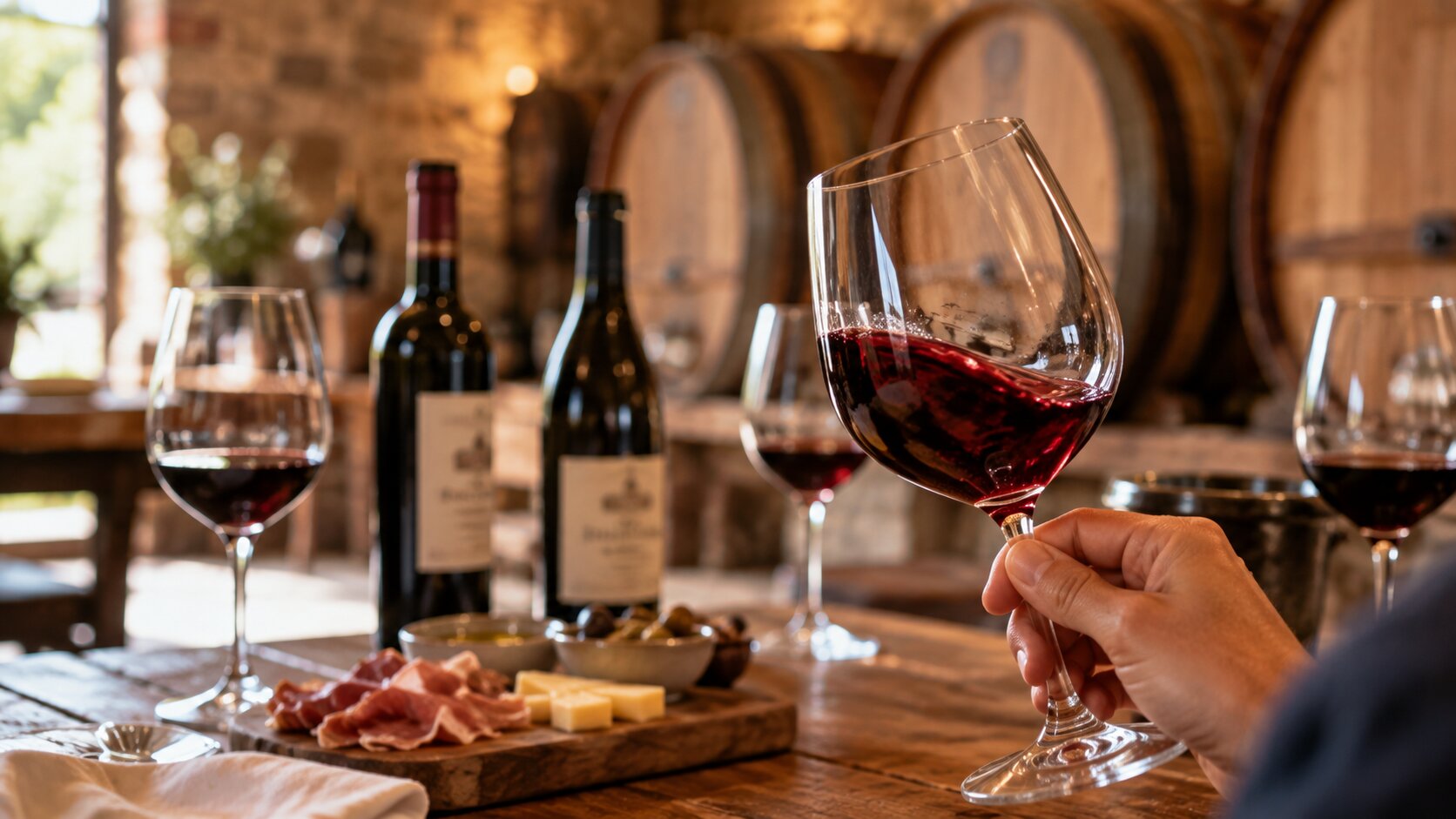
Knowing even a rough outline of this process changes what to actually notice in a glass. A wine's tannin structure hints at how long it aged. A hint of vanilla or spice often points to time spent in smaller oak barrels rather than larger traditional ones. None of this requires formal training to pick up on once someone points it out.
A guided tasting tends to work better than a self-guided one for exactly this reason. Connecting a specific characteristic in the glass back to a specific decision made months earlier, harvest timing, barrel choice, blending ratio, turns a tasting from a simple pour into something closer to reading a short history of the wine itself.
Why Two Estates Rarely Taste the Same
Even neighboring wineries working with the same grape and roughly the same terrain can produce noticeably different Chianti. Small variations in harvest timing, fermentation temperature, barrel choice, and blending ratios compound across the whole process. By the time a wine reaches the bottle, these differences have added up into something distinctly the estate's own.
This is part of why visiting more than one winery on the same day tends to be so revealing. Tasting two wines made just a few kilometers apart, following broadly similar steps, shows just how much room for variation exists within a single, tightly regulated appellation.
Seeing the Process Up Close
Understanding the vineyard to bottle process in Chianti changes how a tasting feels afterward. A wine stops being just a glass poured at a restaurant table. It becomes the result of a specific hillside, a specific harvest, and a series of decisions made months or years before it ever reached a bottle.
Our Private Tuscany Wine Tour: Off Road Chianti Wine Safari with Lunch from Florence takes travelers through two historic estates where this entire process is visible firsthand. At Villa Le Corti, the tour winds through underground cellars and an olive mill reached via tunnels beneath the villa itself, followed by tastings that show how aging and blending come together in the finished wine. The day continues to Rignana and Poggio Torselli, giving a fuller picture of how different estates approach the same fundamental process in their own way.