In this post
- Tuscan Cuisine Explained: What Makes It Different?
- The Importance of Bread in Tuscan Food Culture
- The Ingredients That Define Tuscan Cuisine
- A Cuisine Shaped by the Countryside
- Florence and the Urban Side of Tuscan Cuisine
- Tuscan Cuisine Explained Through Seasonal Cooking
- Meat, Fire, and Simplicity
- Fresh Pasta and Handmade Traditions
- Wine as Part of the Regional Identity
- Why Tuscan Cuisine Remains Relevant Today
- How to Recognize Authentic Tuscan Food
- A Deeper Understanding of Tuscany
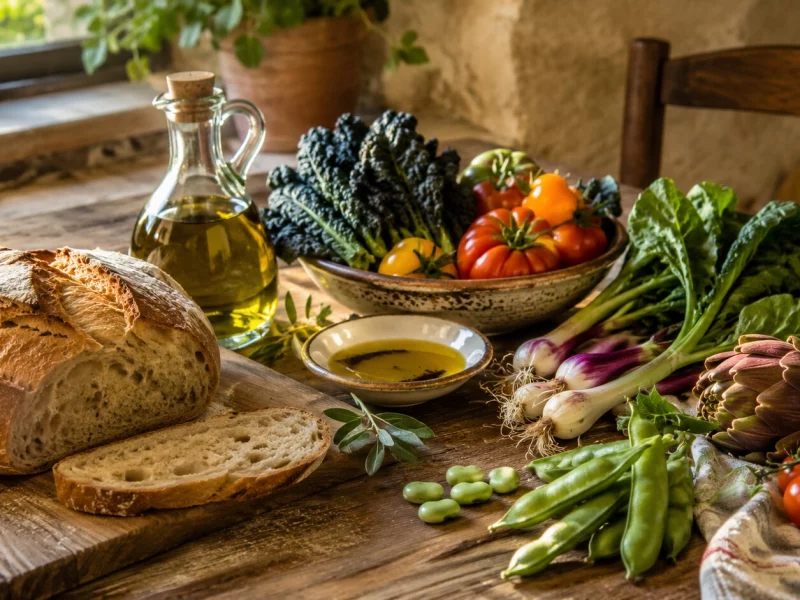
Tuscan Cuisine Explained is ultimately a story of simplicity, seasonality, and respect for ingredients. While many travelers think of Italian food as a single culinary tradition, Tuscany has developed a distinct food culture shaped by its landscape, agricultural heritage, and local customs.
Rather than relying on elaborate techniques or complex recipes, Tuscan cooking focuses on balance. Local cooks build dishes around ingredients that are fresh, seasonal, and deeply connected to the region. As a result, even the most straightforward meals often reveal remarkable depth.
Understanding Tuscan cuisine means looking beyond individual dishes. It means understanding the values that have guided Tuscan kitchens for centuries and continue to influence the way people eat today.
Tuscan Cuisine Explained: What Makes It Different?
The defining characteristic of Tuscan cuisine is restraint. Unlike many cuisines that emphasize rich sauces or elaborate presentations, Tuscan cooking allows ingredients to take center stage.
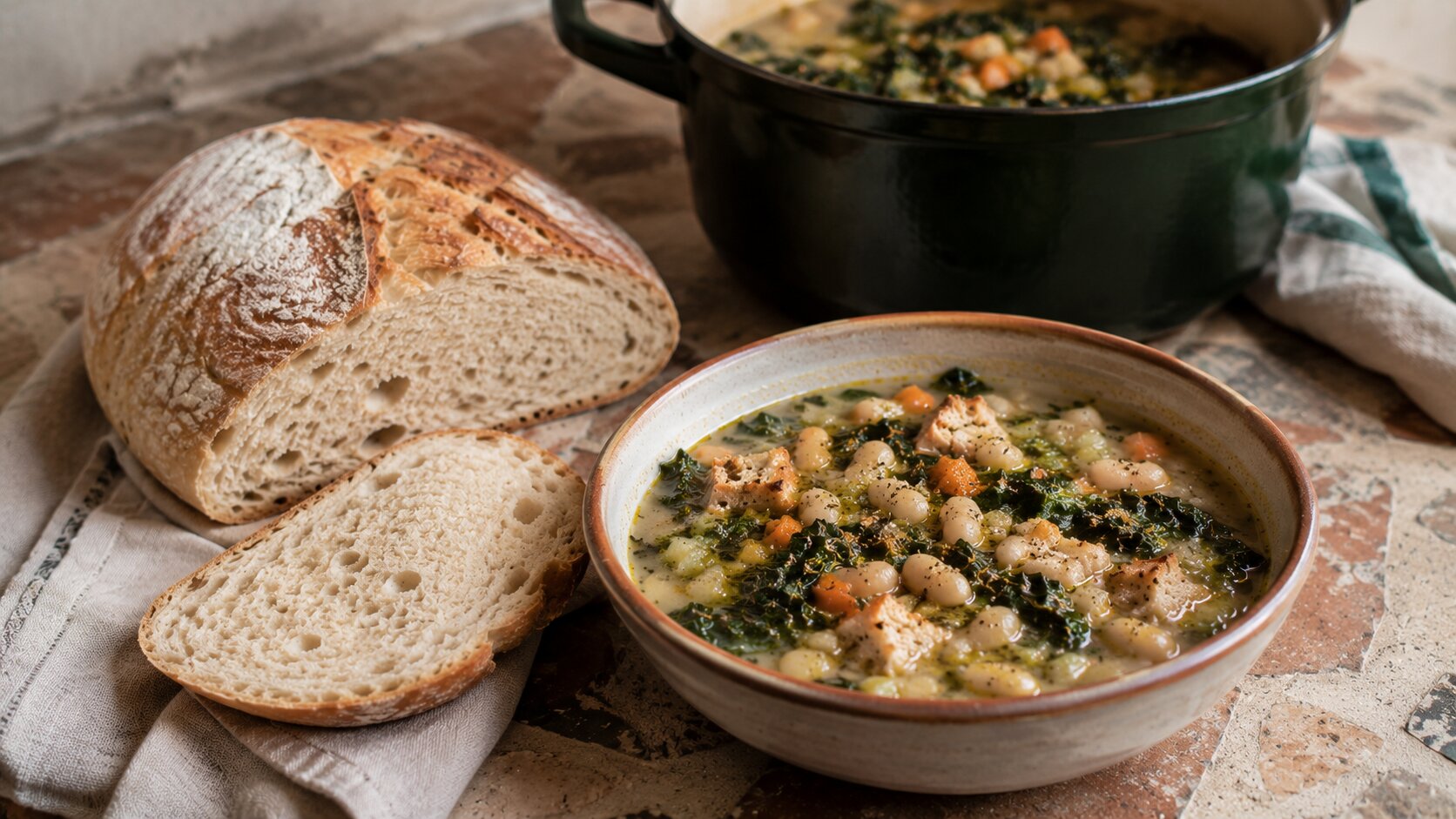
For example, a bowl of ribollita, a plate of handmade pasta, or a slice of grilled bread drizzled with olive oil may appear simple. However, each dish depends on quality ingredients, careful preparation, and a deep understanding of flavor.
Because cooks cannot hide behind excessive seasoning, every ingredient matters. Consequently, freshness and seasonality become essential rather than optional.
This philosophy explains why Tuscan cuisine feels both rustic and refined at the same time. Instead of chasing complexity, it seeks clarity.
The Importance of Bread in Tuscan Food Culture
Few ingredients reveal the character of Tuscany more clearly than bread.
Traditional Tuscan bread contains no salt, a feature that often surprises first-time visitors. Yet this neutral flavor serves an important purpose. It balances the strong flavors of cured meats, aged cheeses, soups, and olive oil that define the regional table.
Moreover, bread forms the foundation of several iconic dishes. Panzanella, pappa al pomodoro, and ribollita all transform stale bread into something entirely new.
Rather than wasting ingredients, Tuscan cooks learned how to extend their usefulness. As a result, bread became much more than a side dish. It became a central ingredient in its own right.
The Ingredients That Define Tuscan Cuisine
Although recipes vary throughout the region, certain ingredients appear again and again.
Extra virgin olive oil sits at the heart of Tuscan cooking. Fresh vegetables, legumes, herbs, wild greens, and locally raised meats also play important roles. In addition, wine influences both cooking and dining traditions across the region.
Many visitors notice that Tuscan dishes contain relatively few ingredients. However, that simplicity requires discipline. Every component must contribute something meaningful to the final result.
Consequently, ingredient quality matters enormously. A great olive oil, perfectly ripe tomato, or freshly harvested herb can completely transform a dish.
A Cuisine Shaped by the Countryside
Tuscan food culture grew largely from rural traditions. For centuries, farming families relied on practical cooking methods that maximized available resources.
As a result, the region developed what Italians call cucina povera, or "poor cooking." Despite the name, these dishes often demonstrate extraordinary ingenuity.
Beans, vegetables, grains, and bread formed the basis of everyday meals. Meanwhile, herbs and olive oil added flavor without requiring expensive ingredients.
Today, many of Tuscany's most celebrated dishes originate from these humble beginnings. Their lasting popularity reflects the enduring appeal of honest, ingredient-driven cooking.
Florence and the Urban Side of Tuscan Cuisine
While rural traditions shaped much of Tuscan cooking, Florence developed its own culinary identity.
The city's markets, workshops, taverns, and family kitchens created a vibrant food culture rooted in local ingredients and daily life. Consequently, Florentine cuisine combines practicality with strong regional character.
Dishes such as bistecca alla Fiorentina, crostini toscani, and lampredotto demonstrate this urban culinary heritage. Each reflects local traditions that have evolved over generations.
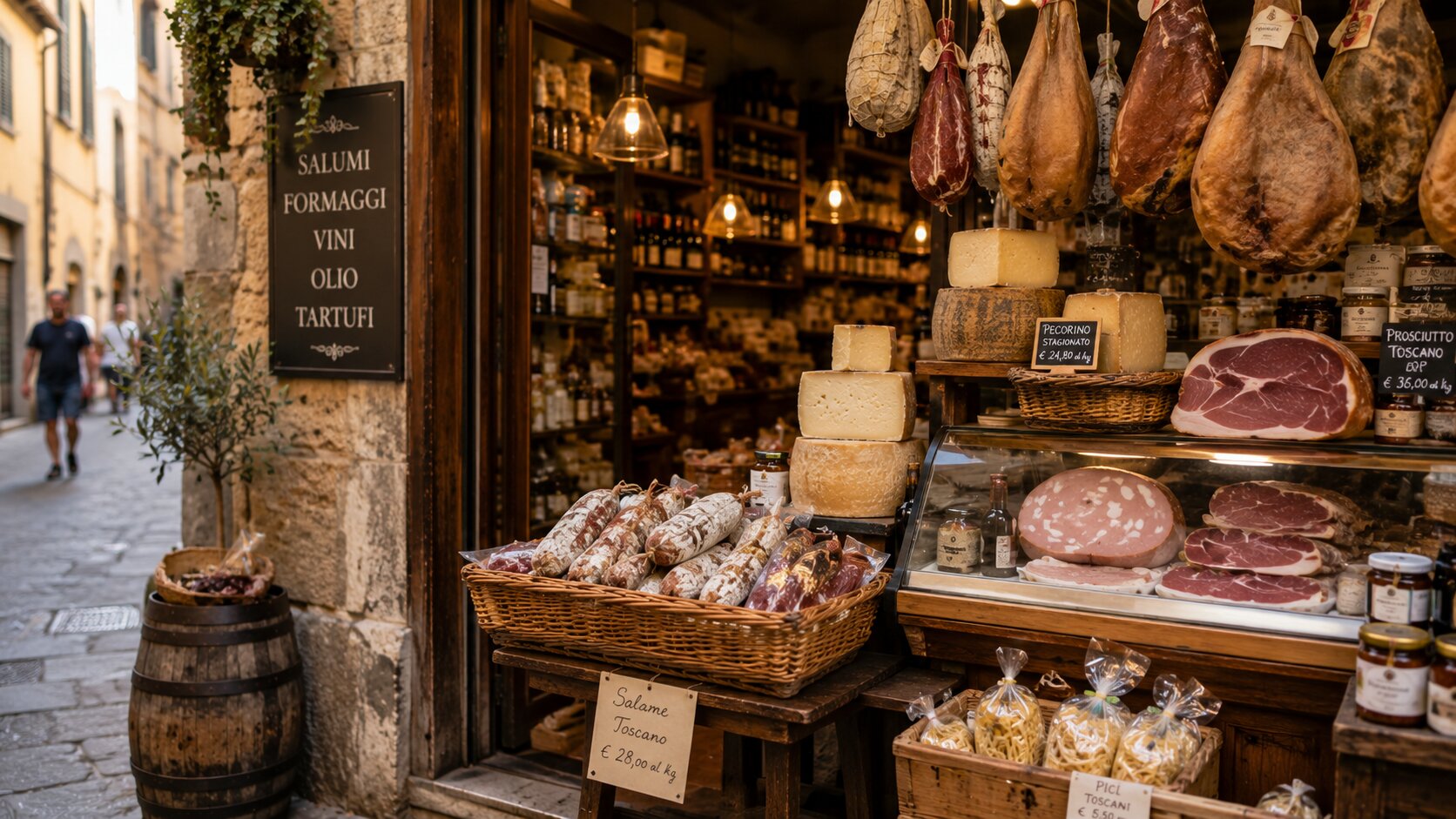
Even today, markets remain essential to understanding Florentine food culture. They reveal how residents select ingredients, follow seasonal rhythms, and maintain culinary traditions.
For travelers interested in exploring this connection more deeply, our guide to Florence Market Tour and Cooking Class explains how market culture continues to shape Tuscan cooking experiences.
Tuscan Cuisine Explained Through Seasonal Cooking
Seasonality influences every aspect of Tuscan cuisine.
In spring, artichokes, fresh herbs, and tender vegetables appear on menus. During summer, tomatoes, basil, zucchini, and eggplant dominate local dishes. Autumn introduces mushrooms, chestnuts, game, and freshly pressed olive oil. Winter, by contrast, favors soups, beans, braised meats, and hearty vegetables.
Because ingredients change throughout the year, Tuscan cooking remains closely connected to the landscape. Consequently, the same dish may taste slightly different depending on when and where it is prepared.
This seasonal approach creates a strong sense of place. Rather than forcing ingredients out of season, Tuscan cooks adapt their menus to what nature provides.
Meat, Fire, and Simplicity
Although vegetables and legumes play important roles, Tuscany is also famous for its meat traditions.
Perhaps the best-known example is bistecca alla Fiorentina, a thick-cut steak grilled over hot coals. However, the broader philosophy matters more than any individual dish.
Tuscan cooks generally avoid excessive marinades or complicated preparations. Instead, they rely on fire, salt, herbs, and timing.
As a result, the natural flavor of the meat remains the focal point. This approach reflects the wider Tuscan belief that quality ingredients require minimal interference.
Fresh Pasta and Handmade Traditions
Fresh pasta occupies an important place within Tuscan culinary culture.
Shapes such as pappardelle, tagliatelle, ravioli, and pici showcase techniques passed down through generations. Although the ingredients remain simple, the process requires patience, skill, and experience.
Moreover, handmade pasta reflects a broader Tuscan appreciation for craftsmanship. Every stage of preparation contributes to the final result.
For this reason, many travelers discover that learning to make pasta offers valuable insight into the region's food culture. Our article on Tuscan Cooking Classes with Local Chefs explores how local chefs preserve and share these traditions.
Wine as Part of the Regional Identity
Food and wine have always shared a close relationship in Tuscany.
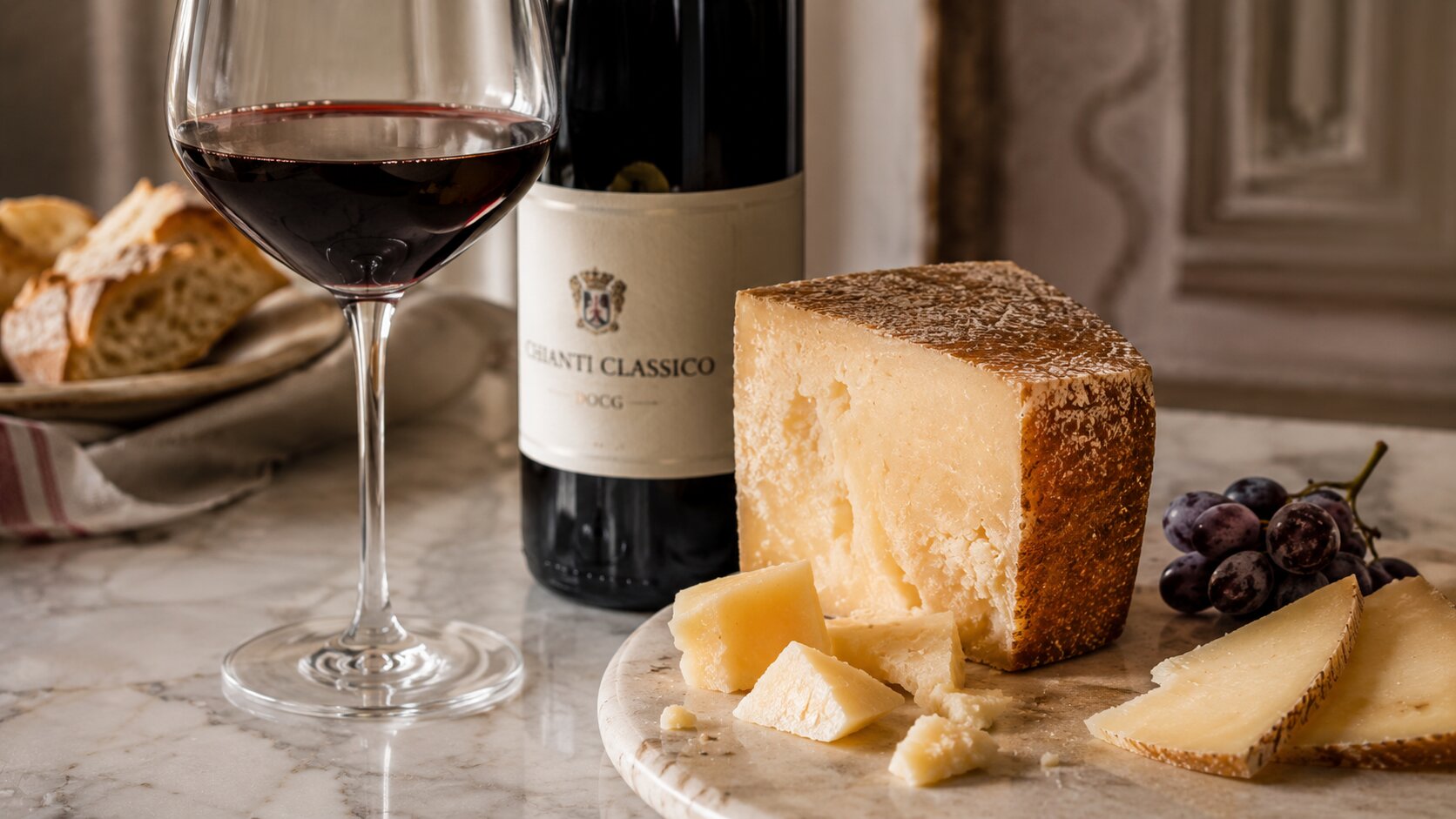
Regions such as Chianti, Montalcino, and Montepulciano produce wines that complement local dishes naturally. Consequently, meals often feel balanced because food and wine evolved within the same cultural landscape.
A robust red wine enhances grilled meats, aged cheeses, and slow-cooked sauces. Likewise, lighter wines work beautifully with vegetables, fresh pasta, and seasonal dishes.
Rather than treating wine as an afterthought, Tuscan dining traditions integrate it into the overall experience.
Why Tuscan Cuisine Remains Relevant Today
Many contemporary food trends emphasize local sourcing, seasonality, sustainability, and minimal waste. Interestingly, Tuscan cuisine has embraced these principles for centuries.
As a result, the region's culinary traditions continue to feel surprisingly modern. Visitors often discover that what appears innovative elsewhere has long been standard practice in Tuscany.
Furthermore, the cuisine adapts naturally to changing tastes without abandoning its foundations. Its emphasis on ingredients rather than fashion gives it lasting appeal.
Consequently, Tuscan food remains both deeply traditional and remarkably contemporary.
How to Recognize Authentic Tuscan Food
Authentic Tuscan cuisine rarely depends on spectacle. Instead, it relies on quality ingredients, seasonal awareness, and thoughtful preparation.
When evaluating a meal, consider whether the ingredients reflect the season, whether the flavors feel balanced, and whether the dish respects regional traditions.
In many cases, the most authentic experiences appear surprisingly modest. However, they often reveal the strongest connection to local culture.
Ultimately, authenticity comes from coherence rather than complexity.
A Deeper Understanding of Tuscany
To understand Tuscan cuisine is to understand a way of life. The region's food reflects its landscape, history, agricultural traditions, and cultural values.
Moreover, it demonstrates how simplicity can create extraordinary depth when supported by quality ingredients and thoughtful preparation.
As travelers explore Tuscany, they quickly discover that food provides one of the clearest windows into the region's identity. Markets become more meaningful, meals become more memorable, and local traditions become easier to appreciate.
For this reason, Tuscan cuisine offers much more than memorable dishes. It provides a deeper understanding of Tuscany itself.