In this post
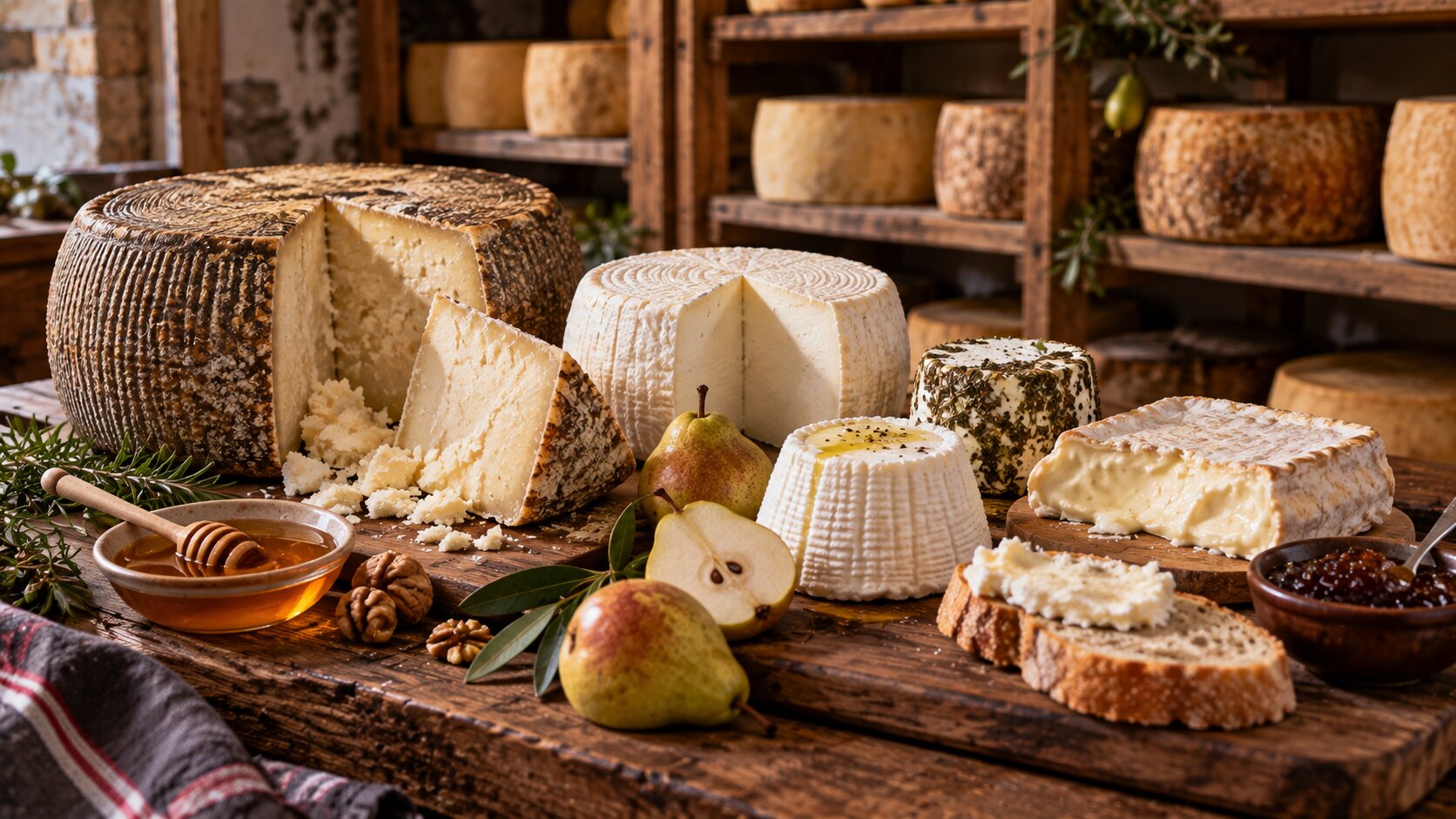
Ask most people to name a Tuscan food and they'll reach for bread, olive oil or a glass of Chianti before they ever mention cheese, and yet Tuscan cheese quietly shows up on nearly every table in the region, from the antipasto plate to the end of a meal. Sheep, goat and cow's milk all play a role here, and the results range from firm, grating cheeses aged for over a year to soft, spreadable ones meant to be eaten within days of being made.
Pecorino: The Cheese of the Region
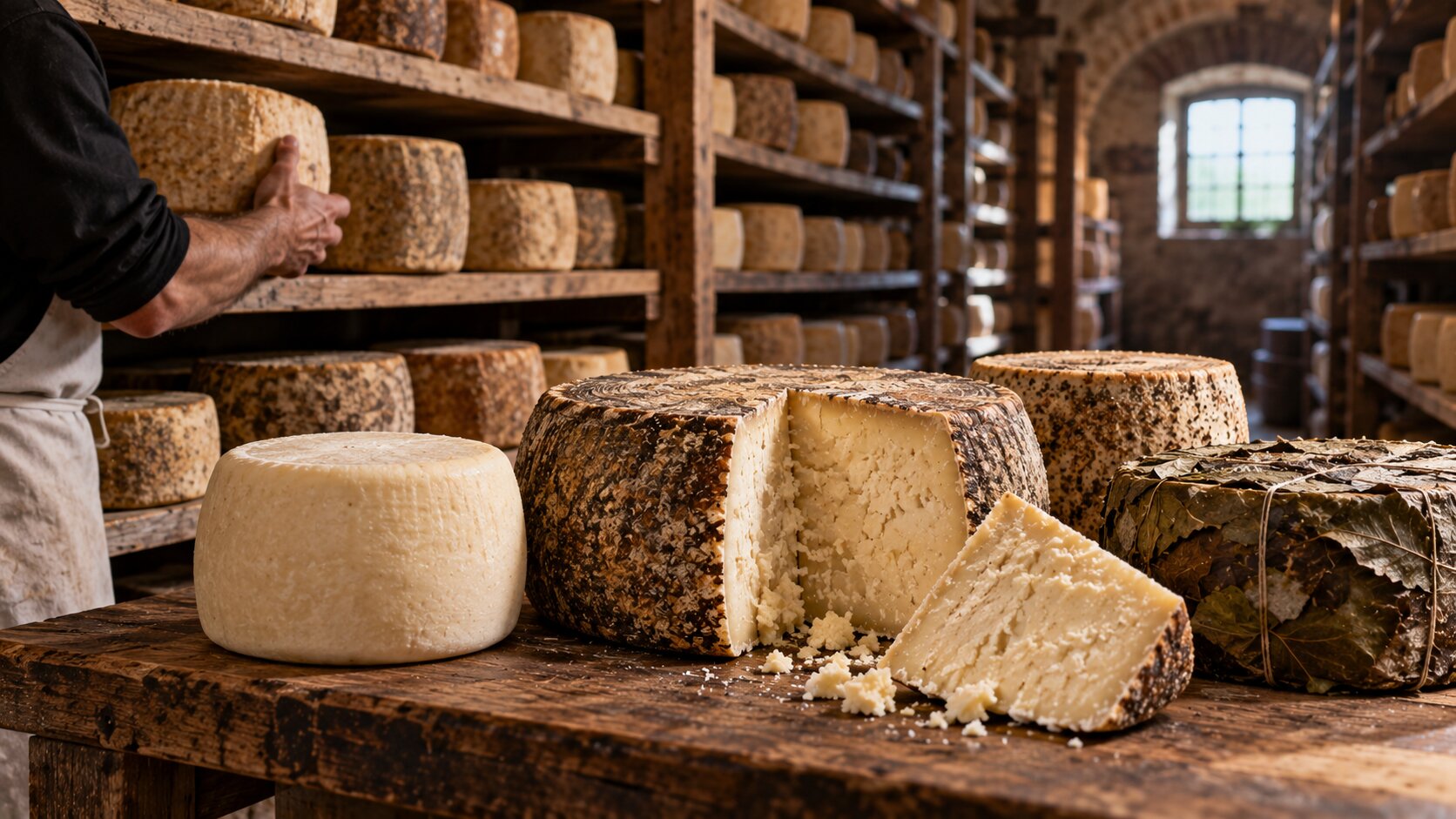
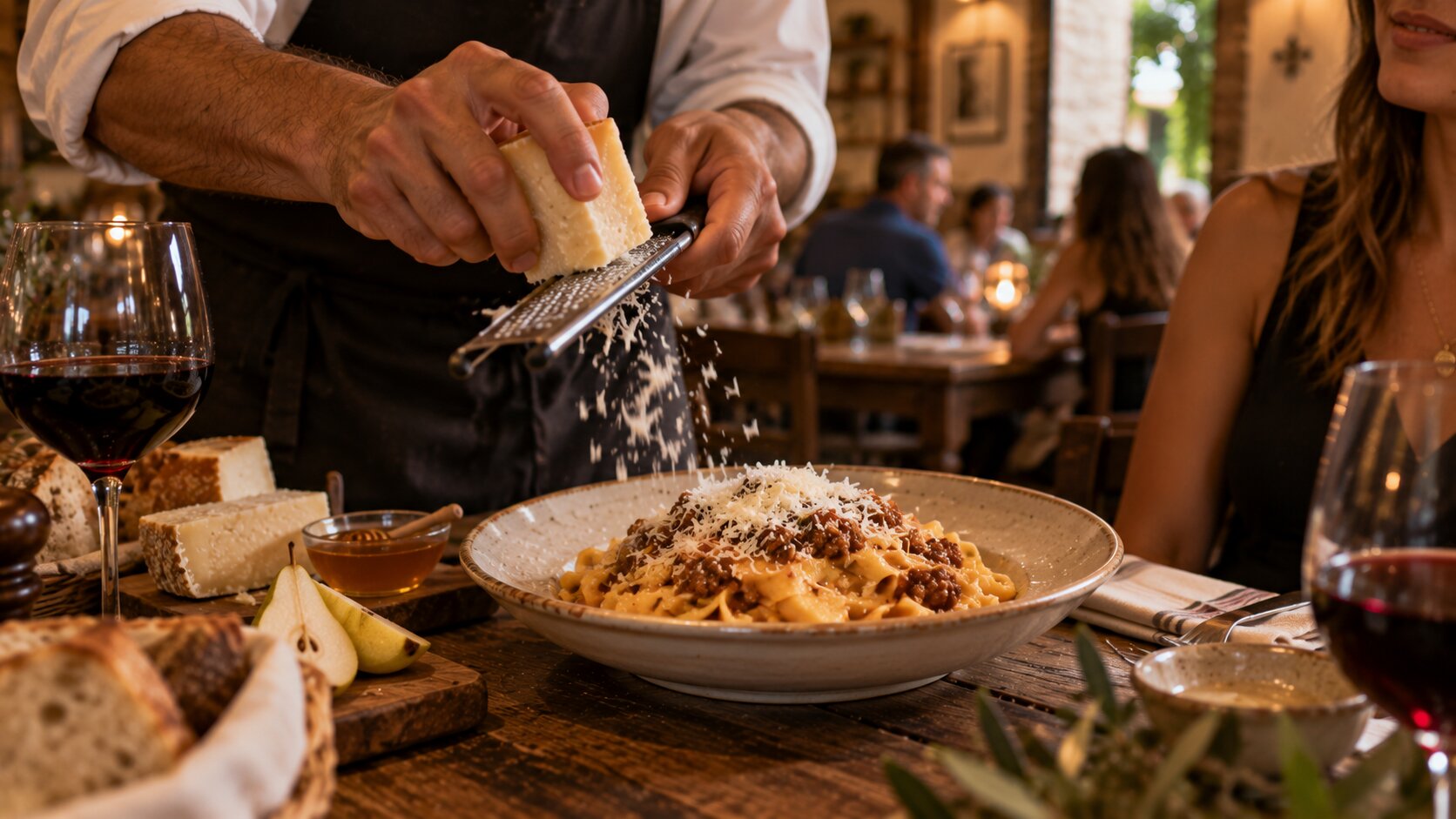
The most popular cheese in Tuscany is Pecorino, a hard cheese made from whole sheep's milk between September and June when the grass is best for grazing. It can be eaten "fresh" when it is relatively soft and creamy or it can be aged in a variety of ways until it is quite firm but crumbly, nutty and sharp in flavour. Mature Pecorino, aged for at least 18 months, is often grated over a robust pasta sauce rather than the well known and more delicate Parmesan.
Pecorino can be found studded with black truffles or walnuts, and wrapped in leaves which have almost turned to dust during the aging process. There are also regional differences within Tuscany where Pecorino is produced with un-pasteurised milk or where the characteristic oval shape of the maturing cheese is rubbed with olive oil, tomato paste or salt to confer a particular local style and flavour. Pecorino in Florentine restaurants will often be served with honey or fruit conserves, a tradition thought to date back to the pre-Roman Etruscan period.
The town of Pienza, in the Val d'Orcia, is often held up as the unofficial capital of Tuscan Pecorino, and it's worth knowing the name even if you never make it there in person; it shows up regularly on cheese boards and market stalls as a mark of quality. The distinction between fresh and aged matters more than it might seem. A young Pecorino, sometimes called Pecorino fresco, is mild enough to eat on its own with nothing more than a drizzle of oil, while anything labelled stagionato or riserva has spent months developing the sharper, more concentrated flavour that makes it worth grating rather than slicing.
Caprino, Ricotta and Stracchino: The Softer Side
Caprino is soft, creamy and made from goat's milk. In Tuscany it is often rolled in herbs or ground pepper for extra flavour and it is produced in the lush green of the Maremma and the Mugello.
Tuscan sheep's ricotta is a soft, fresh whey cheese made from ewe's milk. Naturally low in fat and slightly sweet it is a popular ingredient in many desserts all over Italy. Although usually eaten fresh, ricotta can also be found smoked or salted which means its shelf life increases as does its versatility in the kitchen.
Tuscan stracchino, also known as crescenza, is a soft, creamy cheese with a mild, slightly sweet flavour. It is made in the south west of Tuscany in the area of the Maremma and is used in delicate egg dishes or with vegetables.
Together, these three softer cheeses show a different side of Tuscan cheese-making than Pecorino does. Where Pecorino rewards patience, aged for months in cellars until it develops real character, Caprino, ricotta and stracchino are built for speed, made to be eaten within days rather than stored for months. Both approaches come from the same practical roots: farms making the most of whatever milk they had, whether that meant preserving it for the long term or using it fresh before it turned.
Geography plays a role in which cheese you'll find where, too. The Maremma, with its wide-open pastures along the southern coast, produces much of Tuscany's Caprino and stracchino, while the hillier country further inland, around Pienza and the Val d'Orcia, is better suited to the sheep farming that keeps Pecorino production going. It's a small detail, but it explains why a cheese shop in Grosseto and one in Siena can stock noticeably different things even though both are selling Tuscan cheese.
How Tuscans Actually Eat Cheese
Cheese in Tuscany rarely arrives as its own course the way it might in France. More often it turns up woven into a dish, ricotta folded into ravioli filling, stracchino melted through a plate of vegetables, or Pecorino grated over pasta at the table rather than plated on its own. When a formaggi board does appear, usually toward the end of a meal, it tends to pair a few different ages and types of Pecorino side by side, letting you taste the difference between fresh and aged without needing to order three separate dishes.
Honey and fruit preserves are the classic accompaniment, especially with the sharper, more mature cheeses, chestnut honey with an aged Pecorino is a pairing that shows up again and again for good reason: the sweetness cuts through the saltiness in a way that plain bread never quite manages. Fresh pears, when they're in season, do something similar. If you see a cheese board arrive with a small pot of honey and no explanation, that's not decoration, it's meant to be used.
Pairing Tuscan Cheese with Wine
Given how much Tuscan cheese leans on sheep's milk, it tends to hold up well against the region's tannic reds rather than needing something delicate. A mature Pecorino, with its sharp, nutty edge, actually suits a Chianti Classico better than most people expect, the wine's acidity and tannin cutting through the cheese's richness instead of clashing with it. Softer cheeses like stracchino or fresh Pecorino, on the other hand, are gentler enough to sit alongside a lighter white without being overwhelmed.
If wine pairing is part of what draws you to Tuscan food in the first place, it's worth reading a bit more about the region's most famous red before you order a cheese board to go with it; our guide to Chianti wine explained breaks down exactly what to expect from a glass, tannin, acidity and all, so you know what you're pairing something like an aged Pecorino against.
Tasting It for Yourself
Reading about Tuscan cheese only gets you so far; the differences between a young Pecorino and one aged eighteen months are much easier to understand with a plate in front of you than a paragraph. A hands-on class is one of the more direct ways to get there. Our Tuscan cooking class experience usually includes a cheese tasting alongside the cooking itself, so you leave not just having made a dish but having tried several of the region's cheeses side by side, with someone on hand to explain what's actually in front of you.
Between the firm, aged wheels of Pecorino and the soft, short-lived cheeses like stracchino and fresh ricotta, Tuscany covers a surprisingly wide range for a region better known for its wine and olive oil. Once you know what to look for, a cheese board here stops being an afterthought and starts being one of the more interesting things on the table, worth the same attention you'd give the wine list or the pasta course.