In this post
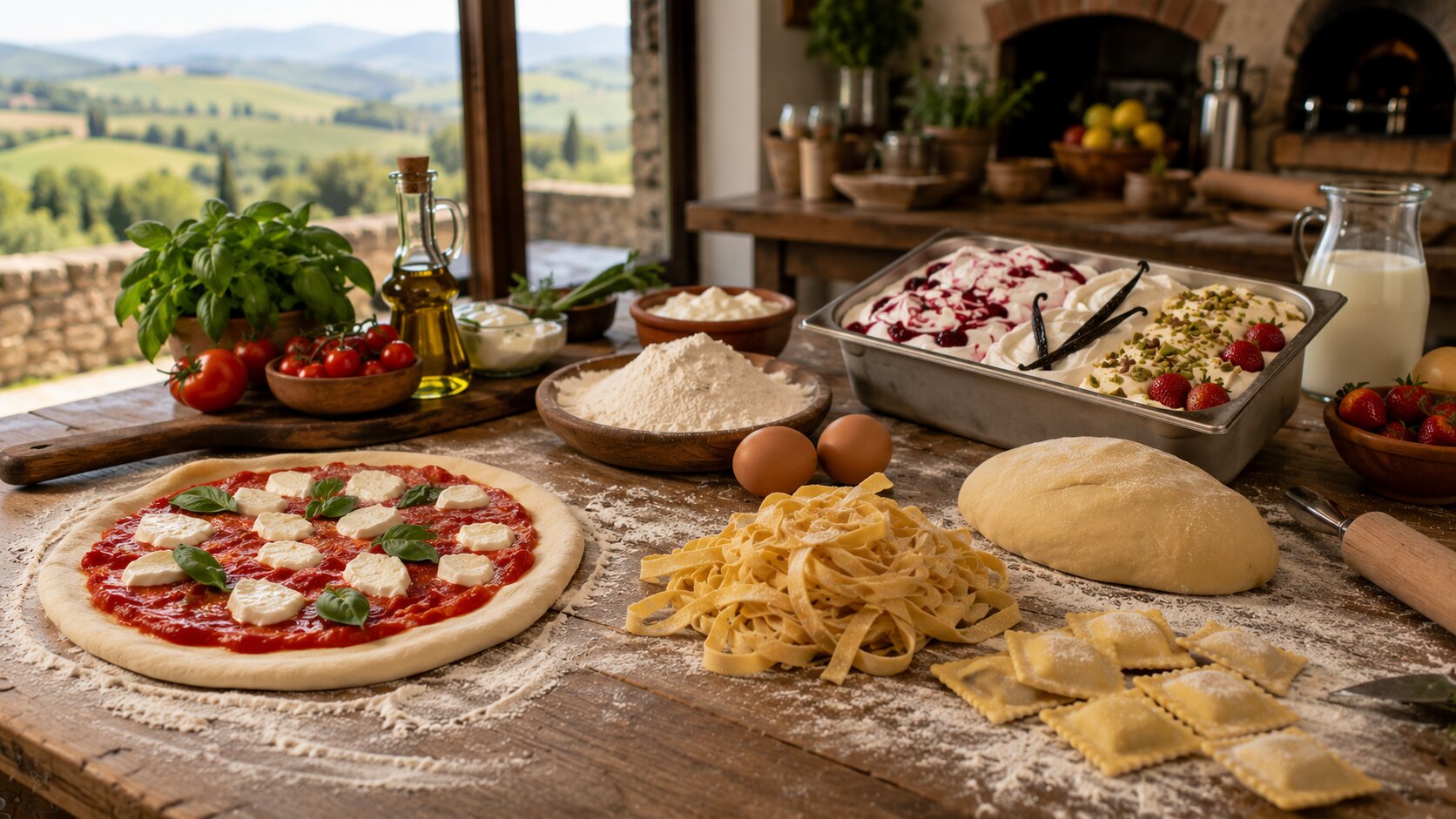
A good Florence cooking class teaches you a lot more than a recipe card ever could. Most travelers show up expecting to learn how to make pizza, pasta, or gelato. They do. But the real lessons happen in the details no recipe writes down. How dough should actually feel under your hands. When a sauce has thickened enough. Why one ingredient needs restraint and another needs time.
The best versions of these classes don't stop at demonstration. They put you in a real kitchen, working with ingredients you may have picked yourself an hour earlier, guided by someone who's made the same dish thousands of times and can tell instantly when yours needs another minute of kneading.
Why Does a Florence Cooking Class Work So Well?
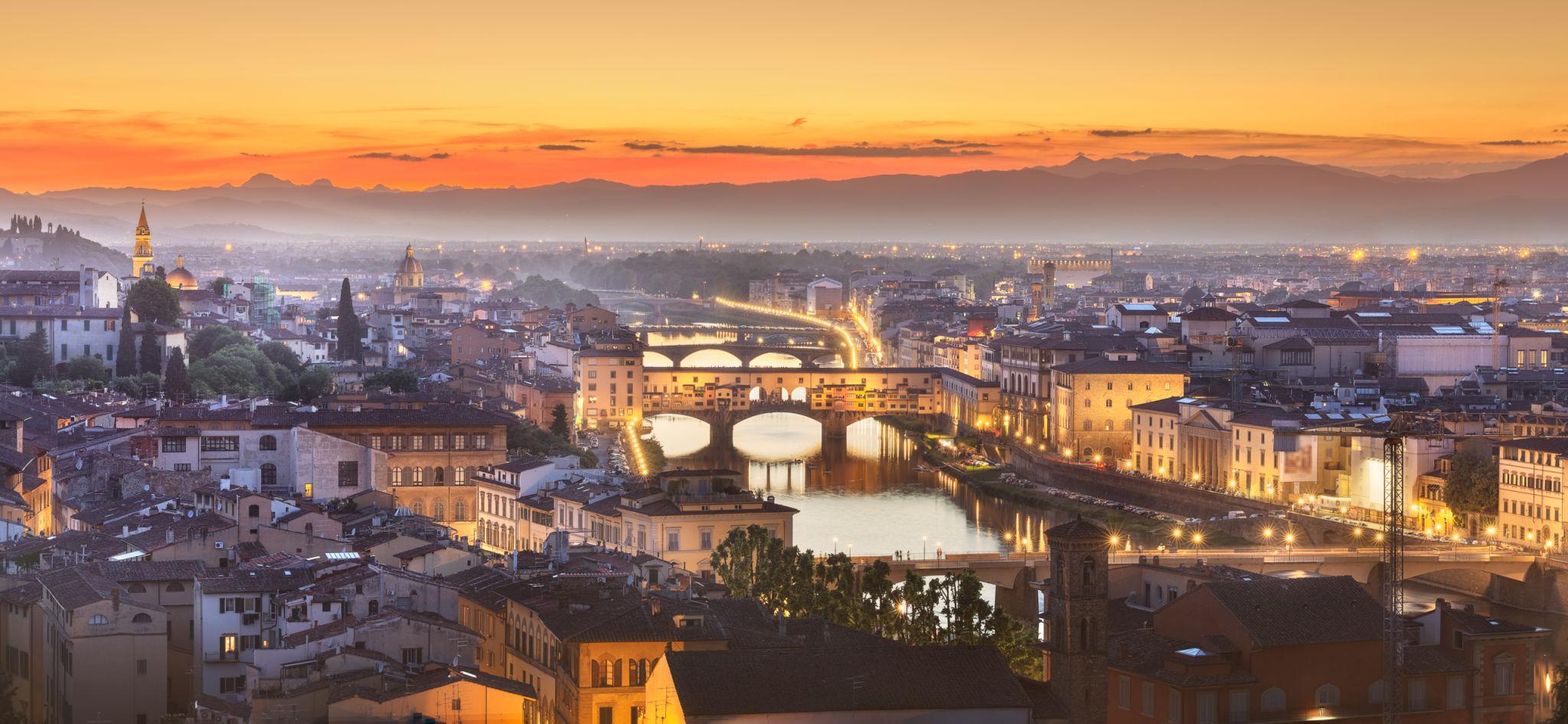
Florence sits close enough to working farms, olive groves, and vegetable gardens that a cooking class here can pull directly from both worlds. City energy and countryside ingredients, often within the same afternoon. That proximity matters, because Tuscan food was never invented in isolation. It came from whatever the land nearby could produce.
What Does Pizza Actually Teach?
Pizza looks simple and rewards almost nobody who treats it that way. The dough is only flour, water, yeast, and salt. Timing decides everything. Too little rest and the crust turns dense. Too much handling and you knock out the air that gives it character. The most famous version, the Margherita, comes with a well-known origin story from 1889. Naples pizzaiolo Raffaele Esposito reportedly created it for Queen Margherita of Savoy, using tomato, mozzarella, and basil to match the colors of the Italian flag. Historians have since picked the story apart. The supposed thank-you letter from the royal household shows inconsistencies, suggesting it may be a later addition to the legend. But the pizza itself became real enough to earn Neapolitan pizza an official STG designation from the EU in 2010, protecting the traditional method.
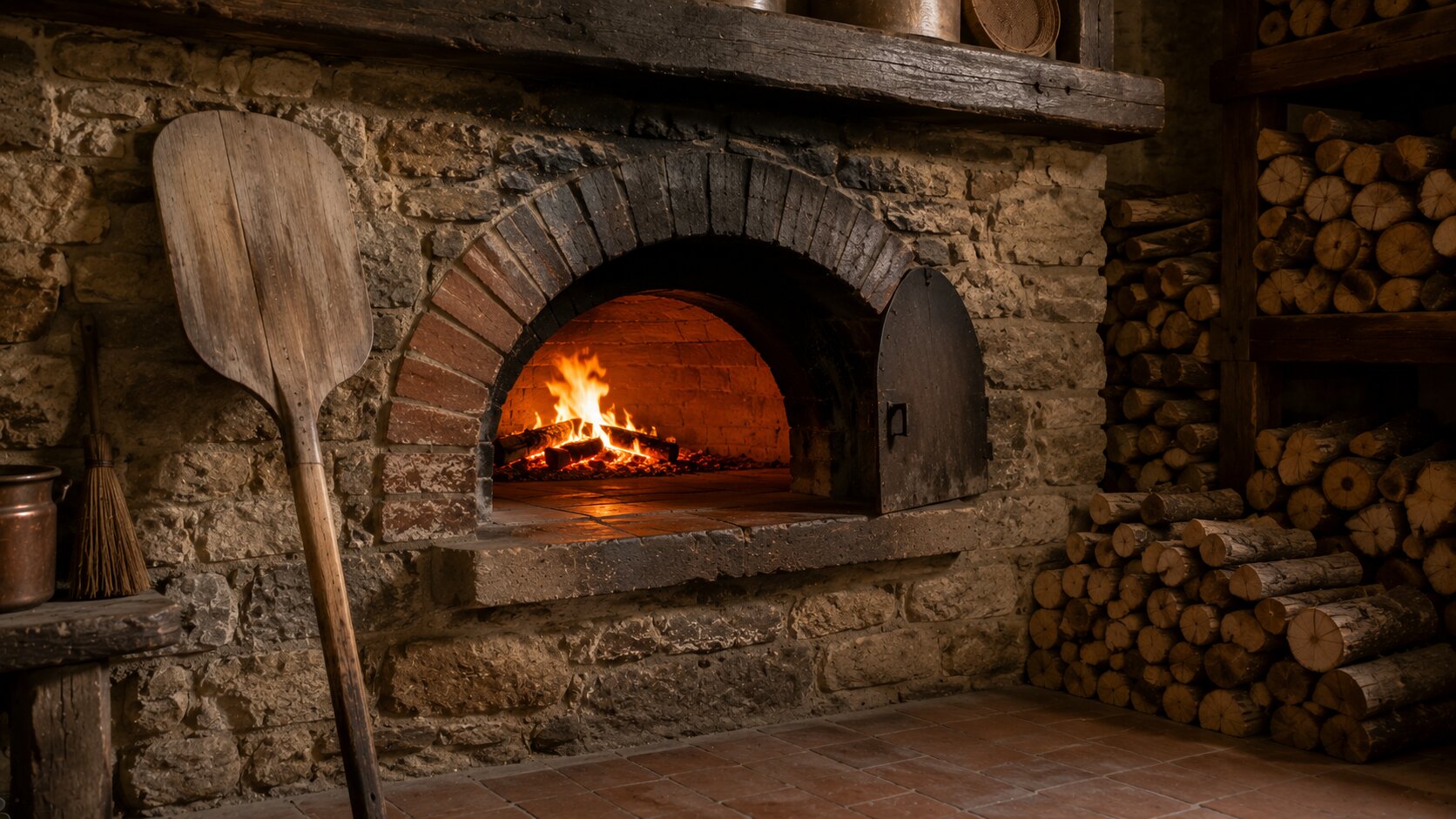
None of that history matters as much as the wood-fired oven does on the day itself. At high heat, a pizza cooks in minutes, which leaves almost no room for hesitation once the dough goes in. That single constraint teaches something most home cooking never does. Sometimes the skill is knowing exactly when to stop adjusting and let the oven do its work.
What Pasta Teaches Instead
Handmade pasta rewards patience in a completely different way. A small number of ingredients, but every motion, mixing, kneading, rolling, shaping, changes the final texture. Different shapes exist for real reasons. A wide ribbon holds a heavy ragù. A thin strand carries a lighter sauce. A rough surface grips something like cacio e pepe — the Roman classic built from just pasta water, pecorino, and cracked black pepper — better than a smooth one ever could. Our guide to fresh pasta making classes in Tuscany goes deeper into the specific shapes and techniques behind this tradition.
The Science Hiding Inside the Gelato
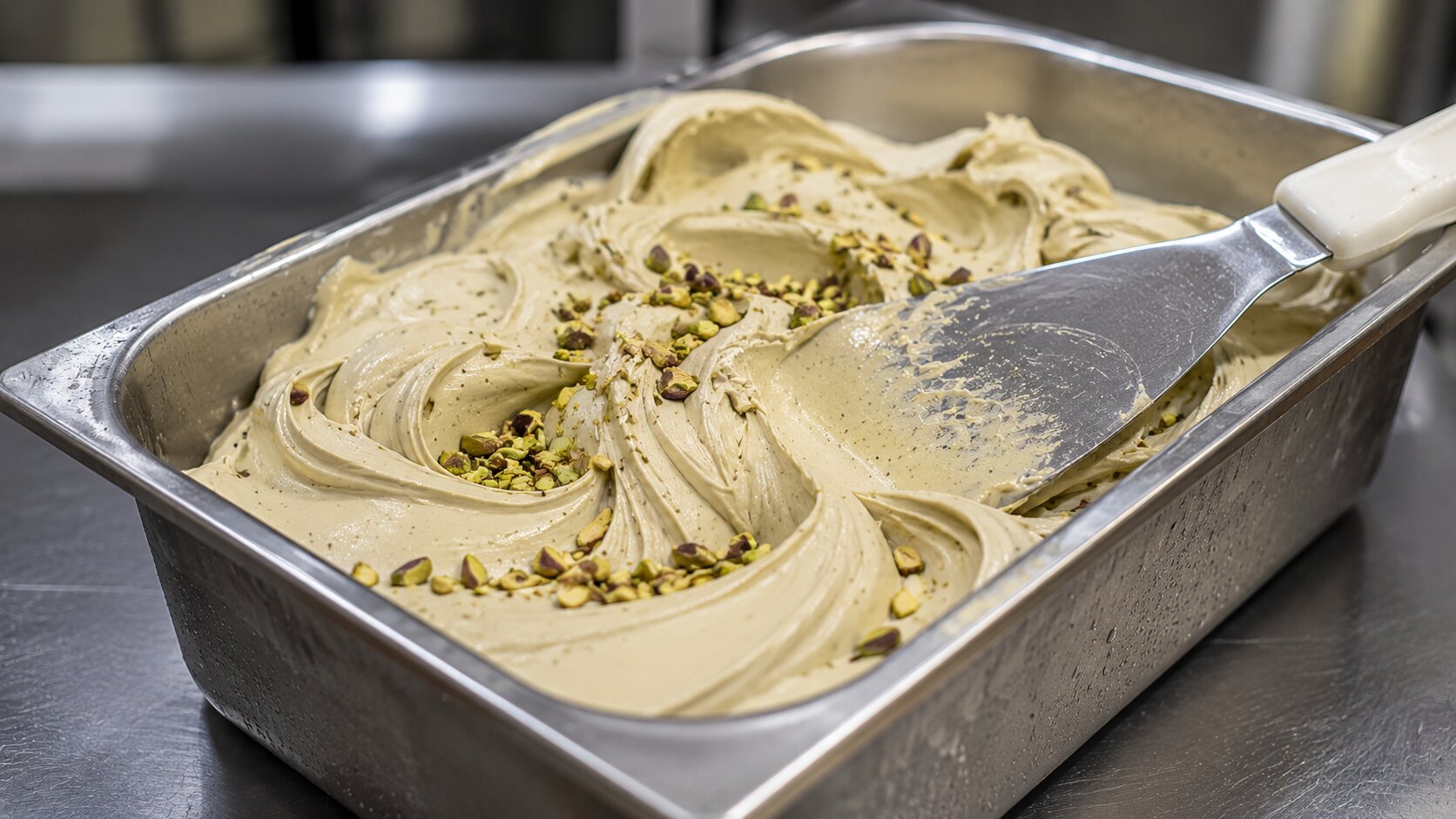
Gelato introduces a different kind of lesson entirely: physics, not just technique. Regular ice cream traps 30-50% air during churning. Gelato churns slower and traps less, which is part of why it tastes denser and richer already. Liquid nitrogen changes the equation again. It boils at -196°C, cold enough to flash-freeze a gelato base in under two minutes. A standard machine needs an hour or more to do the same job. That speed matters because ice crystal size determines texture. Rapid freezing produces crystals roughly 10 to 100 times smaller than slow freezing does. Small enough that your tongue never detects them as anything but smooth. The technique itself isn't new. English food writer Agnes Marshall first proposed freezing ice cream with liquid nitrogen back in 1890, in her book Fancy Ices. That's nearly eighty years before anyone actually built the equipment to do it well.
Why Guidance Changes What You Actually Learn
A skilled chef does more than demonstrate the steps in order. Good instruction explains why a technique matters, not just how to perform it. A sticky dough or a torn pasta sheet becomes part of the lesson, rather than a failure to feel bad about. That kind of correction happens in real time, tied to what's actually in front of you. It teaches faster than any recipe or cooking show ever could.
Why the Farmhouse Setting Matters
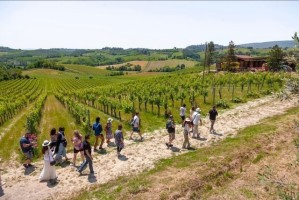
Cooking in a countryside kitchen surrounded by a working garden changes the pace of the whole day. Picking your own vegetables before cooking with them makes seasonality tangible instead of theoretical. The meal starts to feel like something that actually began outside, not on a supermarket shelf. Our guide to Tuscan cooking classes with local chefs covers more of that connection between land and kitchen.
What Stays With You Afterward
The recipe rarely turns out to be the real souvenir. What sticks is the feel of properly kneaded dough. The sound of a wood oven at full heat. The exact moment liquid nitrogen turns a liquid base solid in a cloud of vapor. Those details explain something a printed recipe never quite manages. Good Italian food usually comes down to restraint and timing, not more ingredients.
Ready to pick your own ingredients and cook them the same afternoon? Our Florence Pizza or Pasta Cooking Class with Gelato Making takes you to a private Tuscan estate. Expect a hands-on class with a professional chef, garden-fresh ingredients, and liquid nitrogen gelato to finish.