In this post
- Spring in Pisa: Mild Weather Before the Crowds Arrive
- Summer in Pisa: Peak Season and Long Days
- Is Autumn the Best Time to Visit Pisa for Fewer Crowds?
- Winter in Pisa: Quiet Streets and a Different Atmosphere
- Best Time to Visit Pisa for a Tuscany Day Trip
- Choosing a Season That Fits Your Wider Tuscany Itinerary
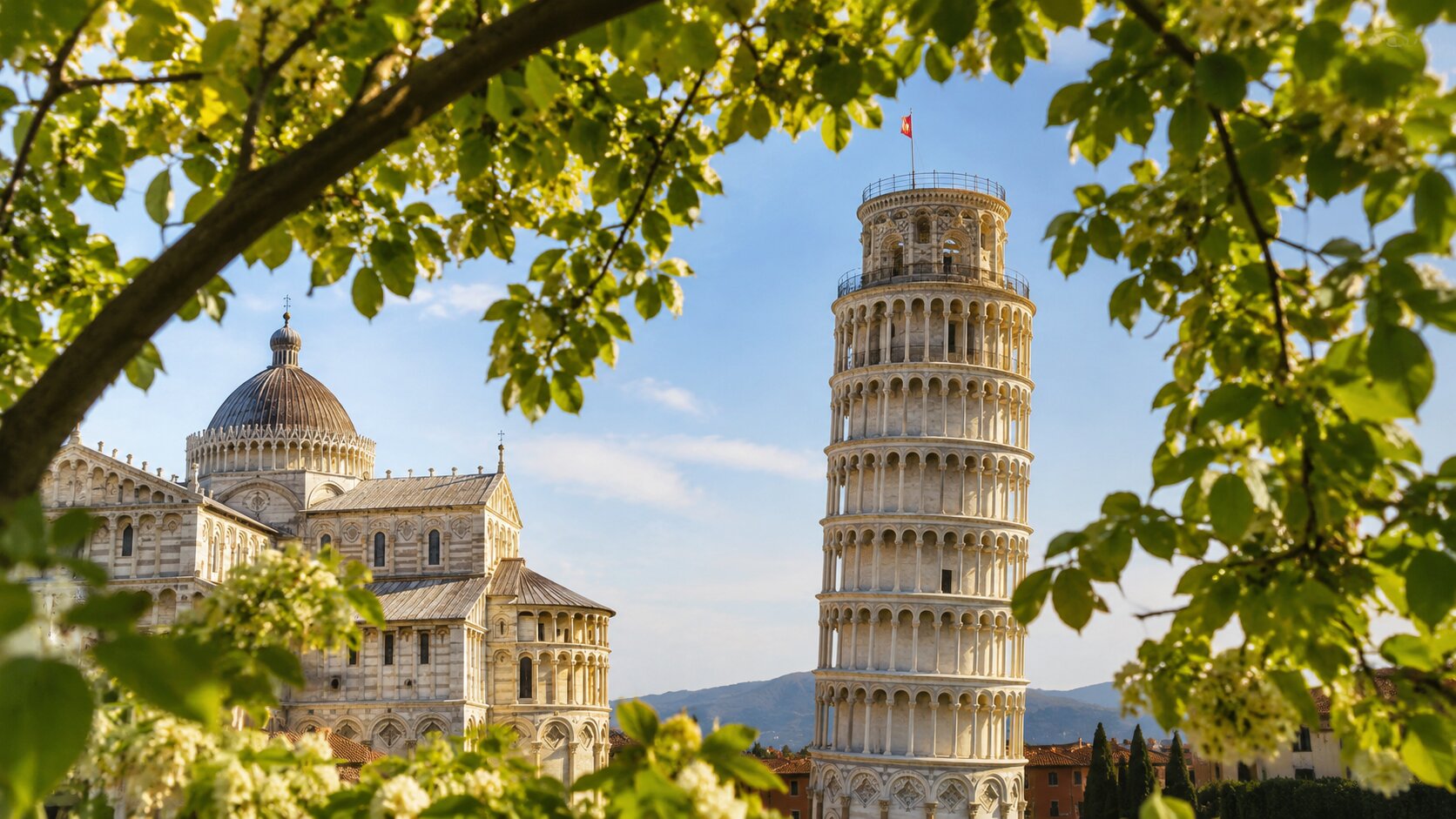
Travelers planning a Tuscany itinerary often ask the same question: what is the best time to visit Pisa? The answer depends less on a single "perfect month" and more on what you want from the city — mild weather, quieter monuments, or long summer days for exploring. Understanding how Pisa changes across the seasons makes it easier to decide when this Tuscan city fits best into your trip.
Pisa's character shifts noticeably throughout the year. Piazza dei Miracoli feels different in April than it does in August, and the surrounding Tuscan countryside follows its own seasonal rhythm too. Here is how each season shapes a visit to Pisa, and why the best time to visit Pisa often comes down to pairing the right season with the right itinerary.
Spring in Pisa: Mild Weather Before the Crowds Arrive
Spring is frequently mentioned as the best season to visit Pisa, and for good reason. Temperatures stay comfortable for walking, the Tuscan countryside turns green, and Piazza dei Miracoli has not yet reached its summer intensity.
April and May offer some of the most balanced conditions of the year. Days are warm enough for extended time outdoors, yet the heat that defines July and August has not arrived. Photographers in particular benefit from this window, since softer light and thinner crowds make the square's marble façades easier to appreciate. Our guide to Piazza dei Miracoli explained looks at how light and timing shape the experience of the square in more depth.
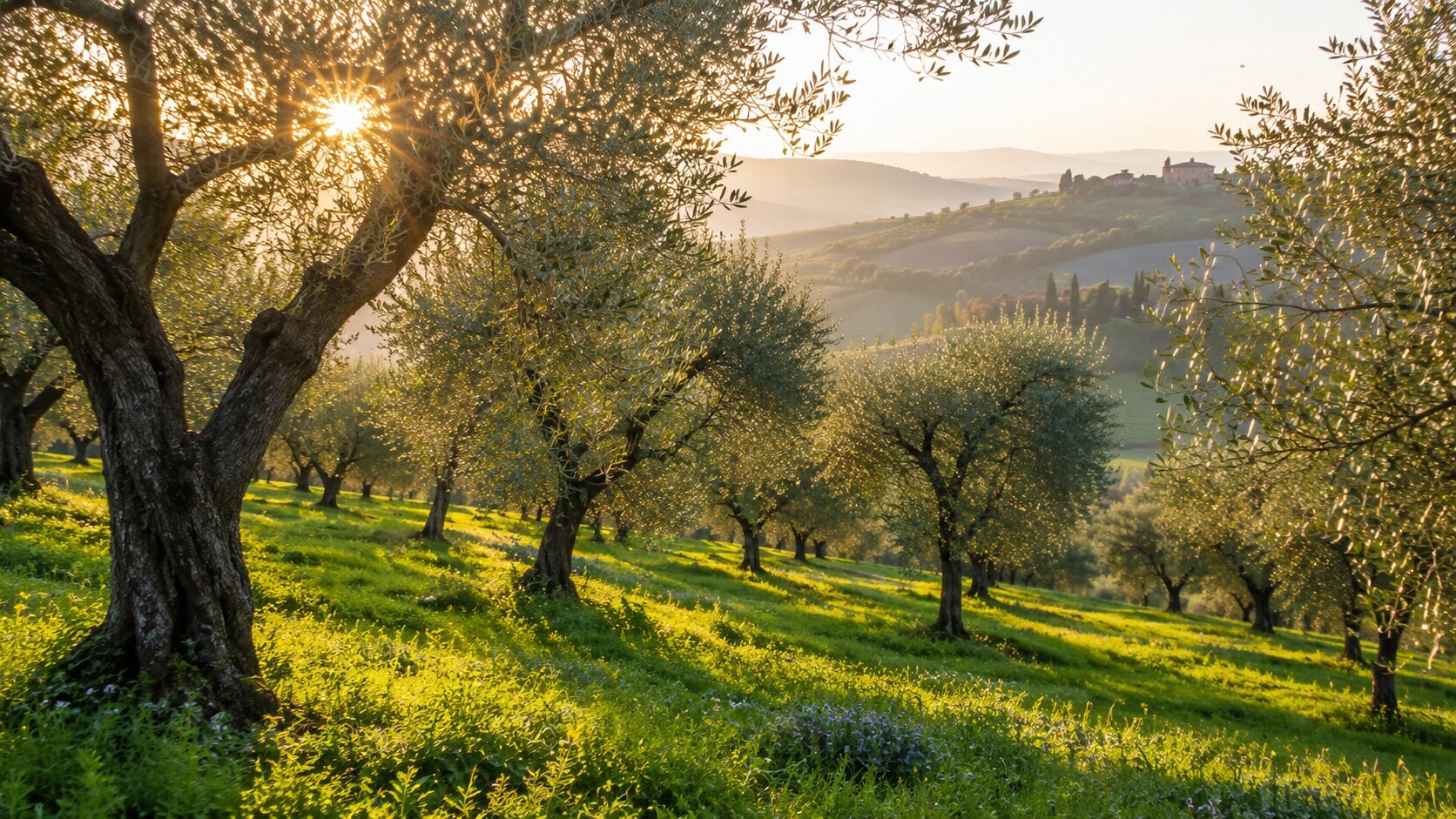
Spring also marks the point in the year when the Tuscan countryside starts to feel most alive. Vineyards begin their growing season, olive groves turn a brighter green, and the hills around Siena and San Gimignano take on a color that photographs particularly well. For travelers weighing up seasons, this wider landscape context matters just as much as the weather in Pisa itself.
Summer in Pisa: Peak Season and Long Days
Summer brings the largest number of visitors to Pisa, and the Leaning Tower draws crowds throughout the day. Long daylight hours mean more time for sightseeing, but the trade-off is heat, particularly in July and August when temperatures regularly climb into the low thirties.
Despite the intensity, summer remains a popular choice for travelers building a single Tuscany day out of several destinations. Long days make it possible to see more within one itinerary, and Pisa's compact layout around Piazza dei Miracoli means the essential sights can be experienced without needing the whole day dedicated to the city alone.
Heat is the main factor to plan around. Midday sun flattens the open space of Piazza dei Miracoli and can make an extended stay less comfortable, so many visitors prefer to treat Pisa as one stop within a broader day rather than lingering for hours in the square itself. A shaded lunch break in the Tuscan countryside, timed around the hottest part of the afternoon, is often the more comfortable way to structure a summer visit.
Is Autumn the Best Time to Visit Pisa for Fewer Crowds?
September and October are often considered the best time to visit Pisa for travelers who want summer-like weather without summer-sized crowds. Temperatures remain pleasant well into October, while visitor numbers begin to ease after the peak months.
Autumn also brings a softer, more golden quality to the light across Piazza dei Miracoli, similar to spring but paired with a slightly different atmosphere in the surrounding Tuscan hills, where the grape harvest is in full swing. For travelers combining Pisa with a countryside stop, this seasonal timing adds another layer to the day, since vineyards are at their most active and the countryside takes on warmer, richer tones than at any other point in the year.
Early October in particular tends to strike a balance many travelers look for: warm enough for a full day outdoors, cool enough to walk comfortably through Siena's streets or San Gimignano's hilltop lanes before finishing at Piazza dei Miracoli later in the day.
Winter in Pisa: Quiet Streets and a Different Atmosphere
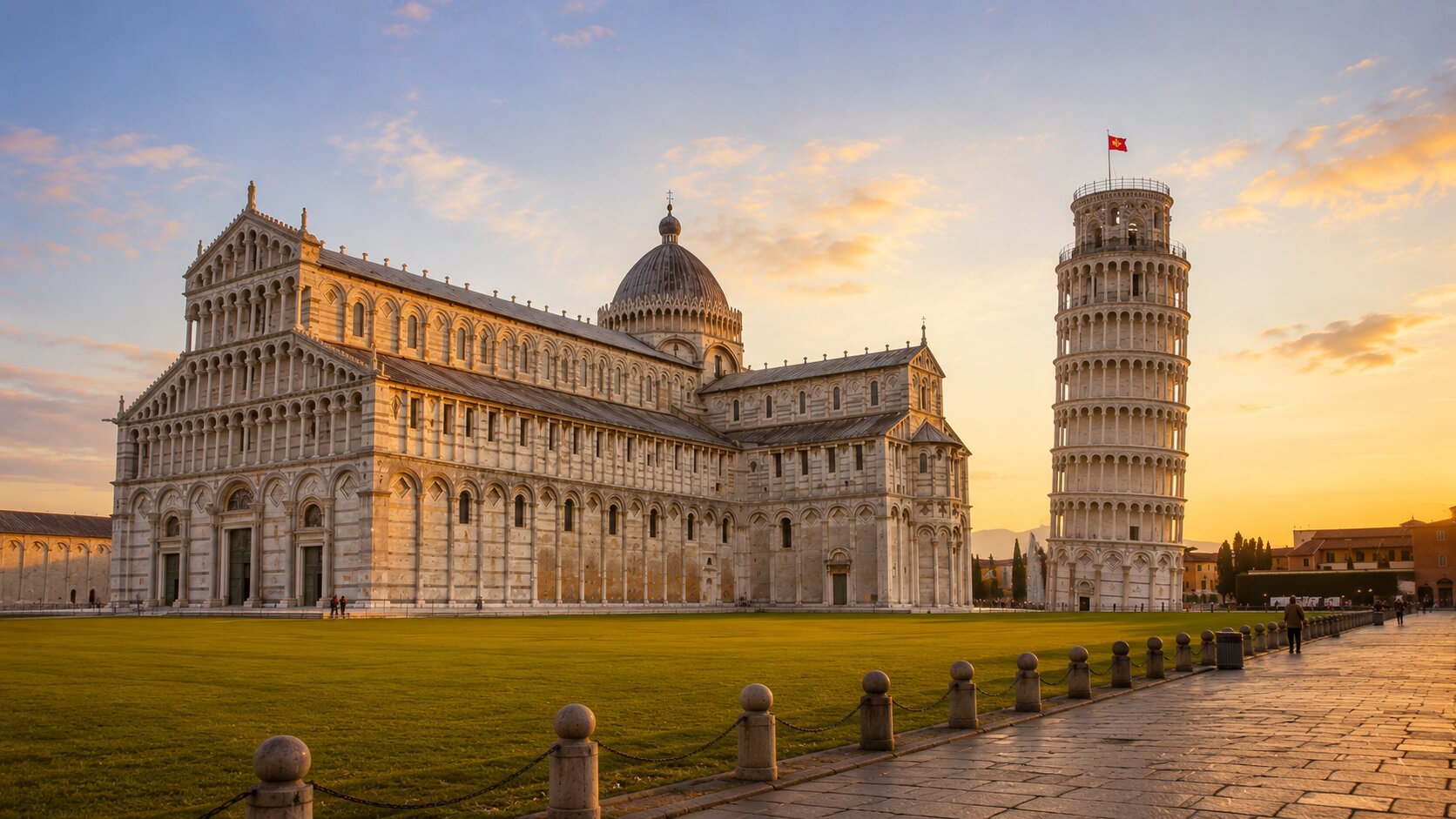
Winter is the quietest season in Pisa, and it offers a noticeably different experience of Piazza dei Miracoli. With fewer visitors moving through the square, there is more space to appreciate the relationship between the Tower, the Cathedral, and the Baptistery without the density of a summer afternoon.
Temperatures are cooler and rain is more frequent between November and February, but Pisa rarely experiences harsh winter weather. For travelers prioritizing atmosphere over warmth, winter can be a rewarding, if less conventional, time to explore the city.
Winter also changes the character of the wider Tuscan countryside. The vineyards around Chianti settle into their dormant season, and the hills take on muted, earthy tones rather than the bright green of spring or the gold of autumn. It is a quieter version of Tuscany overall, which some travelers find just as appealing as the busier months.
Best Time to Visit Pisa for a Tuscany Day Trip
For most travelers, Pisa is not visited in isolation. It usually forms part of a wider day through Tuscany, alongside destinations like Siena and San Gimignano. This changes the question slightly: the best time to visit Pisa becomes less about the single city and more about when the whole itinerary works best.
Late spring and early autumn tend to suit this kind of day particularly well. Mild temperatures make walking through Siena's hills and Pisa's open square more comfortable, while the Tuscan countryside between the two cities looks especially good under softer seasonal light. For a closer look at how to approach the city itself once you arrive, our guide on how to visit Pisa explains what to prioritize during a shorter visit.
Timing also affects how the day feels as a whole, not just how Pisa looks on its own. A cooler month makes the walking sections in Siena and San Gimignano more enjoyable, while a warmer one suits travelers who prioritize long, sunlit afternoons at the winery stop over comfortable walking conditions. Neither choice is wrong, since the destinations themselves stay largely the same throughout the year. What changes is the pace at which the day is best enjoyed, and how much time feels natural to spend outdoors between stops.
Choosing a Season That Fits Your Wider Tuscany Itinerary
Ultimately, there is no single best time to visit Pisa that suits every traveler. Spring and autumn offer the most balanced combination of mild weather and manageable crowds, summer suits those who want long days and don't mind the heat, and winter rewards travelers looking for a quieter, more contemplative version of the square.
Whichever season you choose, Pisa is easiest to enjoy as part of a well-organized day rather than a rushed stop. Our Best of Tuscany Day Trip from Florence brings Siena, San Gimignano, Pisa, and a traditional lunch at a Chianti winery together into one seamless day, with a local guide handling the pace and timing so you can focus on the places themselves rather than the logistics of getting between them.