In this post
- Siena vs Pisa: Two Different Faces of Tuscany
- Siena vs Pisa: Atmosphere and Character
- Siena vs Pisa: Architecture and Historic Landmarks
- Siena vs Pisa: How Much Time Should You Spend?
- Siena vs Pisa for First-Time Visitors
- Siena vs Pisa: Which City Feels More Tuscan?
- Siena vs Pisa: Which City Is Better for Photography?
- Can You Visit Siena and Pisa in One Day?
- Siena vs Pisa: Which Should You Choose?
- The Best Answer May Be Both
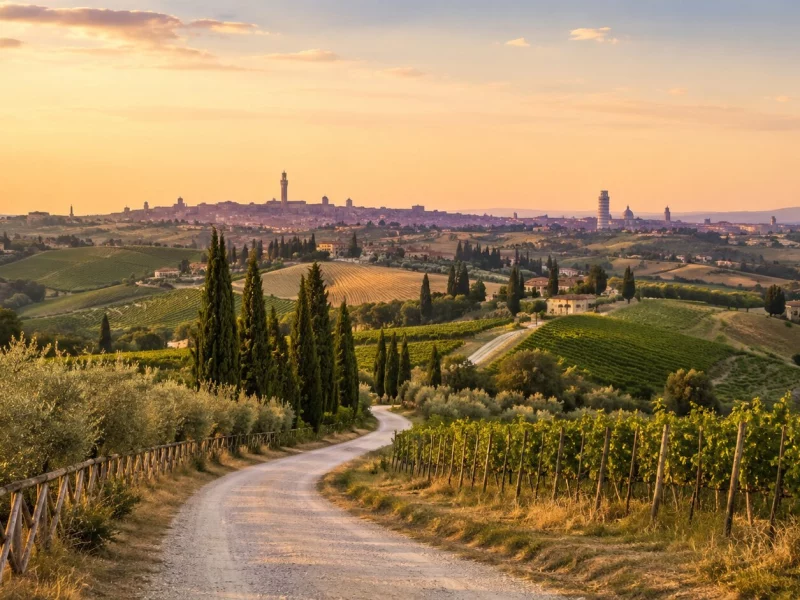
Siena vs Pisa is one of the most common comparisons travelers make when planning a trip through Tuscany. Both cities are among the region's most important historic destinations, both are easy to reach from Florence, and both reveal different sides of Tuscany's history and identity.
Yet they should not be considered interchangeable.
Siena and Pisa were shaped by very different ambitions. Siena became one of medieval Europe's most influential inland republics, while Pisa built its wealth through maritime trade and its strategic position on the Arno River. Those different histories continue to define how each city feels today.
The question is therefore not simply which city is more beautiful. It is which one fits the kind of Tuscany you want to experience.
The Siena vs Pisa comparison often focuses on famous landmarks, but the real difference lies in atmosphere, history, pace, and the role each city plays within a wider journey through Tuscany.
Siena vs Pisa: Two Different Faces of Tuscany
Although both cities belong to Tuscany, they tell remarkably different stories.
Siena developed around commerce, banking, and civic identity. Walking through its streets feels like entering a city where medieval public life has remained largely intact. Piazza del Campo, the Palazzo Pubblico, and the Duomo are not isolated attractions but parts of a coherent urban landscape shaped over centuries.
Pisa followed another path. As one of the great Maritime Republics, its prosperity depended on trade routes, naval power, and its connection to the Mediterranean. Today, traces of that past survive through the city's Romanesque monuments, elegant riverfront, and architectural heritage.
Neither city represents Tuscany more authentically than the other.
Instead, Siena and Pisa complement one another by revealing two distinct historical identities that developed within the same region.
Siena vs Pisa: Atmosphere and Character
The atmosphere changes almost immediately after arriving.
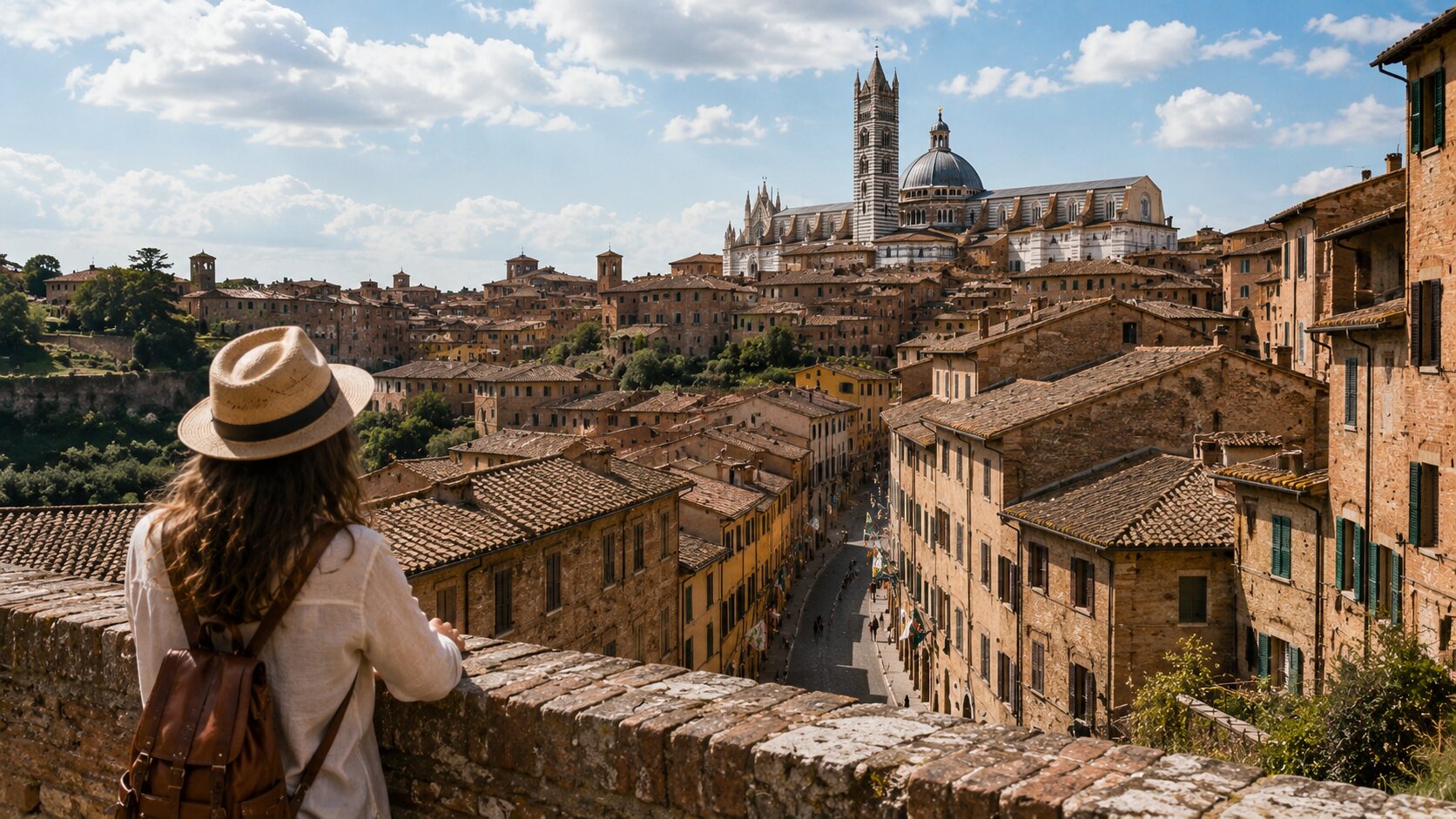
Siena feels intimate despite its size. Streets climb and descend across the hills, opening unexpectedly onto churches, small squares, and brick palaces. The city encourages wandering because every corner seems connected to another piece of its history.
Life continues naturally within the historic centre. Residents, students, cafés, and local businesses all contribute to an environment that feels genuinely lived in rather than preserved solely for tourism.
Pisa creates a different first impression.
Most visitors begin in Piazza dei Miracoli, where the Leaning Tower, Cathedral, and Baptistery stand within an unusually open space. Unlike Siena's enclosed streets, Pisa introduces itself through light, proportion, and monumental architecture.
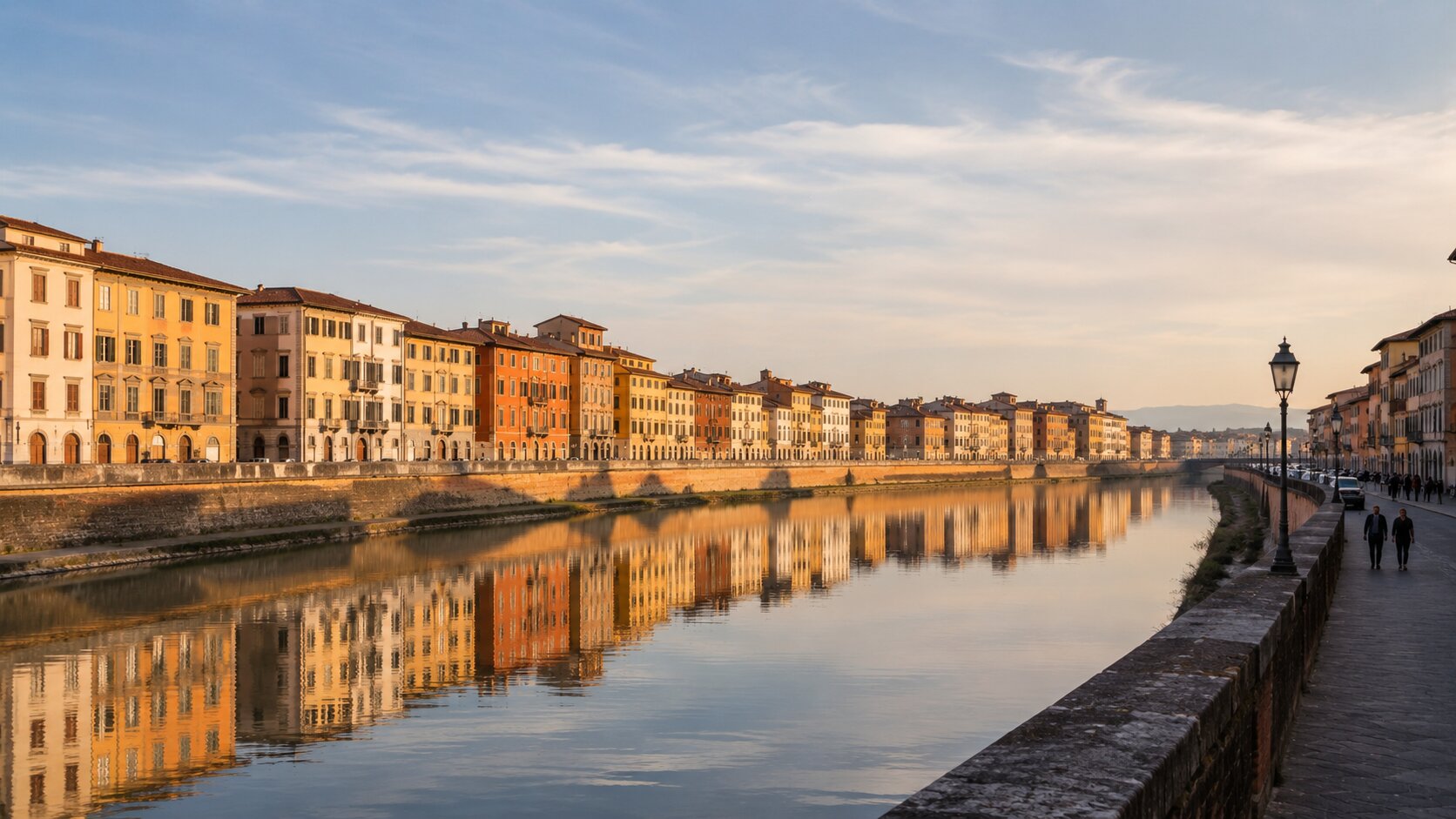
Once you leave the square, however, the rhythm changes. The streets become quieter, the Lungarno reveals elegant historic façades, and the city gradually feels more residential than many first-time visitors expect.
For travelers who continue exploring beyond the famous monuments, Pisa reveals a calmer and more reflective personality.
Siena vs Pisa: Architecture and Historic Landmarks
Architecture is perhaps the clearest distinction between the two destinations.
Siena impresses through continuity. The city itself is the attraction. Gothic buildings, narrow medieval streets, civic spaces, and carefully preserved architecture combine to create one of Europe's finest historic centres.
Pisa is organised differently.
Its most celebrated monuments are concentrated within Piazza dei Miracoli, where the Leaning Tower, Cathedral, and Baptistery form one of Italy's greatest Romanesque ensembles. Each building is remarkable individually, but together they create a composition that is recognised throughout the world.
Visitors who move beyond the square discover another side of Pisa. The Arno River, medieval walls, and quieter neighbourhoods add context to the city's better-known landmarks. If you are planning your visit, our guide on How to Visit Pisa explains how to experience the city beyond its iconic monuments.
Siena rewards travelers interested in medieval urban planning. Pisa appeals to those fascinated by monumental architecture and the city's maritime legacy.
Siena vs Pisa: How Much Time Should You Spend?
One of the biggest practical differences between Siena and Pisa is the amount of time each city generally requires.
Siena benefits from a slower pace. Exploring its streets, visiting the Duomo, spending time in Piazza del Campo, and discovering quieter corners often requires several hours. The city reveals itself gradually, making longer visits particularly rewarding.
Pisa is more compact from a visitor's perspective.
The principal monuments can be experienced within a few hours, especially when the visit is well organised. This makes Pisa particularly suitable for travelers who want to combine several Tuscan destinations within the same day.
This difference should not be interpreted as a question of quality.
Rather, it reflects two different ways of experiencing history. Siena asks visitors to immerse themselves in the city. Pisa presents its highlights more immediately while still rewarding those who venture beyond the main square.
Siena vs Pisa for First-Time Visitors
For many first-time visitors, Siena feels like the more complete medieval city.
Its civic history, remarkable Cathedral, and beautifully preserved streets provide a deep understanding of Tuscany's medieval identity. Travelers interested in architecture, history, and urban planning often find Siena one of the highlights of their entire trip.
Pisa offers a different type of experience.
The Leaning Tower remains one of Europe's most recognisable landmarks, but the city also introduces visitors to Tuscany's maritime history and Romanesque architecture. Those who spend a little longer there usually discover that Pisa extends far beyond the famous square.
If your itinerary already includes Florence, Siena adds medieval civic grandeur, while Pisa introduces a completely different historical perspective.
For travelers also deciding between Siena and another famous Tuscan destination, our comparison of Siena vs San Gimignano explains how Siena differs from Tuscany's iconic hill towns.
Siena vs Pisa: Which City Feels More Tuscan?
This is perhaps the most difficult question to answer because it depends entirely on what you expect from Tuscany.
If your idea of the region is shaped by medieval streets, Gothic architecture, lively piazzas, and centuries of civic history, Siena is likely to feel closer to that image. The city invites visitors to slow down, explore without a strict itinerary, and appreciate how architecture, public spaces, and daily life continue to coexist.
Pisa represents another side of Tuscany.
Its identity is less connected to hill towns and more closely linked to maritime power, Romanesque architecture, and one of Europe's most celebrated monumental complexes. It feels more spacious, more architectural, and often quieter once you leave Piazza dei Miracoli behind.
Rather than asking which city is more Tuscan, it is perhaps more useful to recognise that Tuscany has never had a single identity. Siena and Pisa simply reveal different chapters of the same regional story.
Siena vs Pisa: Which City Is Better for Photography?
Photography highlights another interesting contrast.
Siena rewards observation. The city's most memorable photographs often emerge unexpectedly, perhaps from a narrow medieval street opening onto Piazza del Campo, or from the changing light reflecting across its warm brick buildings. The experience is less about individual landmarks and more about atmosphere.
Pisa is immediately recognisable.
Piazza dei Miracoli offers one of Italy's most iconic compositions, yet the city also rewards photographers who continue beyond the famous square. The Lungarno, medieval streets, historic bridges, and quieter neighbourhoods provide a completely different visual language from the monuments that attract most visitors.
Neither destination is objectively more photogenic.
Siena appeals to travelers who enjoy capturing atmosphere and urban character, while Pisa offers stronger architectural icons alongside quieter opportunities for observation.
Can You Visit Siena and Pisa in One Day?
Yes, and for many travelers it is one of the most rewarding ways to discover Tuscany.
Because the two cities offer such different experiences, they complement rather than repeat one another. Siena introduces medieval civic history, Gothic architecture, and one of Italy's most beautiful historic centres. Pisa concludes the day with monumental Romanesque architecture and a completely different historical perspective.
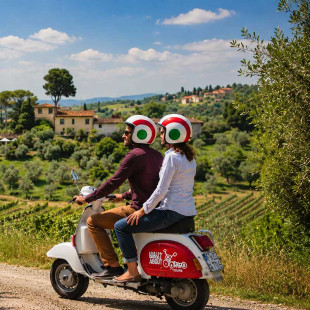
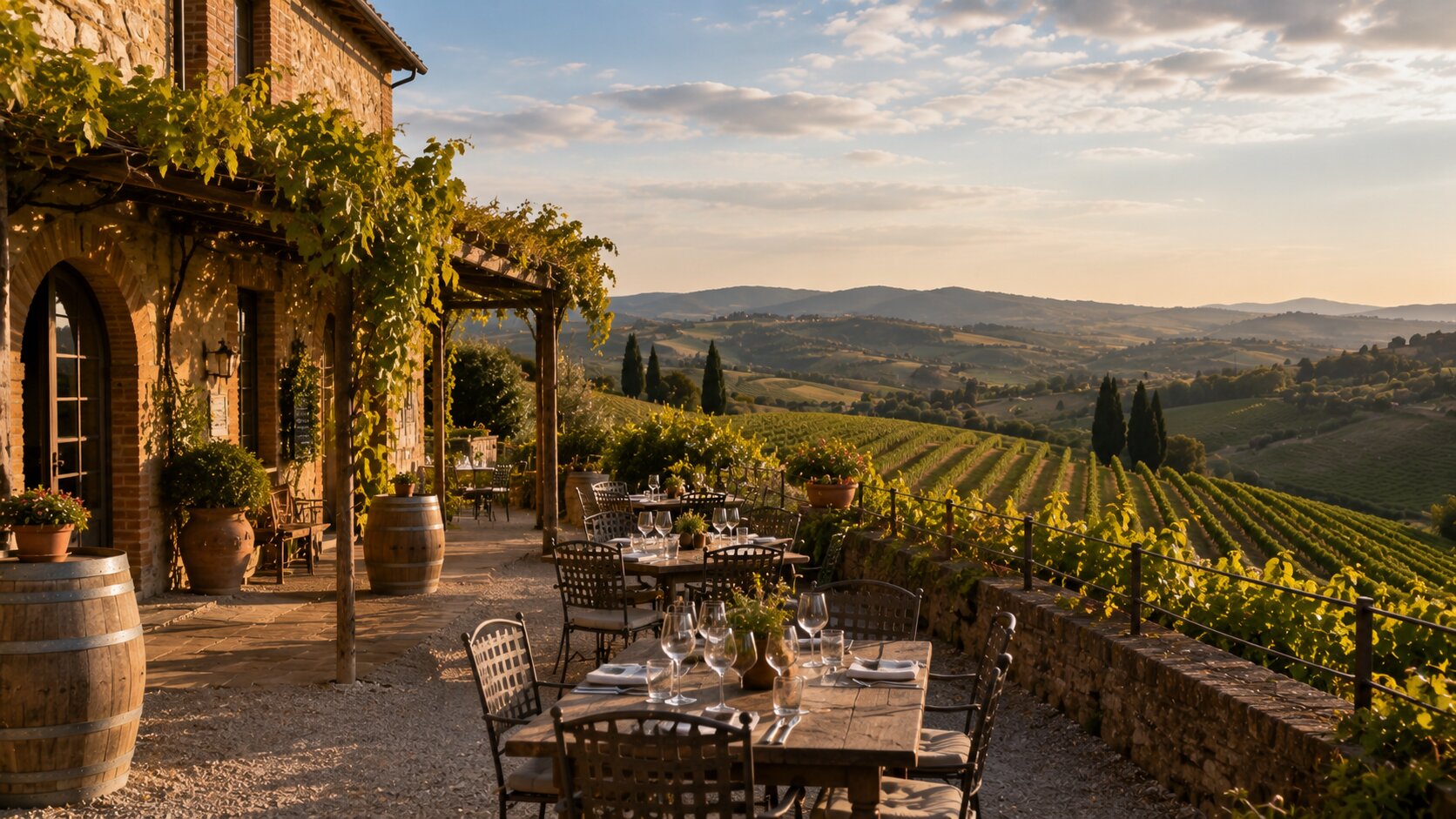
The countryside between them also becomes an essential part of the journey. Vineyards, olive groves, rolling hills, and historic estates connect the cities to the landscape that defines Tuscany just as much as its famous monuments.
When planned carefully, the day never feels like a race between attractions. Instead, it becomes a gradual transition between different expressions of the same region.
This balance is one of the reasons many visitors find the combination more rewarding than dedicating an entire day to only one destination.
Siena vs Pisa: Which Should You Choose?
If your itinerary allows time for only one city, the decision depends on what you hope to experience.
Choose Siena if you are looking for a richer medieval city, remarkable Gothic architecture, and an atmosphere that rewards slow exploration. It is particularly appealing to travelers interested in history, public spaces, and the evolution of one of Tuscany's most influential republics.
Choose Pisa if you want to experience one of Italy's most iconic monuments while discovering a city that extends well beyond the Leaning Tower. Its more compact layout makes it an excellent choice for travelers who want to include several destinations within the same day.
Ultimately, Siena vs Pisa is not about identifying a winner. It is about understanding which destination best matches your interests, your pace of travel, and the wider itinerary you are building through Tuscany.
The Best Answer May Be Both
Many travel comparisons encourage visitors to choose one destination over another.
Tuscany often rewards a different approach.
Siena and Pisa reveal contrasting identities that work remarkably well together. One represents medieval civic ambition and urban life. The other reflects maritime power, monumental architecture, and centuries of commercial influence.
Between them lies another essential part of the Tuscan experience: the countryside itself. Vineyards, olive groves, historic farmhouses, and hill towns create the landscape that connects these cities into a single, coherent journey.
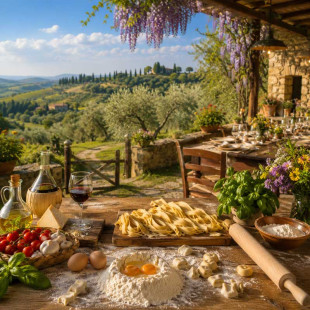
Adding San Gimignano introduces yet another perspective. Its medieval towers, compact historic centre, and hilltop setting offer a different atmosphere from both Siena and Pisa, while a traditional winery lunch provides the slower rhythm that helps balance the day.
Seen together, these destinations create a broader understanding of Tuscany than any one city could offer alone.
For travelers planning a Tuscany itinerary from Florence, the Siena vs Pisa comparison is rarely about choosing a winner. It is about discovering how two very different cities can complete the same journey.