In this post

A quick guide to the country's best sparkling wines – perfect for a summer evening or an excuse for celebrating. The best of the bubblies come from the north of Italy, but they are popular all over the country. Italians will drink sparkling wines for any occasion, and especially as an aperitif, served chilled or made into a cocktail, such as the Bellini, the famous Venetian drink that has taken the world by storm. Here is a quick guide on knowing your spumante from your prosecco.
Where the Best Italian Sparkling Wines Come From
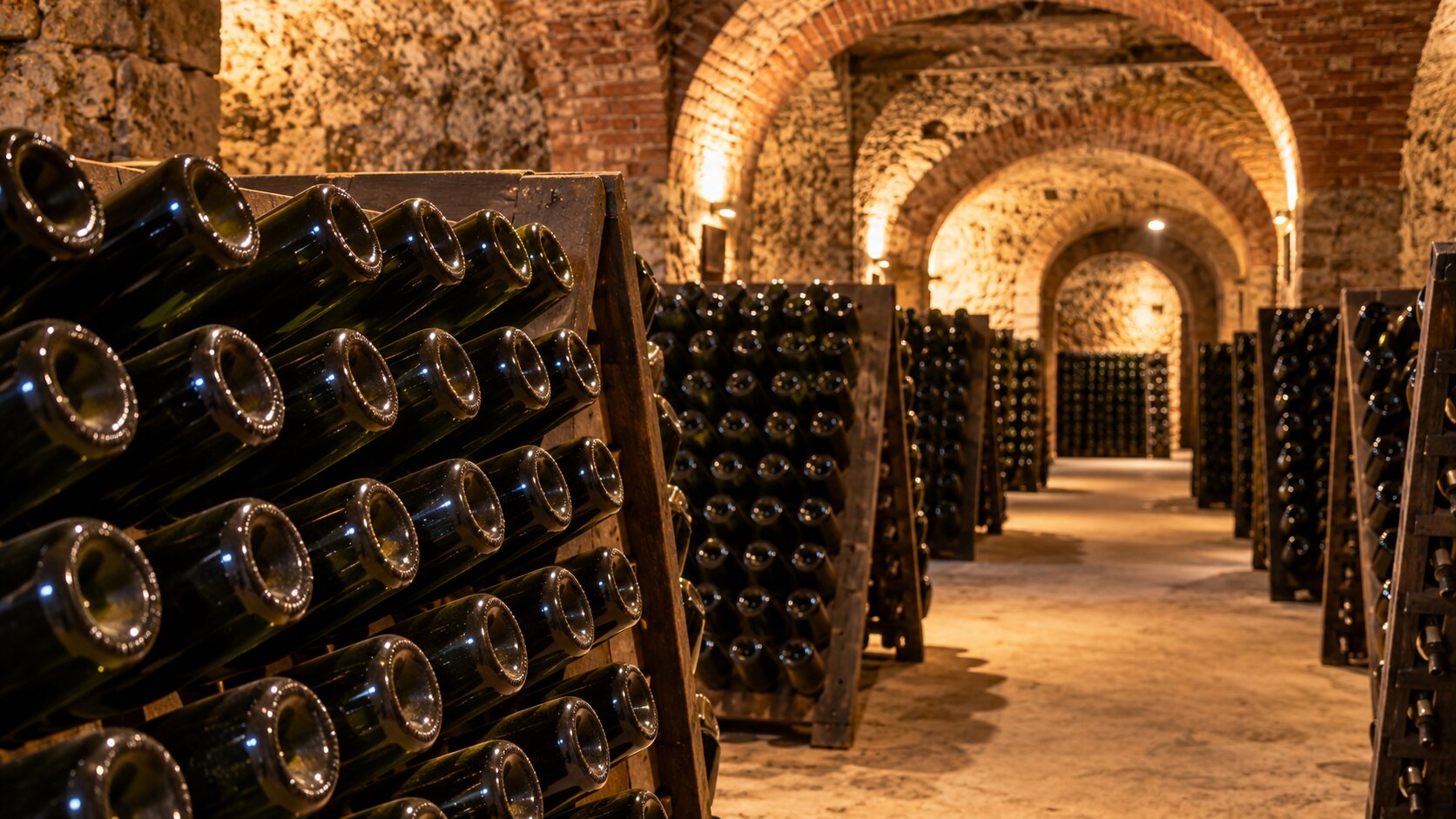
Spumante is a fine, pale straw-coloured sparkling wine, the best known of which comes from Franciacorta in the province of Brescia in the north of Italy. Fermented in the bottle, in the so-called “classic method,” and made with Chardonnay, Pinot Nero and Pinot Bianco grapes, it is produced similarly to a Champagne, although Italians will of course tell you theirs is better!
Franciacorta is a small patch of low hills just south of Lake Iseo, and it got its DOCG in 1995. The basic bottles spend at least 18 months on the lees, the vintage ones a good deal longer. Satèn on the label means white grapes only and a lower pressure. The fizz is softer and creamier. Of all the Italian sparkling wines it's probably the easiest to like if you're not a big fan of bubbles.
Further north, in Trentino, they use the same method for Trento DOC. Ferrari is the name you'll see behind almost every bar in Italy. The winery has made it in Trento since 1902. Nothing to do with the cars!
A decent Franciacorta or Trentodoc usually costs less here than a basic Champagne. That alone is reason enough to try one. Many waiters now pour it into an ordinary white wine glass. Plenty of Italian sommeliers have given up on the flute, because the wider bowl lets the aromas come through.
Spumante is produced all over the country, but if you want to try the best, go for Franciacorta. Prosecco, on the other hand, has its name protected much like Champagne, with DOCG status and is produced solely in the Veneto region.
From the Hills Near Venice: Prosecco
Prosecco is a dry, sparkling wine, made from grapes of the same name, but unlike spumante and Champagne, it is not fermented in the bottle but is produced using the Charmat method where the wine is fermented in steel tanks. Prosecco comes from the Veneto region, namely from Conegliano and Valdobbiadene in the province of Treviso, not far from Venice.
Prosecco was probably produced back in the Roman times, and is one of the oldest grape varieties around, meaning Italians have been enjoying this glass of bubbly for centuries. It is a crisp, aromatic wine, fresh, light and best drunk as soon as possible while it is still young. As Prosecco is relatively low in alcohol, it makes a perfect aperitif, or pre-dinner drink.
Today the grape's official name is Glera. Since 2009 the Prosecco DOC also takes in part of Friuli. For the good stuff, look for the word Superiore on the label next to Conegliano Valdobbiadene. Those hills are so steep that growers still tend most vines by hand. They've been a UNESCO site since 2019. Since 2020 there's also a Prosecco Rosé, with a little Pinot Nero in the blend.
Extra Dry is sweeter than Brut. Yes, really! If you like it bone dry, ask for a Brut. Serve it cold, around 6–8°C, and finish the bottle the same day. The old trick of a spoon in the neck doesn't really keep the bubbles.
And if a wine bar has a col fondo on the list, try a glass. It's cloudy and a bit yeasty. The second fermentation happens in the bottle, as it did before the steel tanks came along. Not for everyone.
Prosecco Cocktails and the Florentine Negroni
Although prosecco is often served on its own, you can order it mixed as well. Here are a few of the most common ways you can order it mixed in a cocktail to join the locals sipping their aperitifs:
- Bellini: prosecco and peach juice, a summer time favourite.
- Rossini: prosecco and fresh strawberries, a perfect spring time cocktail.
- Mimosa: prosecco and orange juice
- Tintoretto: prosecco and pomegranate juice, best in September and October when the fruit is mature
- Spritz: aperol or campari, prosecco and soda water
- Negroni sbagliato: martini rosso, campari and prosecco, a take on the Florentine negroni cocktail.
You can also at times find prosecco as an after dinner treat and palate-cleanser in the form of a Sgroppino: lemon sorbet and vodka with a touch of prosecco.
About the Spritz: Aperol makes it orange and sweetish, Campari makes it red and more bitter. In Venice you'll also hear people order it with Select, a bitter made in the city since the 1920s.
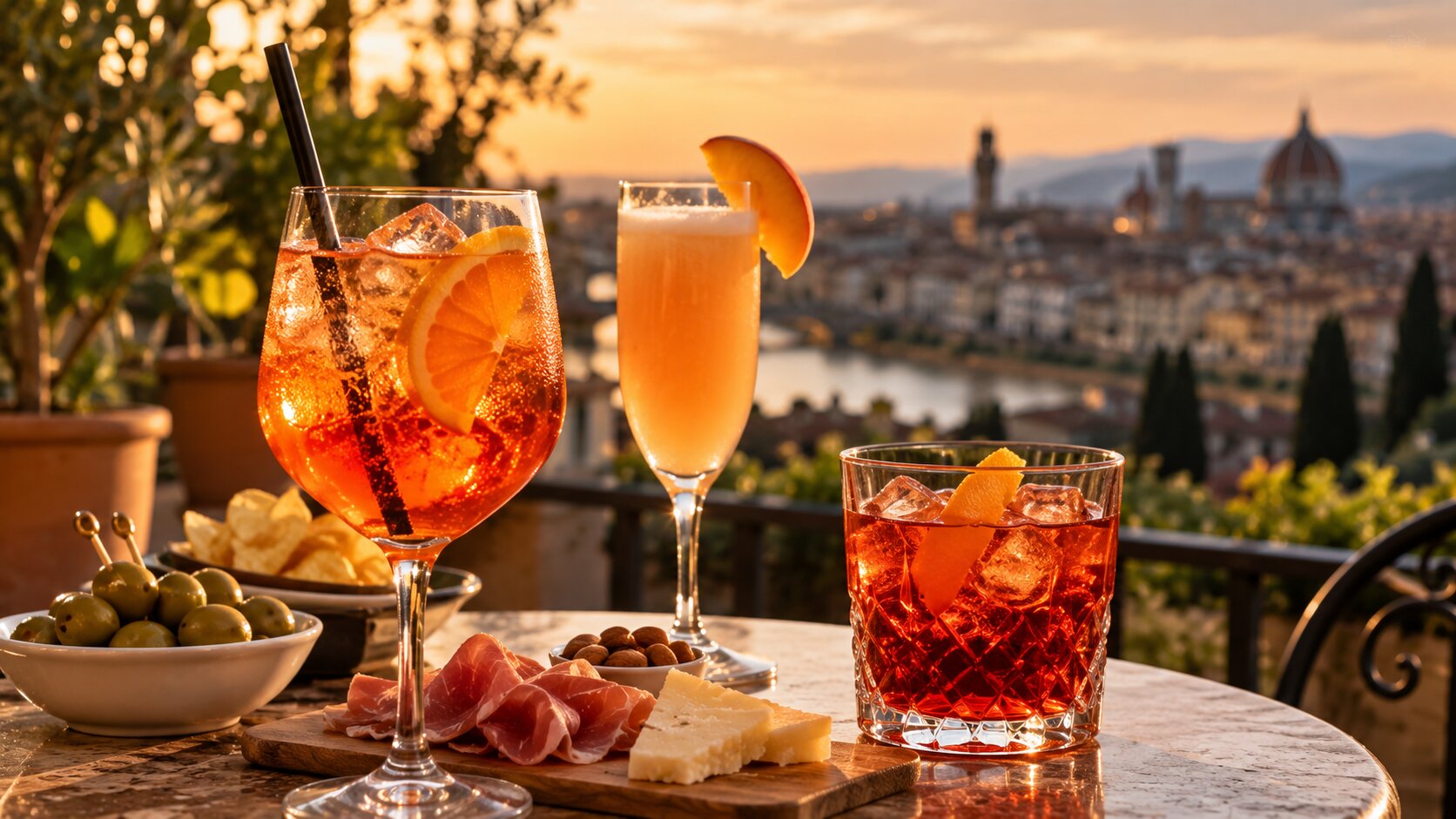
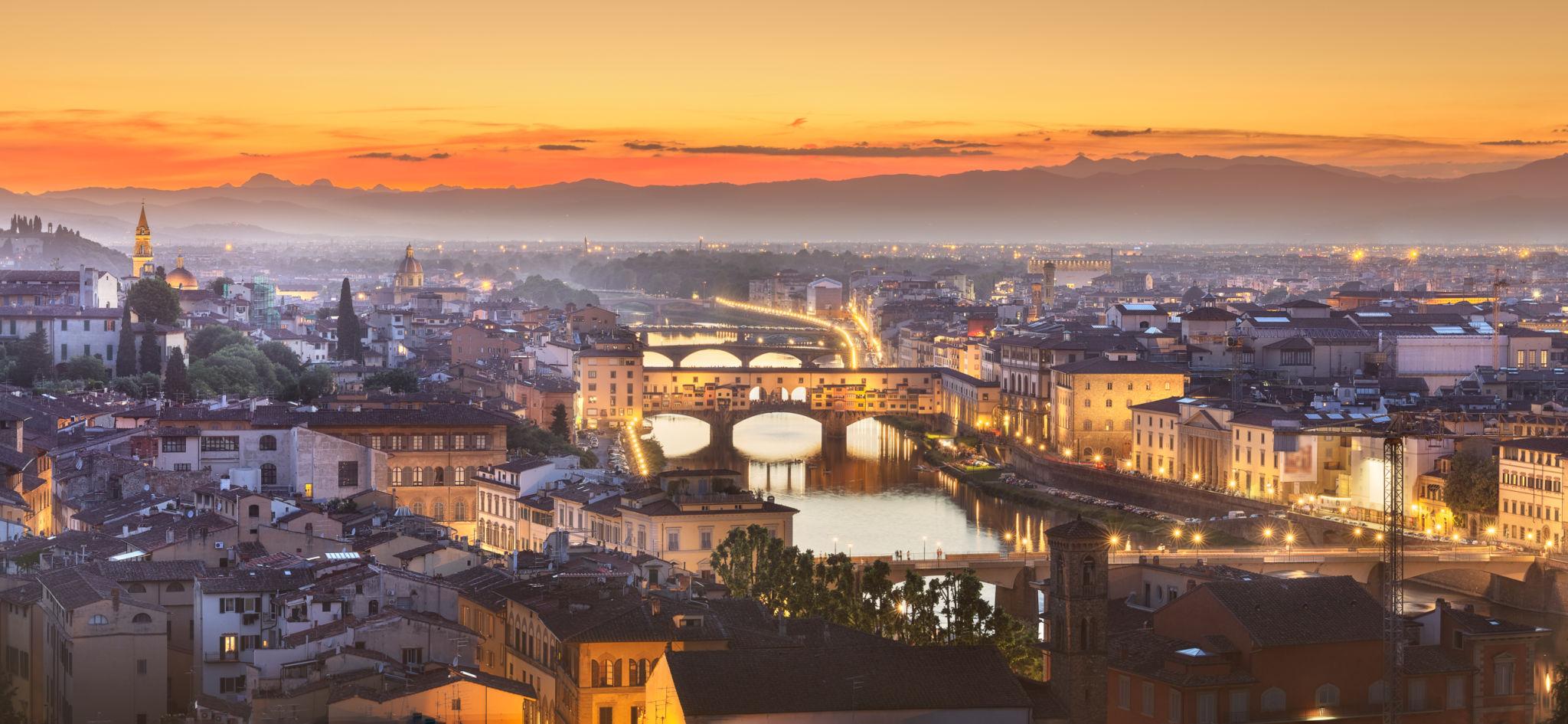
Ordering a Glass in Florence
The Negroni, by the way, is ours. The story goes that Count Camillo Negroni asked for gin instead of soda in his Americano. That was at Caffè Casoni on Via de' Tornabuoni, around 1919, and the bar later became Caffè Giacosa. The sbagliato came decades later, at Bar Basso in Milan. A bartender grabbed the spumante instead of the gin. The original is still equal parts gin, red vermouth and Campari, stirred over ice with a slice of orange.
With dessert, Moscato d'Asti from Piedmont does a better job than prosecco. It's sweet, lightly fizzy and only around 5% alcohol. Order a bottle when half the table doesn't really drink wine. At Christmas, plenty of Italian families still open its fully sparkling cousin, Asti, with the panettone.
In bars around Florence you can also just ask for “un calice di bollicine”, a glass of bubbles. Then see which Italian sparkling wines they have open that evening. If you'd rather choose, ask “cosa avete al calice?” and they'll tell you what's open by the glass. Aperitivo starts around seven. The glass comes with something to nibble, from crisps and olives to small crostini.
And in Tuscany?
Tuscany has never been bubbles country. The nearest you'll get is over the Apennines in Emilia-Romagna, where they drink Lambrusco. Forget the sweet versions sold abroad in the eighties. A dry Lambrusco di Sorbara is pale, sharp and lovely with a plate of mortadella. In Modena and Bologna it stays on the table for the whole meal, tortellini included.
Here the wine is red and it's mostly Sangiovese. Our local wine guide explains what a wine needs before it can carry the Chianti name. If you're planning a visit, there's also a piece on how to choose a winery in Chianti.
So drink your Prosecco in Venice and your Franciacorta by the lake. From Florence, though, it's the Chianti hills you want. On our Wine Safari the 4x4 leaves the tarmac and heads out through private vineyards. At the estates you taste Chianti Classico with sheep's cheese, salumi and extra virgin olive oil. Then comes a long Tuscan lunch at a winery restaurant. We meet in Piazza Stazione, by Santa Maria Novella, and there are morning, afternoon and full-day departures.