In this post
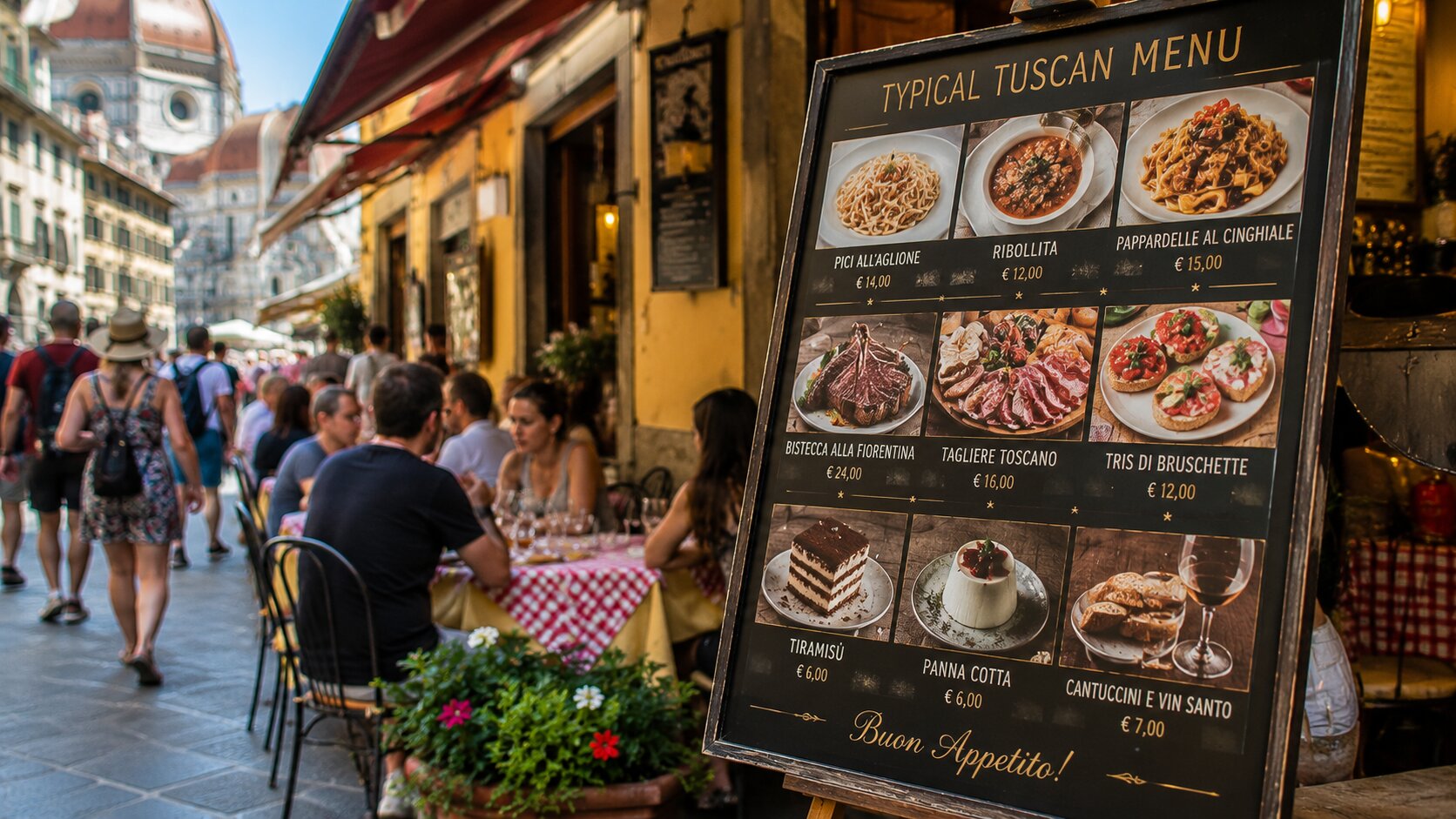
Understanding how to avoid tourist traps in Tuscany begins with a simple shift in perspective: the difference between visiting a place and truly experiencing it.
Tuscany is widely visited for a reason. Its cities, landscapes, and historic towns attract travelers from around the world. The challenge is not necessarily where you go, but how those places are experienced.
What many define as a tourist trap is often not a specific location, but a way of approaching it.
When Popular Doesn’t Mean Meaningful
Well-known destinations in Tuscany are not inherently superficial. Florence, San Gimignano, and the Chianti countryside offer remarkable depth when approached thoughtfully.
What often creates a sense of superficiality is not the place itself, but the way it is structured. Rushed visits, fixed routes, and limited context can reduce even the most significant locations to brief impressions.
In this sense, a tourist trap is not always a place. It is a way of experiencing it.
The Difference Between Seeing and Understanding
Travel experiences can be shaped in two fundamentally different ways.
One approach focuses on visibility. It prioritizes covering multiple highlights within a limited timeframe, often moving quickly from one stop to another.
The other focuses on understanding. It allows fewer places to unfold more fully, creating space for context, observation, and connection.
This distinction is explored in more depth in bespoke travel vs standard tours in Italy, where the structure of a journey becomes as important as the destinations themselves.
Timing Changes the Experience
Timing also plays a critical role. As explored in best time to visit San Gimignano, the same place can feel entirely different depending on when you experience it.
Early mornings and late afternoons often allow for a more balanced and less crowded experience, while midday tends to concentrate movement and activity.
Adjusting timing does not require changing destinations. It changes how those destinations are perceived.
The Role of Context
Experiences that lack context often feel generic, even in extraordinary settings.
Understanding why a place matters its history, its function, and its relationship to the surrounding landscape transforms the experience. A vineyard becomes more than scenery. A historic street becomes more than a path between landmarks.
Context creates depth, and depth is what distinguishes meaningful travel from superficial observation.
How to Avoid Tourist Traps in Tuscany Through Better Experiences
Avoiding tourist traps in Tuscany ultimately comes down to how experiences are selected.
Rather than focusing on a list of must-see locations, a more effective approach considers how each moment will unfold. Pace, flexibility, and the ability to adapt to individual interests all play a role.
Well-designed experiences remove unnecessary elements and allow the essential ones to emerge more clearly. They create continuity rather than fragmentation.

A More Thoughtful Way to Experience Tuscany
Tuscany does not require hidden locations to feel authentic. It requires attention.
By focusing on timing, context, and the structure of the experience, even the most visited places can reveal a deeper and more meaningful dimension.
Learning how to avoid tourist traps in Tuscany is not about avoiding places, but about choosing how you experience them.
In this way, avoiding tourist traps is not about exclusion.
It is about choosing how to experience what is already there.