In this post
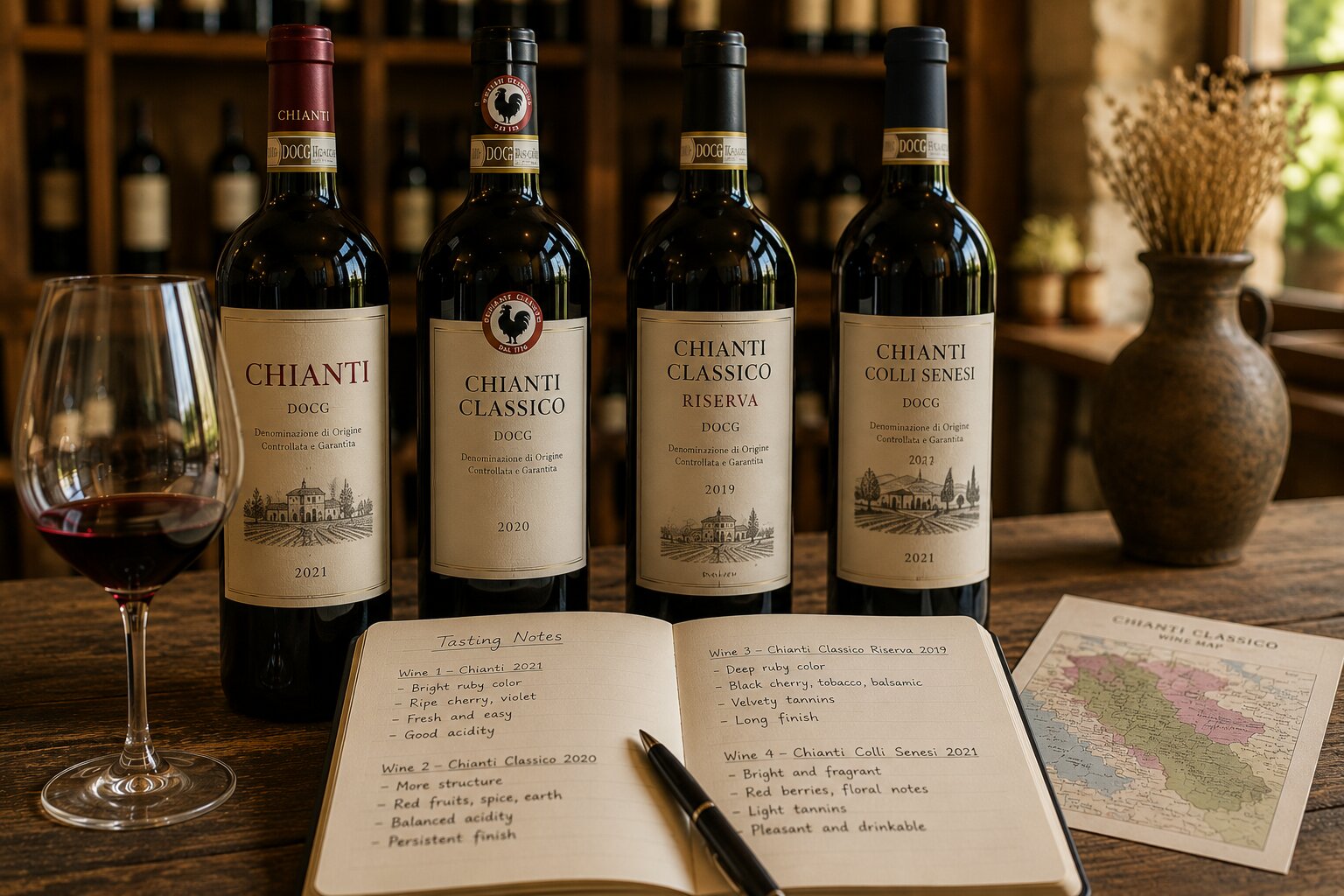
Understanding wine tasting etiquette in Tuscany is not about following strict rules, but about approaching the experience with awareness, respect, and attention to detail.
Wine tasting in this region is closely connected to culture, landscape, and tradition. What happens in the glass reflects not only the wine itself, but also the people and environment behind it.
Knowing how to behave during a tasting allows the experience to feel more natural, more engaging, and ultimately more meaningful.
Wine Tasting Etiquette Begins with Observation
A wine tasting does not begin with drinking.
Before tasting, take a moment to observe the wine. Its color, clarity, and movement in the glass already offer information about its structure and age.
This initial pause sets the tone. It slows the experience and creates space for attention, rather than rushing toward the result.
Take Your Time, Not Just a Sip
One of the most important aspects of wine tasting etiquette is pace.
Rather than approaching the tasting as a sequence of quick samples, it is more meaningful to spend time with each wine. Smell it more than once. Notice how it evolves in the glass. Take small sips instead of large ones.
This slower rhythm reflects how wine is experienced locally. It is not about quantity, but about perception.
Engage, Don’t Just Consume
Wine tastings in Tuscany are often conversational.
Whether you are speaking with a producer, a guide, or a member of the estate, asking questions is part of the experience. Curiosity is welcomed and often leads to a deeper understanding of the wine.
In many cases, what makes a tasting memorable is not only the wine itself, but the stories and context shared around it.
The Role of Context in Wine Tasting Etiquette
Wine does not exist in isolation. It reflects the land, the climate, and the decisions made in the vineyard and cellar.
Understanding this context changes how wine is perceived. As explored in how to choose a winery in Chianti, the type of estate you visit can significantly shape the tasting experience.
A small, family-run vineyard may offer a more personal and direct interaction, while larger estates often provide a more structured approach. Neither is inherently better, but each creates a different environment for the tasting.
Tasting Is Not About Finishing the Glass
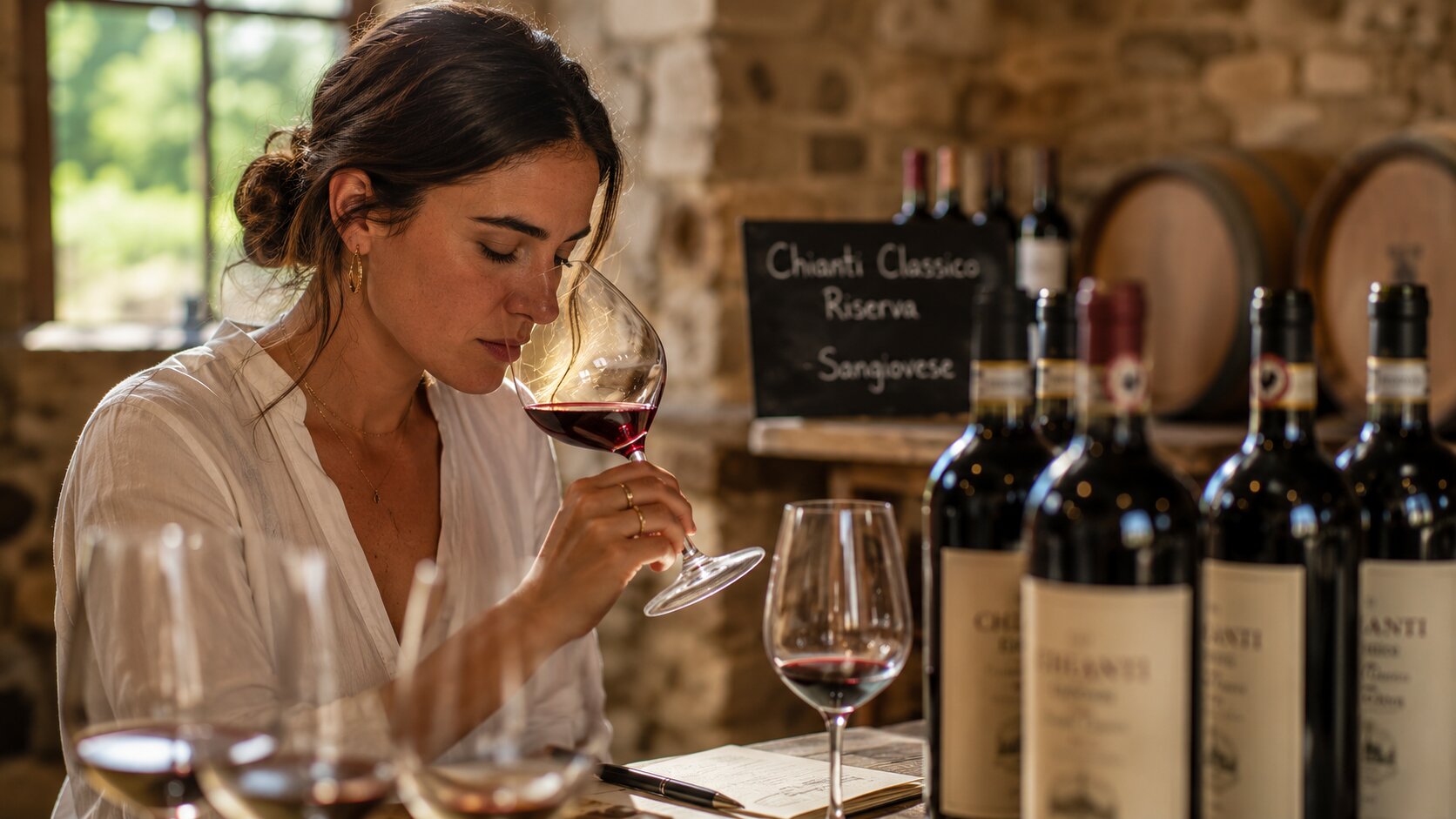
It is perfectly acceptable not to finish every glass during a tasting.
Wine tastings are designed for exploration, not consumption. Spitting, for example, is a normal and widely accepted practice, especially when tasting multiple wines.
This approach allows you to remain attentive and fully present throughout the experience.
Respect the Space and the Pace
Wineries in Tuscany are often working environments, not only visitor attractions.
Respecting the space means adapting to its rhythm. Avoid rushing ahead, speaking loudly, or treating the tasting as a casual stop between other activities.
A more attentive presence tends to be reflected in the quality of the experience itself.
A More Natural Way to Experience Wine
Wine tasting etiquette is not about performance. It is about presence.
By slowing down, observing, and engaging with context, the experience becomes more than a series of tastings. It becomes a way of understanding how wine, landscape, and culture connect.
For those who want to experience this approach in a more structured and immersive way, you can explore Chianti wine tours from Florence, where tastings are integrated into a broader journey through the Tuscan countryside.