In this post
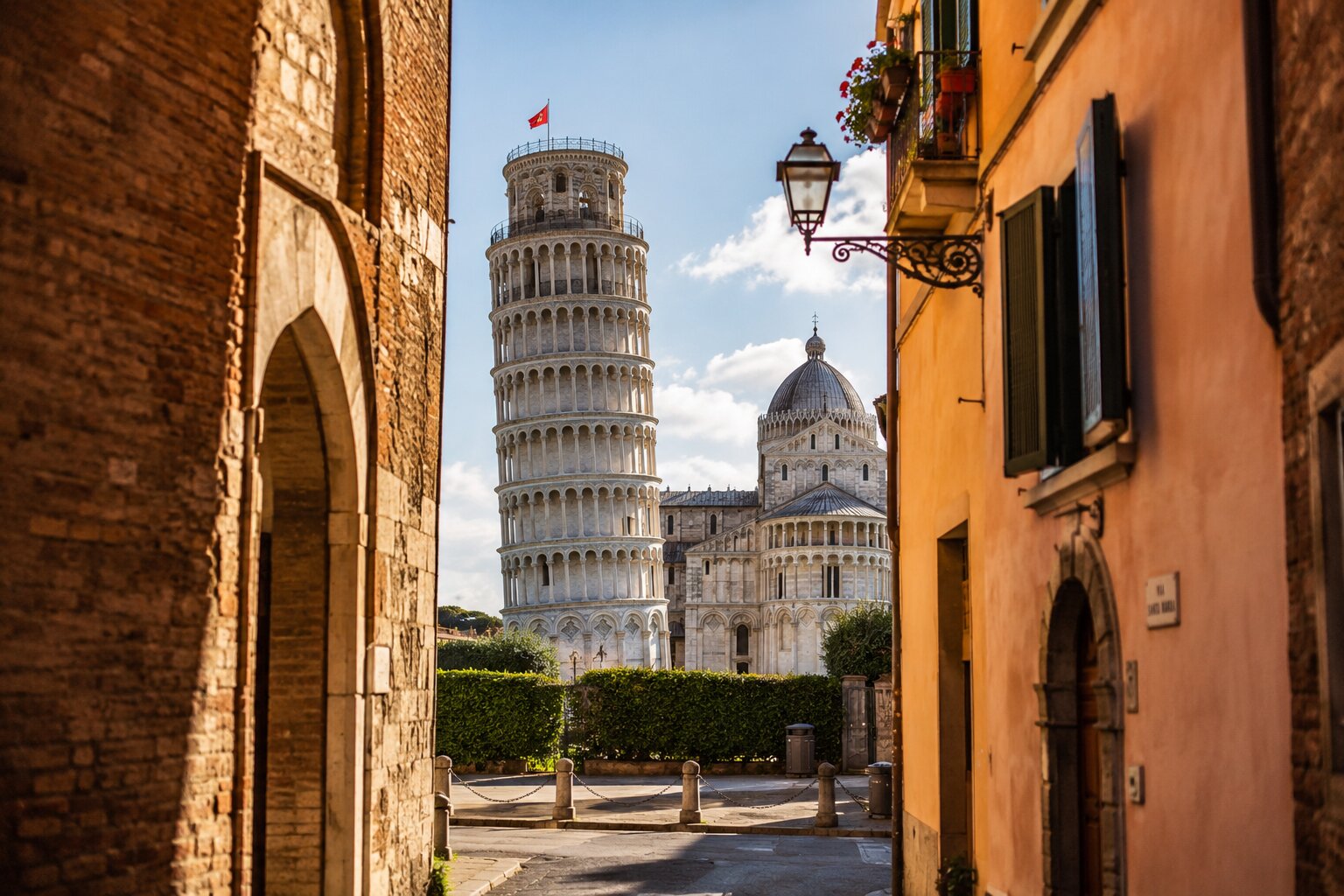
Pisa is known worldwide for a single, unmistakable image: the Leaning Tower rising above an open square. Yet for those interested in photography, the city offers a far wider range of perspectives.
The best photo spots in Pisa are not limited to its most iconic landmark. They emerge through movement along riverbanks, above rooftops, and within quieter streets where the city reveals a more layered identity.
Photographing Pisa is not only about capturing what is familiar, but about understanding how light, space, and structure interact across different parts of the city.
Piazza dei Miracoli: The Essential View
Any exploration of the best photo spots in Pisa naturally begins with Piazza dei Miracoli.
The Leaning Tower, Cathedral, and Baptistery form one of the most recognizable architectural compositions in Italy. The openness of the square allows for clean framing, making it ideal for wide, balanced shots.
Rather than focusing only on the Tower, wider compositions that include multiple structures often create stronger images. These perspectives reveal the relationship between the monuments, not just their individual presence.
Light plays a defining role. Early morning and late afternoon offer softer tones and fewer crowds, allowing the space to feel more structured and less fragmented.
The Arno River: Reflections and Atmosphere
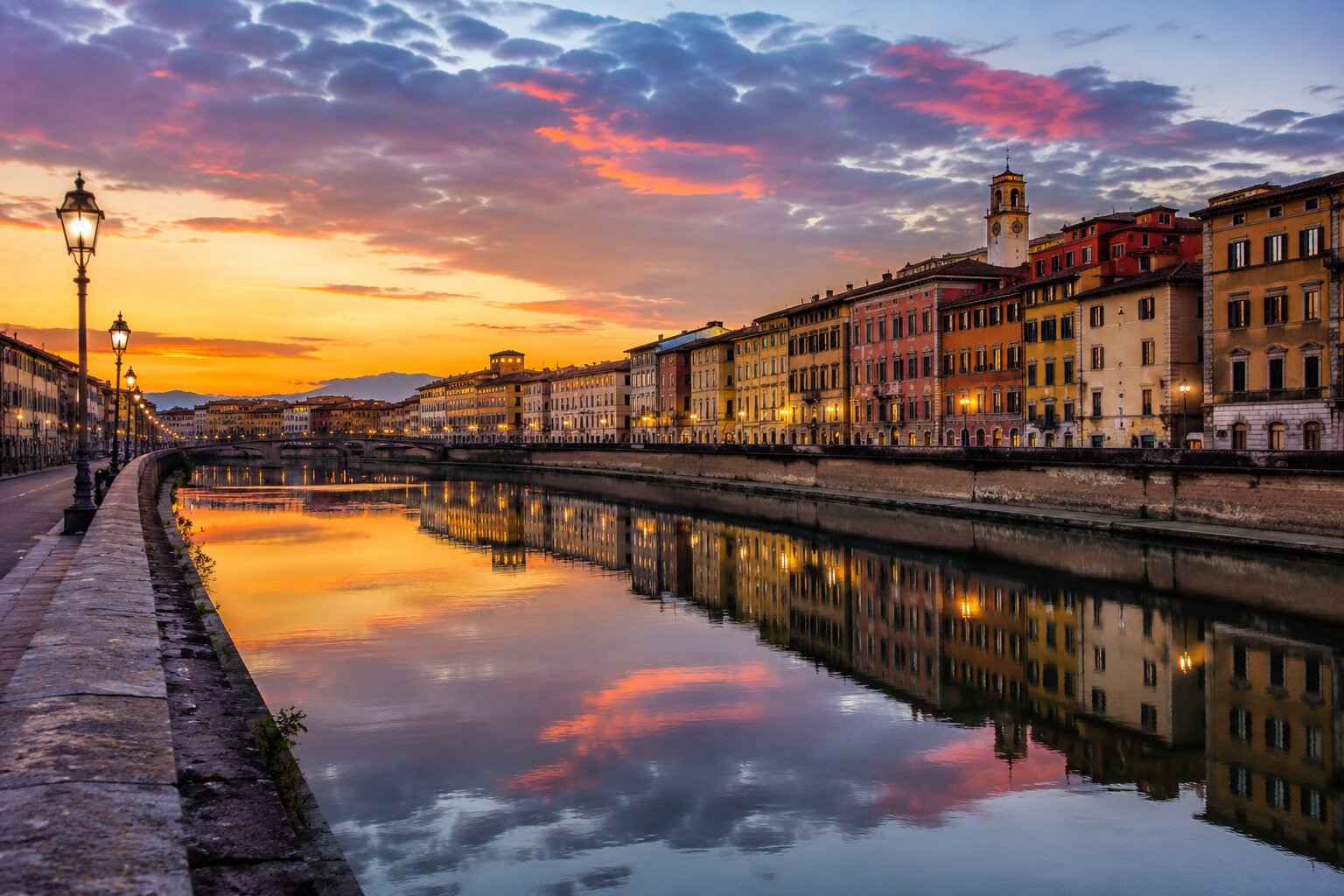
Moving away from the main square, the Arno River introduces a quieter and more atmospheric setting.
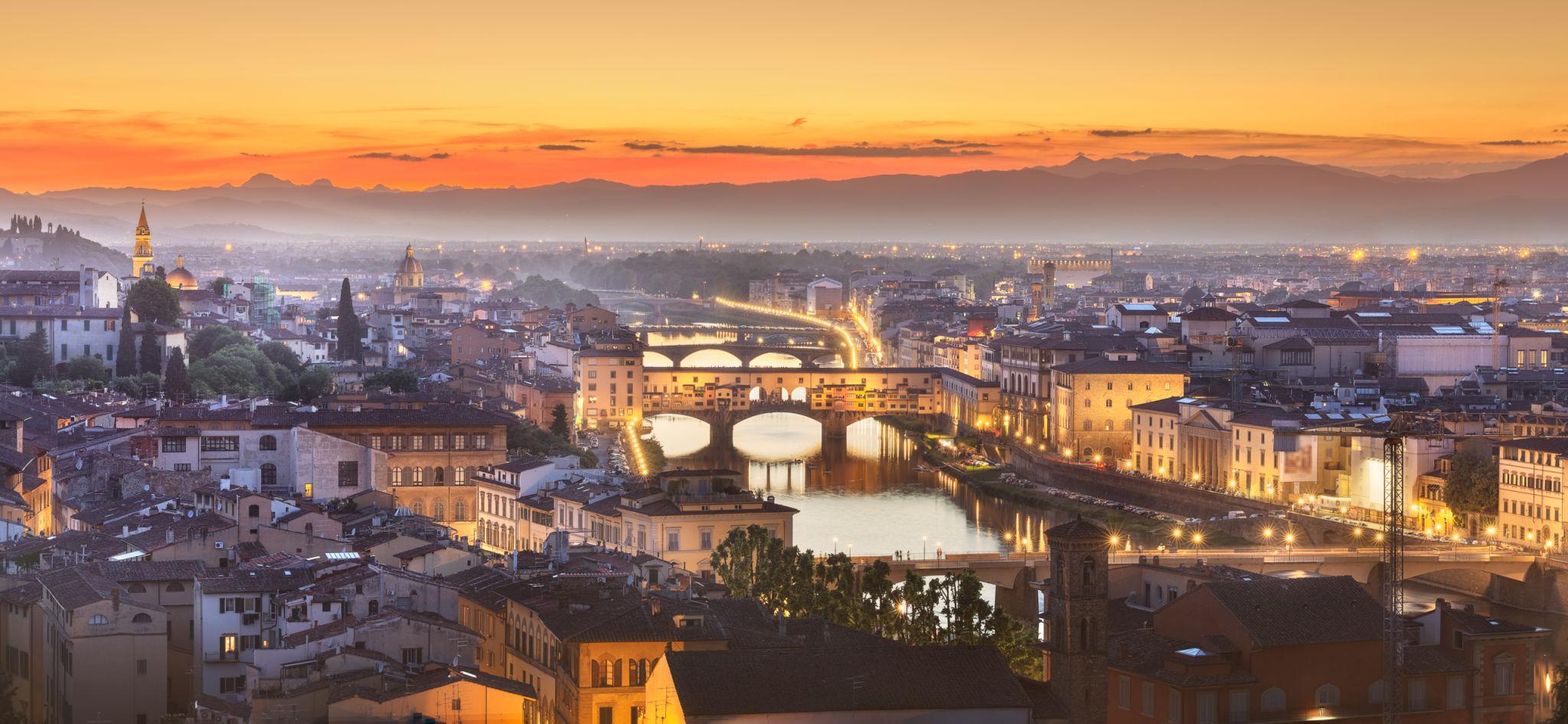
Along the Lungarno, historic façades reflect on the water, creating natural symmetry and depth. These areas are less crowded, giving more time to compose images with attention.
Bridges crossing the river provide elevated viewpoints where both sides of the city can be framed within a single composition. The rhythm here is slower, and the visual experience more subtle.
At certain times of day, especially early morning or sunset, the light transforms the river into one of the most compelling photo spots in Pisa.
Seeing Pisa from Above
Some of the most interesting photographic perspectives are found above street level.
From elevated viewpoints, rooftops, towers, and open spaces align into a more coherent visual structure. What appears fragmented from the ground becomes legible from above.
This perspective is explored more fully in our guide to walking the walls of Pisa, where the city reveals its architectural logic and spatial balance.
From this vantage point, Pisa feels less like a series of isolated landmarks and more like a unified environment shaped over time.
Quiet Streets and Hidden Details
Some of the most distinctive images in Pisa are found away from its main attractions.
Narrow streets, worn stone surfaces, and small architectural details create a more intimate visual language. These spaces are not defined by monumentality, but by texture, light, and atmosphere.
A doorway, a shadow across a wall, or a glimpse of the countryside at the end of a street can become a compelling subject when approached with attention.
These quieter areas offer a different kind of photography less about recognition, and more about observation.
The Importance of Timing
Light is one of the most important elements in photography, and in Pisa it shapes every location differently.
Midday light tends to flatten contrasts, particularly in open areas like Piazza dei Miracoli. Early morning introduces softer tones and fewer distractions, while late afternoon adds depth through longer shadows.
Returning to the same place at different times can completely change the result. In many cases, timing matters as much as location.
Connecting the Different Perspectives
The best photo spots in Pisa are not defined by a single location, but by how different perspectives connect.
From monumental squares to riverside views and quiet streets, the city offers a range of visual experiences that unfold gradually.
Exploring these layers creates a more complete photographic narrative one that goes beyond the expected image and captures the character of the city.
Exploring Pisa as Part of a Broader Journey
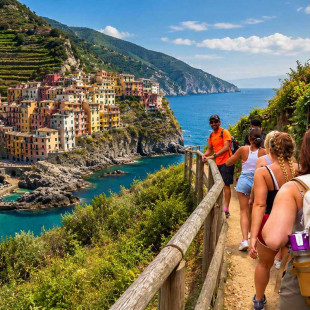
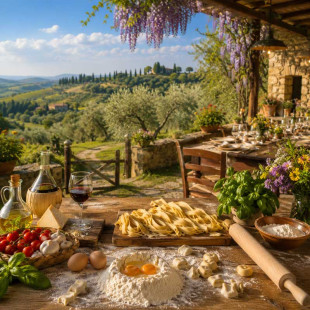
Pisa is often visited within a wider itinerary across Tuscany. In this context, photography becomes part of a broader exploration that includes landscapes, historic towns, and changing environments.
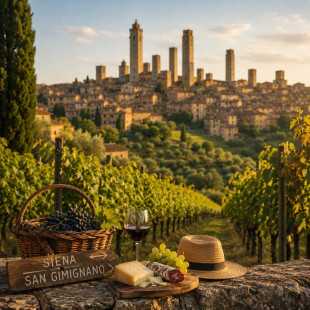
For those interested in combining Pisa with other destinations such as Siena and San Gimignano, you can explore a curated experience here: private Tuscany tour including Pisa, Siena, and San Gimignano.
Experiencing these locations together allows for a more varied visual journey one that moves from architecture to landscape, from city structure to countryside rhythm.
In this way, photography becomes not only a way to capture places, but to connect them.