In this post
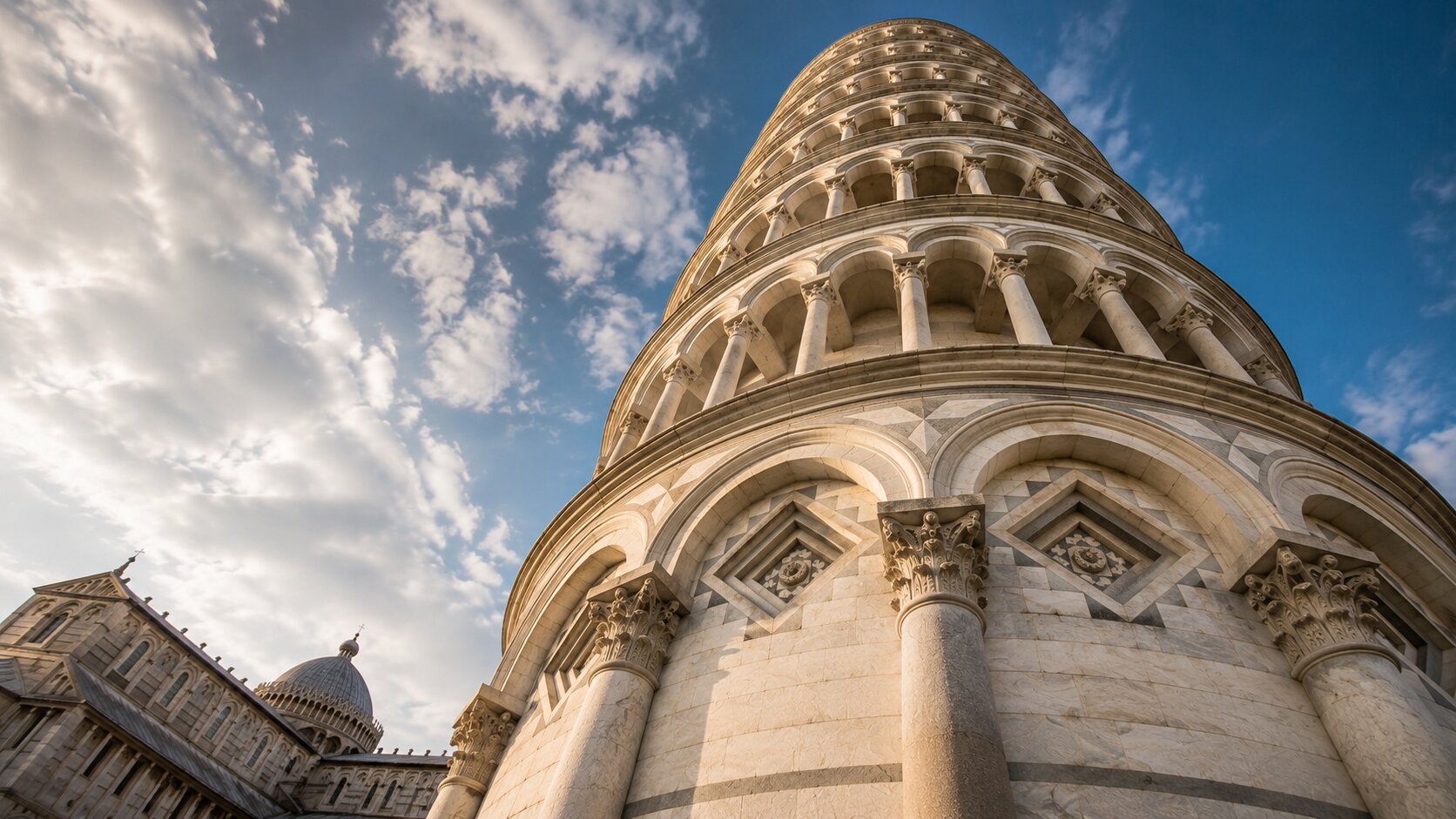
Almost everyone recognizes the Leaning Tower of Pisa before they've ever seen it in person. Photographs of it are everywhere, usually with someone pretending to hold it up. What those photos rarely capture is how strange it actually feels standing in front of it. A structure this large, tilted this visibly, shouldn't still be standing. And yet it is, nearly nine centuries after construction began.
That contradiction is a big part of what makes the tower worth seeing in person. A photo can show you the tilt. It can't show you what it feels like to stand beneath it.
Understanding a little about why it leans, and what sits around it, changes the visit. It stops being a quick photo stop and becomes something more interesting.
That's especially true once you know the tower has survived earthquakes, wars, and centuries of gradual sinking without ever fully losing its footing. There's a reason engineers still study it closely today.
Why the Tower Leans in the First Place
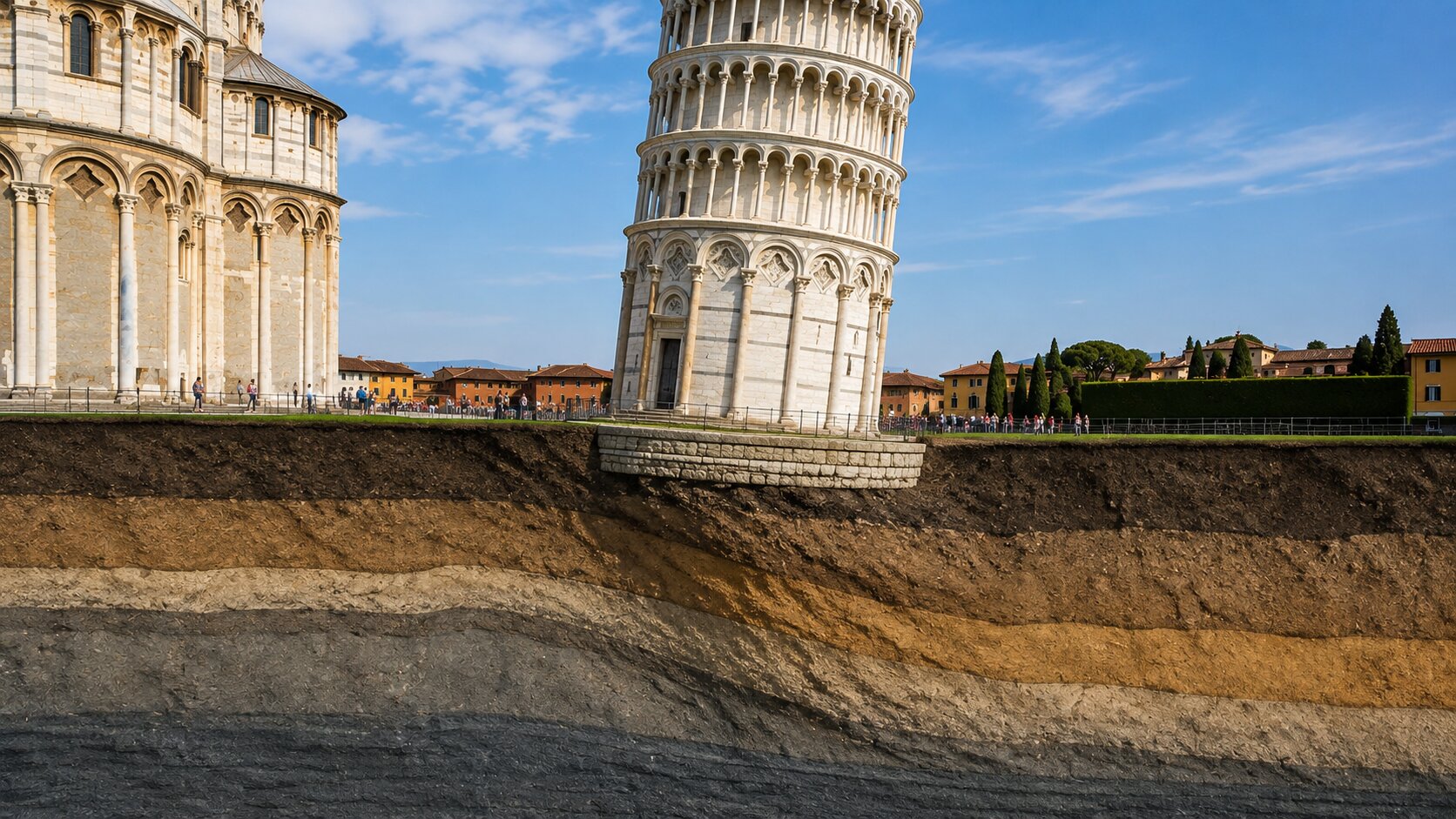
The tilt wasn't intentional. Construction began in 1173. The ground beneath the tower's foundation, soft clay and unstable subsoil, started giving way almost immediately. Builders paused construction for nearly a century during ongoing regional conflicts. That pause accidentally gave the soil time to settle, and it's likely the only reason the tower didn't collapse before it was finished.
Engineers spent the 20th century worried the lean would only get worse. A major stabilization project ran between 1990 and 2001. It corrected the tilt by roughly 40 centimeters, bringing it to its current angle of about 3.9 degrees. The tower still leans, just carefully, and under close watch.
More Than a Famous Tilt
Focus too much on the lean, and it's easy to miss what the tower actually looks like up close. Eight stories of white marble, ringed with columns and arches. Built in the same Romanesque style as the Cathedral standing next to it. The design predates the tilt becoming its defining feature by centuries. It was meant to be admired for its architecture, not its instability.
Circling the base reveals details most photos skip entirely. The uneven spacing between columns on the lower floors, added later to help correct the original tilt. The bells at the top, seven of them, each tuned to a different note of the musical scale. None of that comes across in a photo taken from across the lawn.
Is Climbing the Tower Worth It?
Climbing the 251 steps to the top means walking up a spiral staircase that tilts along with the building. The sensation is disorienting in a way that's hard to describe until you're actually inside it. At the top, the view stretches across Pisa's rooftops toward the sea. The rest of Piazza dei Miracoli sits laid out directly below.
Not every visitor needs to climb it to appreciate the tower. The view from ground level, especially with some context about the architecture and history, is plenty for many travelers. But for anyone curious what the inside of an 800-year-old leaning structure feels like, the climb adds something the exterior alone can't.
The Square Around the Tower
The tower doesn't stand alone. Piazza dei Miracoli holds the Cathedral, the Baptistery, and a wide stretch of green lawn. All of it built over roughly two centuries, starting in the 11th century. That's part of why nothing in the square quite matches architecturally. Each building reflects a different stretch of that long construction period.
Most visitors spend their entire visit with their back to the Cathedral, camera pointed at the tower. Turning around reveals the Duomo's striped marble facade, just as striking and far less photographed. Our guide to Piazza dei Miracoli explained goes deeper into how the whole square fits together, tower included.
Finding the Right Angle
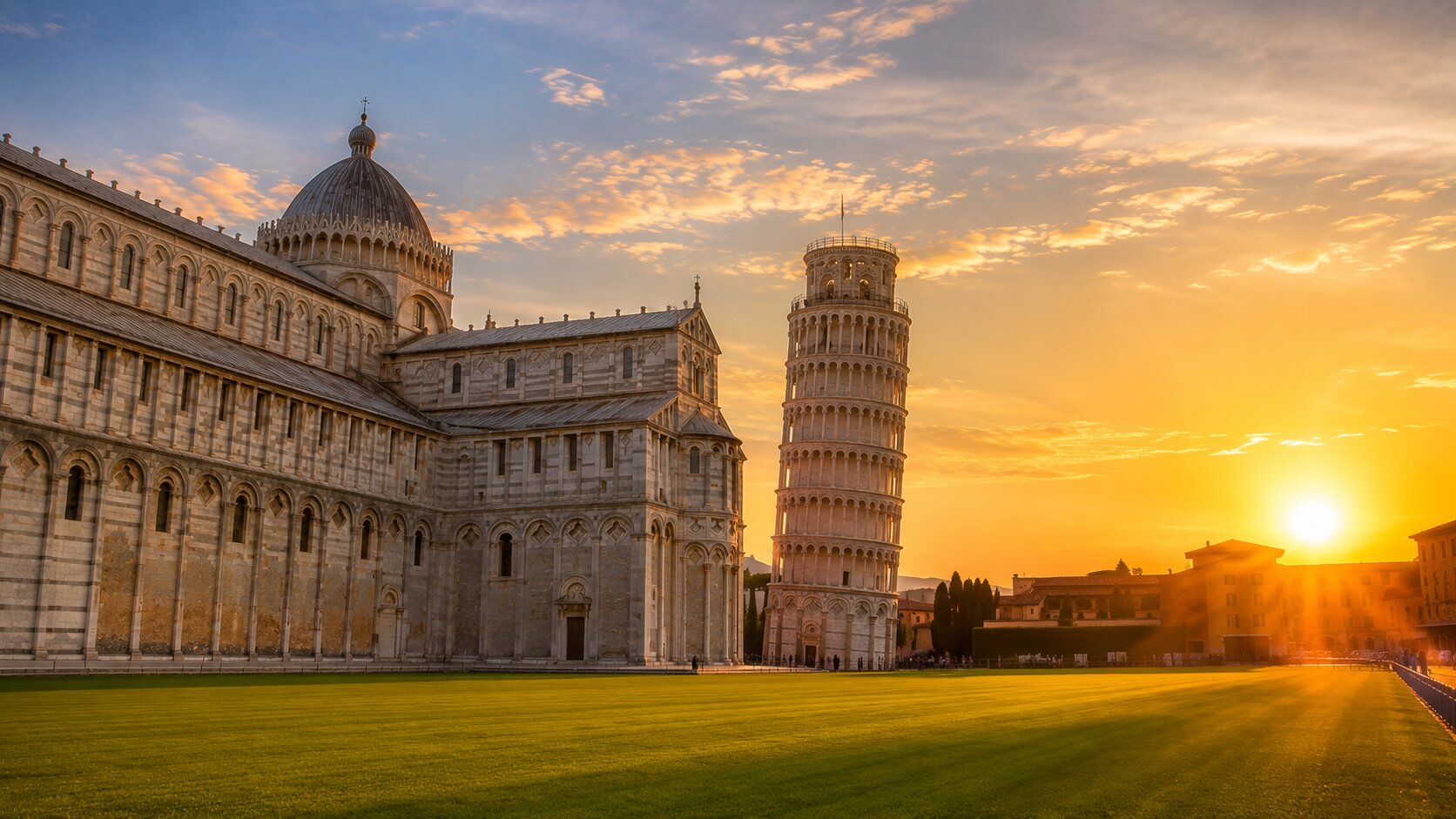
The classic tourist photo, arms out, pretending to push the tower upright, has become almost as famous as the tower itself. The best views of it often come from spots most visitors never think to look for, though. A quieter corner of the lawn. A side street just outside the square, where the tower appears unexpectedly between buildings.
Our guide to the best photo spots in Pisa beyond the Leaning Tower covers some of these angles. It also gives a few reasons to point the camera elsewhere entirely once the obvious shot is out of the way.
Seeing the Tower as Part of a Bigger Day
For most travelers based in Florence, the Leaning Tower of Pisa isn't visited on its own. It works best as part of a wider day through Tuscany, paired with towns that offer a completely different atmosphere. Siena's Piazza del Campo and San Gimignano's medieval towers both contrast sharply with Pisa's single, dramatic square. That contrast keeps a longer day feeling varied rather than repetitive.
Getting between three towns in a single day involves real logistics. Coordinating transport, timing, and tickets independently tends to eat into the time actually spent seeing anything. That's a lot to manage without local knowledge of how the roads and schedules actually work.
When to See the Tower
Time of day changes the tower more than most visitors expect. Midday brings the biggest crowds and the flattest light, with the sun directly overhead washing out the marble's detail. Early morning and late afternoon both work better, when the light rakes across the columns at an angle and the crowds around the base thin out noticeably.
A guided day trip that reaches Pisa in the afternoon often catches this shift naturally, arriving as the light softens and the morning rush has already passed through. That timing isn't something a self-planned visit always gets right, since it depends on knowing the square's rhythm rather than just picking a convenient time to arrive.
Why a Guided Day Makes the Difference
This is where an organized tour changes the experience, not just the transport. A knowledgeable guide handles the driving and the timing. They also handle the route between towns. The day builds toward Pisa, rather than starting there rushed and tired from getting there independently.
None of this is a self-drive experience. It's a fully organized day, run by Walkabout from start to finish, with a guide managing the route so the group's time in Pisa is spent actually seeing the tower and the square around it, not figuring out how to get there.
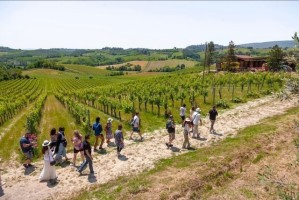
Our Best of Tuscany Day Trip from Florence brings Siena, San Gimignano, and Pisa together into a single, guided 12-hour day. There's a traditional lunch and wine tasting at a Chianti winery along the way too. Travelers get a coach, an expert guide, and a route already built around getting the most out of each stop. That includes a proper look at the Leaning Tower and the square around it, once the group arrives in Pisa.