In this post
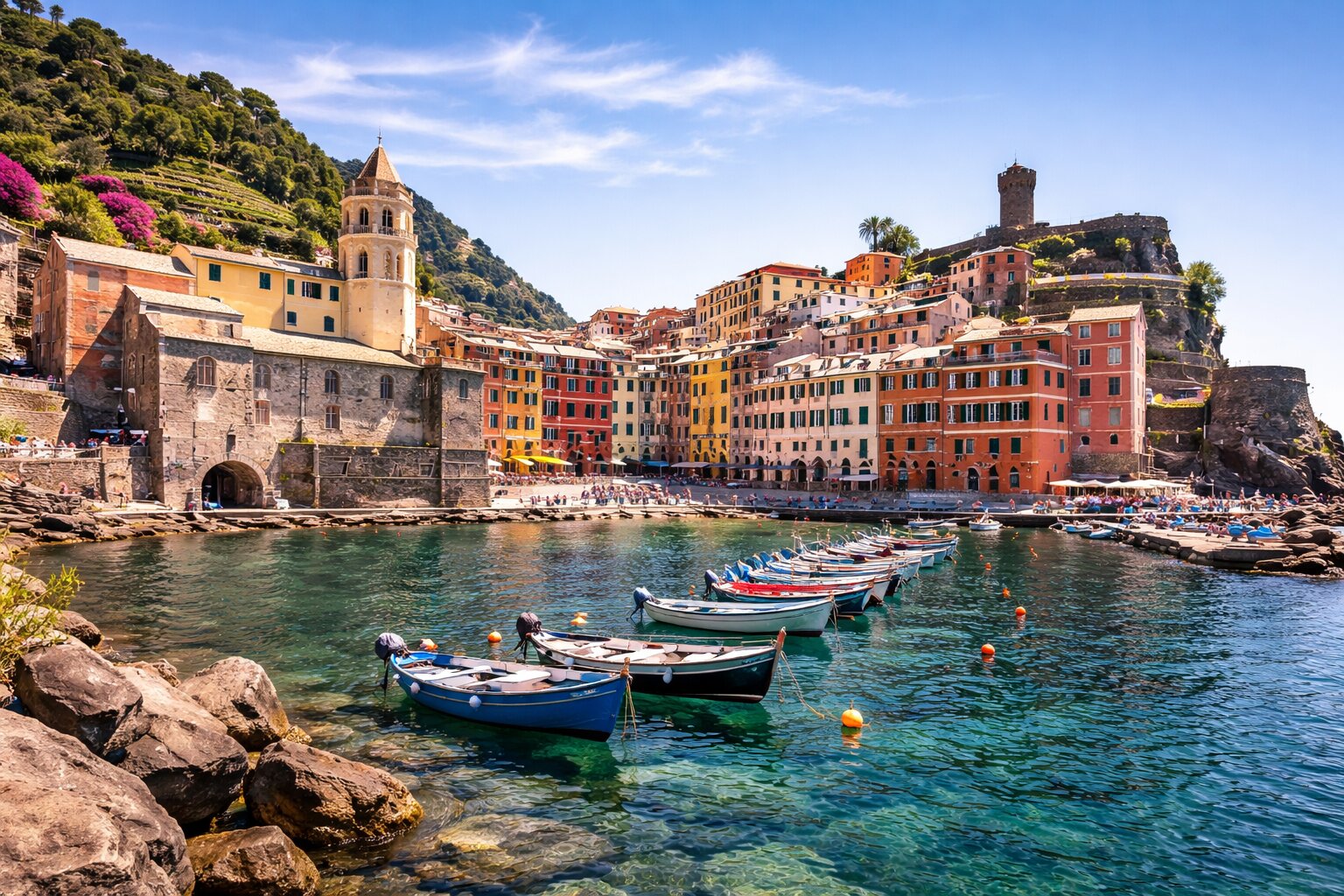
Cinque Terre looks timeless in every photo: pastel villages, terraced cliffs, the same coastline that's been there for centuries. What those photos don't show is how differently the place actually feels depending on when you show up. The cliffs stay put. Almost everything else about the experience changes with the season.
Why Timing Matters More Here Than Almost Anywhere
Cinque Terre is genuinely fragile. Five villages, narrow footpaths, a rail line doing most of the work of moving people between them — there's very little room to absorb a crowd. Around 2.5 million people visit each year, and the vast majority arrive within the same few summer weeks. That concentration is exactly why the same village can feel completely different in June versus October, without a single building actually changing.
Local authorities have spent years trying to manage that imbalance. Trail access limits. Overcrowding alerts on the busiest train arrivals. None of that is really about restricting a good trip. It's a response to just how lopsided the calendar has become, with a handful of summer weeks absorbing a wildly disproportionate share of the year's visitors.
Spring: The Landscape Waking Up
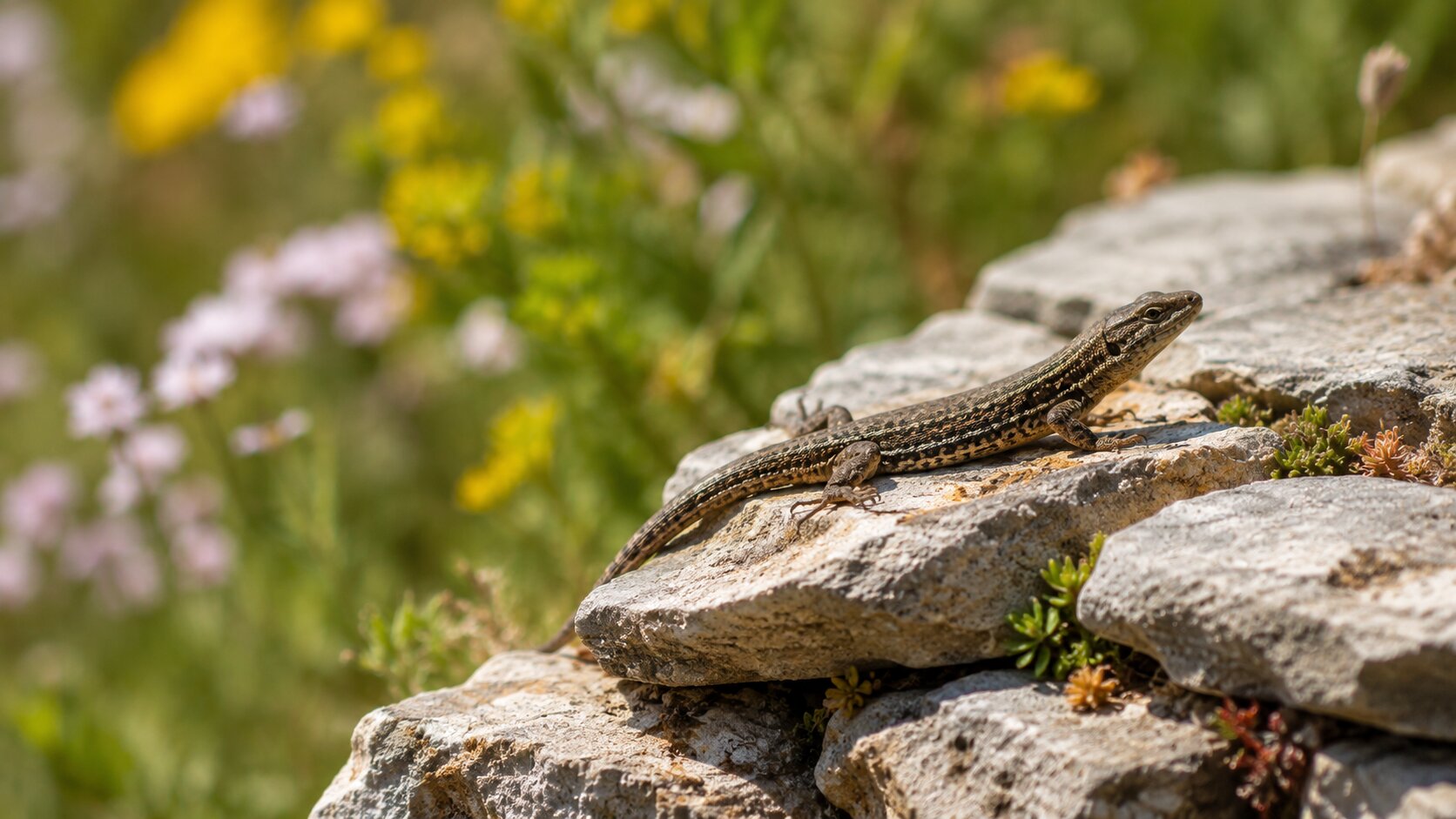
From April into early June, the terraces turn green again and wildflowers start showing up along the trails. Daytime temperatures sit in the comfortable range, generally 17-22°C, cool enough for hiking without the exhaustion later months bring. Villages feel genuinely alive without tipping into overwhelmed. For travelers who want both good weather and breathing room, spring hits that balance about as well as any season does.
Summer: Peak Energy, Peak Density
Late June through August is Cinque Terre at its most intense. Daytime highs regularly reach 29-33°C, and the sea itself peaks around 25°C in August, warm enough for genuinely comfortable swimming. That's also exactly when most of those 2.5 million annual visitors show up, concentrated into roughly ten weeks. Trains run packed. Village streets fill fast. The energy is real, but so is the crowding, and for some travelers that trade stops feeling worth it.
A more structured approach helps most in this specific window. Our guide to private Cinque Terre tours covers how a planned, guided day can smooth out summer's density instead of fighting through it solo.
Autumn: The Region Exhales
September and October bring a real shift. The sea stays warm well into the season, the light softens, and the terraced vineyards move into harvest. Crowds thin out substantially compared to August, and the pace of the villages slows to something closer to how they actually run the rest of the year.
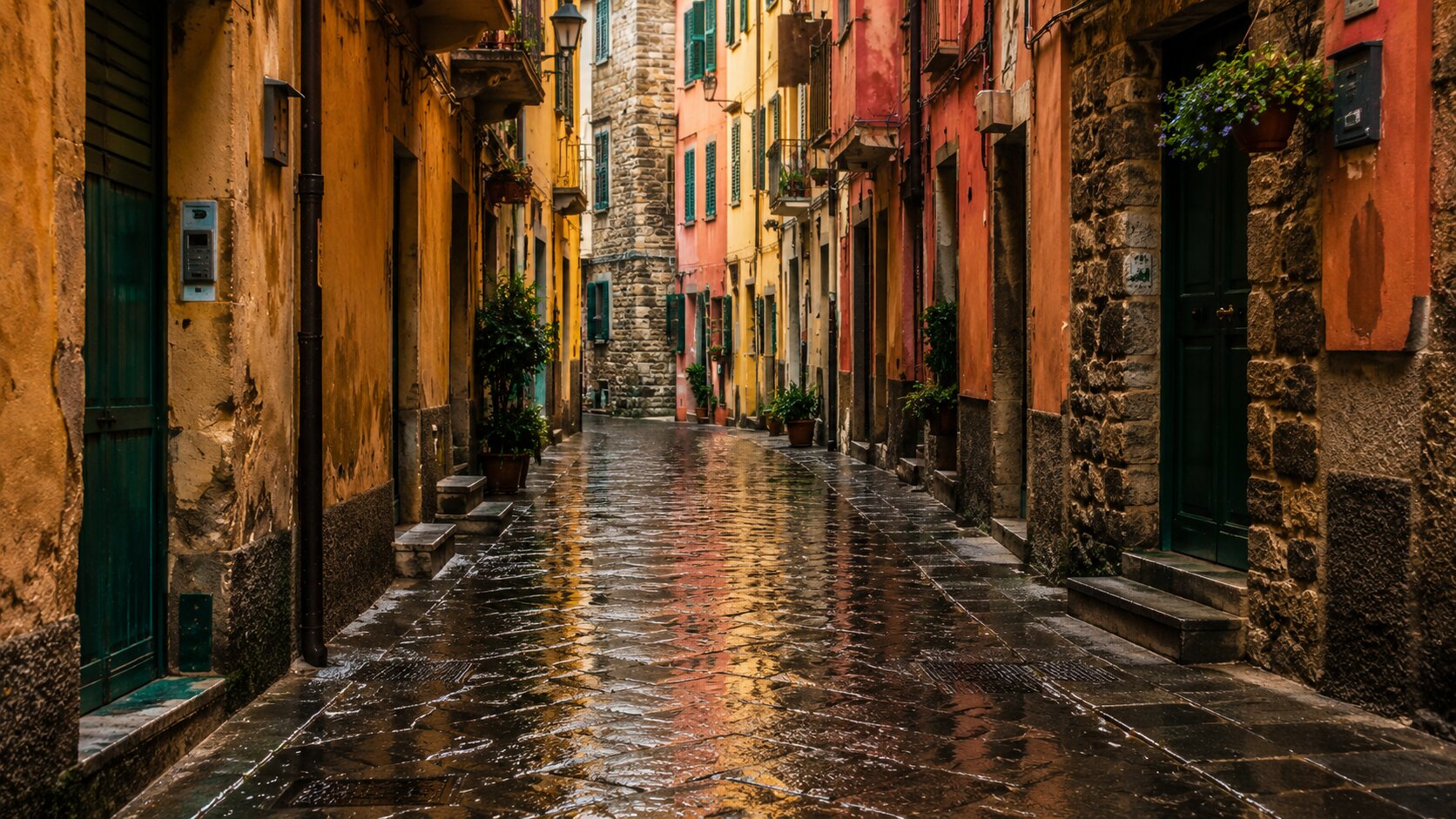
Rain becomes more frequent too. October is typically one of the wetter months on this stretch of coast, though showers here tend to pass quickly rather than settling in for the day. Many travelers who've been to Cinque Terre more than once end up naming autumn as the version they remember most fondly. It feels less like a performance for visitors, more like the place itself.
Winter: What's Left When the Crowds Leave
November through early March is genuinely quiet. Some businesses close for the season, ferry service scales back, and daytime temperatures drop to a cooler 7-11°C. Rain shows up more often too — November is typically the wettest month on this stretch of coast, with roughly twice the rainy days of a summer month. But the trade-off is real. Streets empty out. Views open up without anyone standing in front of them. The villages reveal a version of themselves that summer crowds never get to see.
This isn't the season for beach days or long hikes in shorts. It's the season for the kind of quiet that lets you actually hear the sea against the rocks, without fifty other people doing the same thing a few feet away.
Time of Day Matters as Much as Season
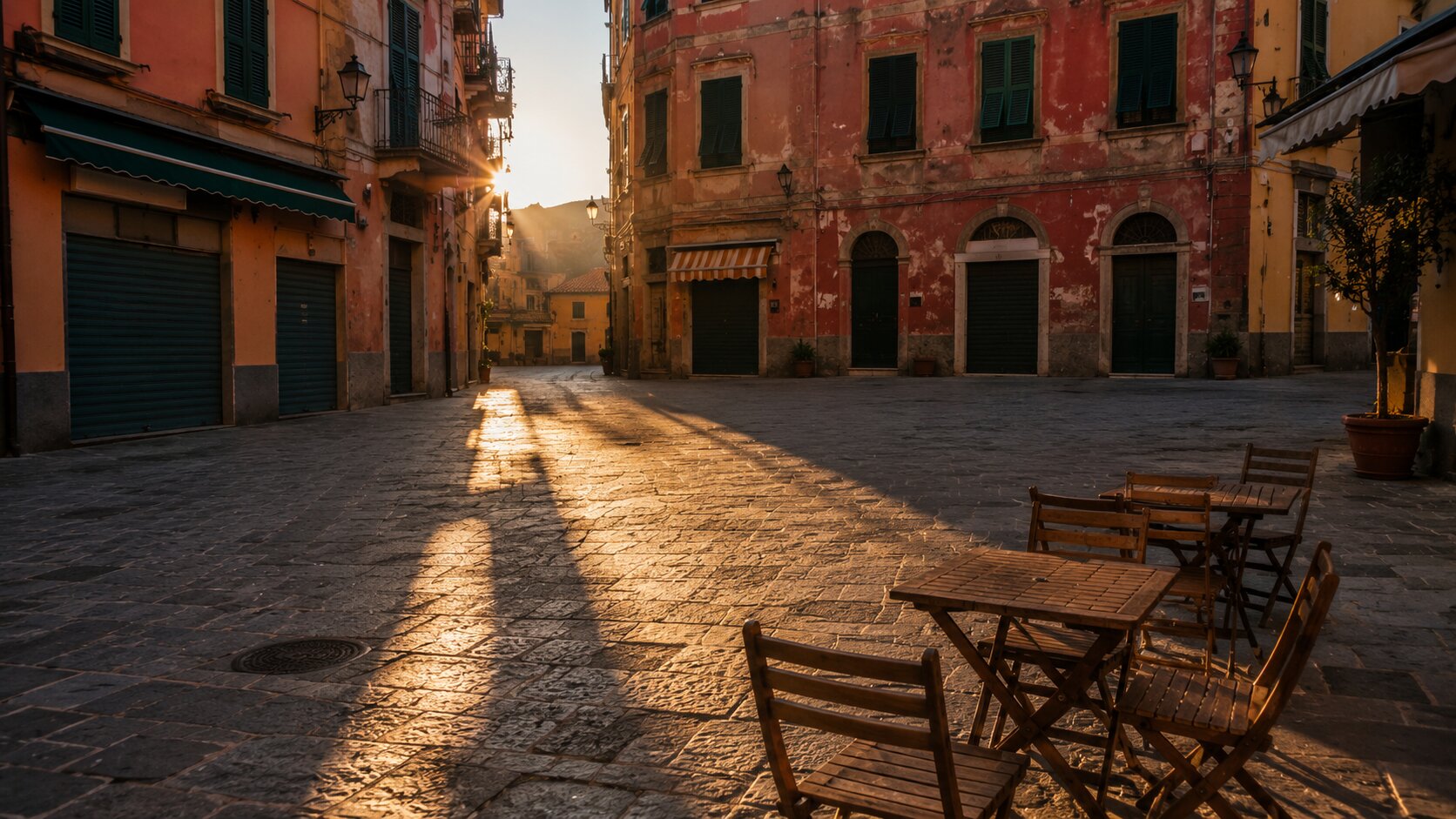
Whatever season you pick, the hour still shapes the day. Early morning and late afternoon bring softer light and noticeably thinner crowds, even in August. Midday during peak season concentrates the largest number of visitors into the smallest window, exactly when the villages feel most crowded and least relaxed.
That distinction, not just when to visit but how the day itself gets structured, is central to a more intentional trip. Our guide to Cinque Terre beyond the crowds goes deeper into timing a visit around exactly this kind of daily rhythm.
Choosing Based on What You Actually Want
Spring and early autumn offer the most consistent balance between good weather and manageable crowds. Summer trades some of that calm for warm swimming water, long evenings, and the liveliest version of the coast. Winter trades almost all of the energy for genuine stillness and a much more local rhythm. None of these is objectively correct. Each one reveals a different layer of the same five villages.
A Landscape That Keeps Changing
The cliffs, the terraces, the pastel houses stacked above the water — none of that moves. What changes is the light, the crowd, and the rhythm of daily life running underneath it all. Picking the right time to visit Cinque Terre isn't really about finding one perfect month. It's about matching the season to the kind of experience you actually want to have.