In this post
- Why a Florence Food Market Matters
- Seasonality Starts at the Market
- Mercato Centrale's Two Very Different Floors
- How Locals Read the Market
- The Connection Between Market and Kitchen
- Why the Market Reads Differently Than a Restaurant
- From Florence to the Tuscan Countryside
- How to Experience a Florence Food Market Well
- Where Tuscan Food Culture Begins
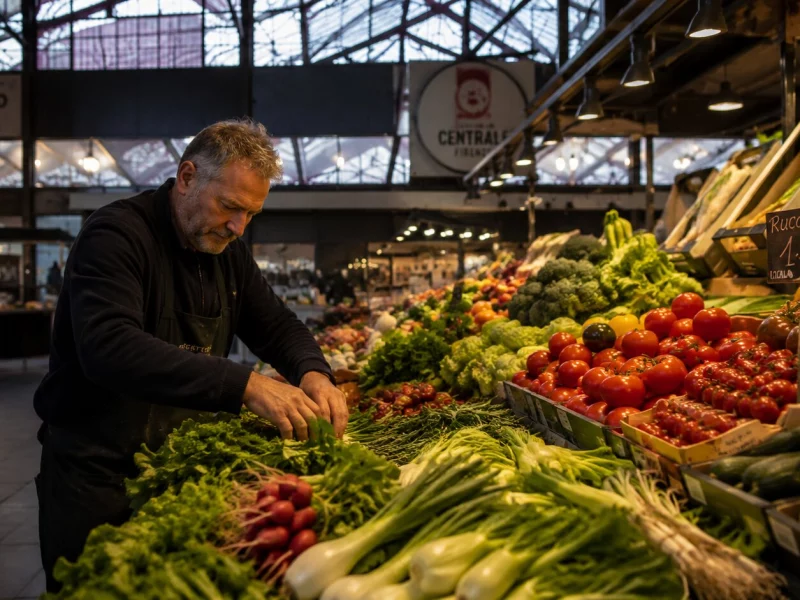
A Florence food market isn't just a place to grab lunch. It's where you can watch Tuscan cooking make its most important decisions, hours before any of them reach a plate. Which tomato is actually ripe. Which cheese has aged long enough. Which cut of meat suits tonight's ragù. None of that shows up on a restaurant menu, but all of it shapes what ends up there.
Why a Florence Food Market Matters
Florence gets talked about almost entirely in terms of art and architecture. Its markets tell a quieter, more daily story. Vegetables, bread, cheese, cured meats, and olive oil connect the city directly to the farms and hills around it. No museum wall can quite do that. The market works as a bridge: rural products moving into an urban rhythm, in full view of anyone paying attention.
Seasonality Starts at the Market
Spring stalls fill with artichokes, asparagus, and young greens. Summer brings tomatoes, basil, zucchini, and figs. Autumn shifts to mushrooms, chestnuts, and the first pressings of new olive oil. Winter turns toward cabbage, root vegetables, and the kind of produce built for a long-simmered soup. A Florence market changes shape roughly every ten weeks. That's a faster rhythm than most visitors expect from a city this old.
None of this happens on a fixed calendar printed anywhere. Vendors adjust week to week based on what's actually ready, which means the same stall can look noticeably different from one Tuesday to the next. That flexibility is exactly the point: a menu built around what's genuinely at its best that week, rather than a recipe that demands the same ingredient in January as in July.
Mercato Centrale's Two Very Different Floors
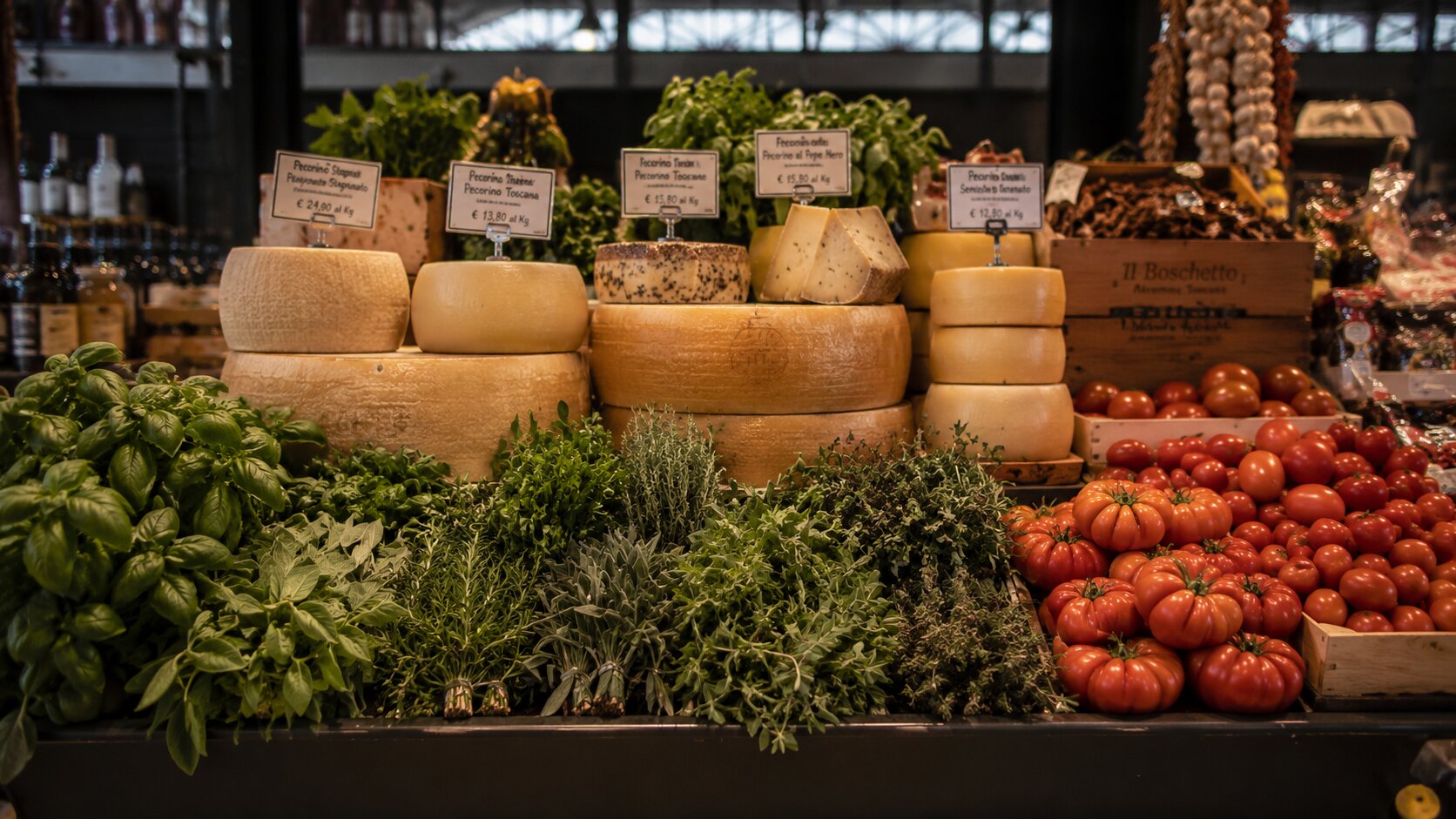
Architect Giuseppe Mengoni completed the cast-iron-and-glass market hall in 1874. It was part of a wider urban plan drawn up in 1866, back when Florence briefly served as the capital of a newly unified Italy. That ground floor still runs today largely as it always has. Butchers, cheesemongers, and pasta makers work stalls their families have sometimes held for generations. Baroni, a cheese counter, has become something of a Florentine institution in its own right.
The upper floor tells a completely different story. It sat essentially abandoned for decades. In 2014, restaurateur Umberto Montano led a renovation that turned it into a modern food hall. More than 20 counters, communal tables, and large woven baskets hanging from the ceiling. Those baskets aren't decoration. They're there to absorb sound. A room built almost entirely of glass and iron would otherwise turn every lunch rush into an echo chamber. One building, two very different eras of Florentine food culture, stacked directly on top of each other.
How Locals Read the Market
Watch a local shop the ground floor for more than a few minutes and a pattern shows up fast. They touch, smell, and ask questions before they buy anything. They know which vegetable needs another day on the counter and which cheese has hit its peak. None of that is performance. It's just habit, built from shopping the same stalls for years, sometimes decades.
That habit reflects something bigger about how Tuscan cooking works. The ingredient gets chosen with real attention before any technique gets applied to it. A lot of what makes a Tuscan meal taste right traces back to a decision made at a market stall. That happens well before anyone turns on a stove.
The Connection Between Market and Kitchen
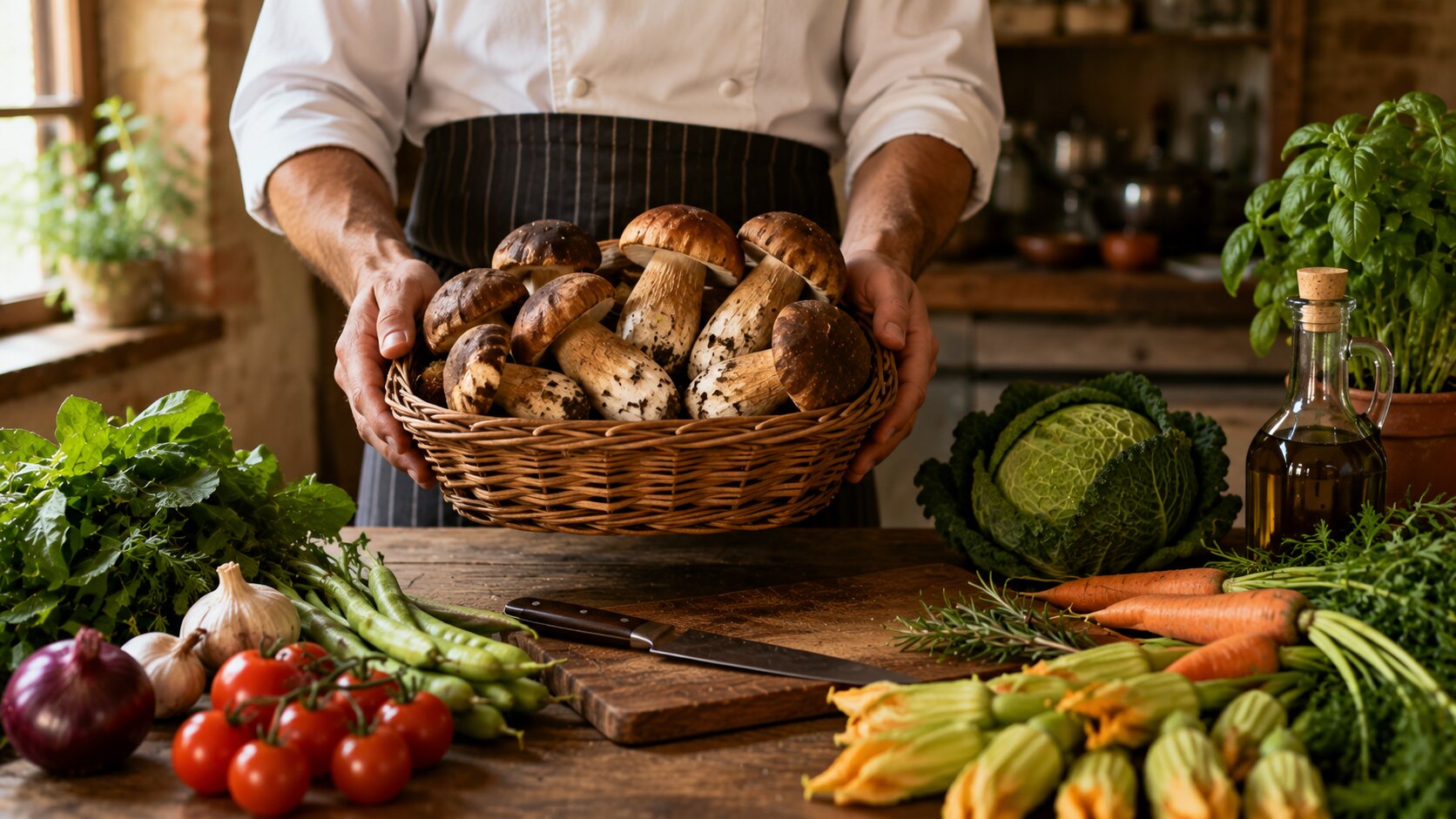
In Tuscan cooking, the ingredients often set the menu, not the other way around. A cook who finds unusually good porcini at the market that morning builds lunch around them. That beats forcing a fixed recipe regardless of what's actually good that day. That's a different starting point than most cooking traditions. It's part of why the same "simple" dishes — ribollita, pappa al pomodoro, panzanella — taste different depending on the week they're made.
Our guide to Tuscan cuisine explained goes deeper into the philosophy behind it, and how seasonality and restraint shaped the region's cooking over centuries.
Why the Market Reads Differently Than a Restaurant
A restaurant hands you the finished decision. A market shows you the decision still being made. Stand at a cheese counter and watch someone choose between three wheels of pecorino at different ages. It teaches something a menu description never quite manages to. After that, a bowl of ribollita stops being an isolated dish. It starts reading as the end point of a longer process, one that began hours earlier at a stall not far from where you're eating it.
From Florence to the Tuscan Countryside
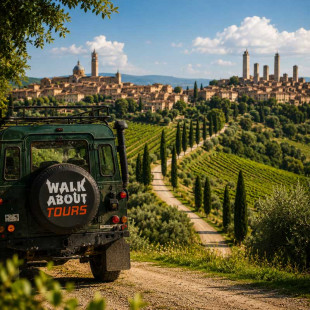
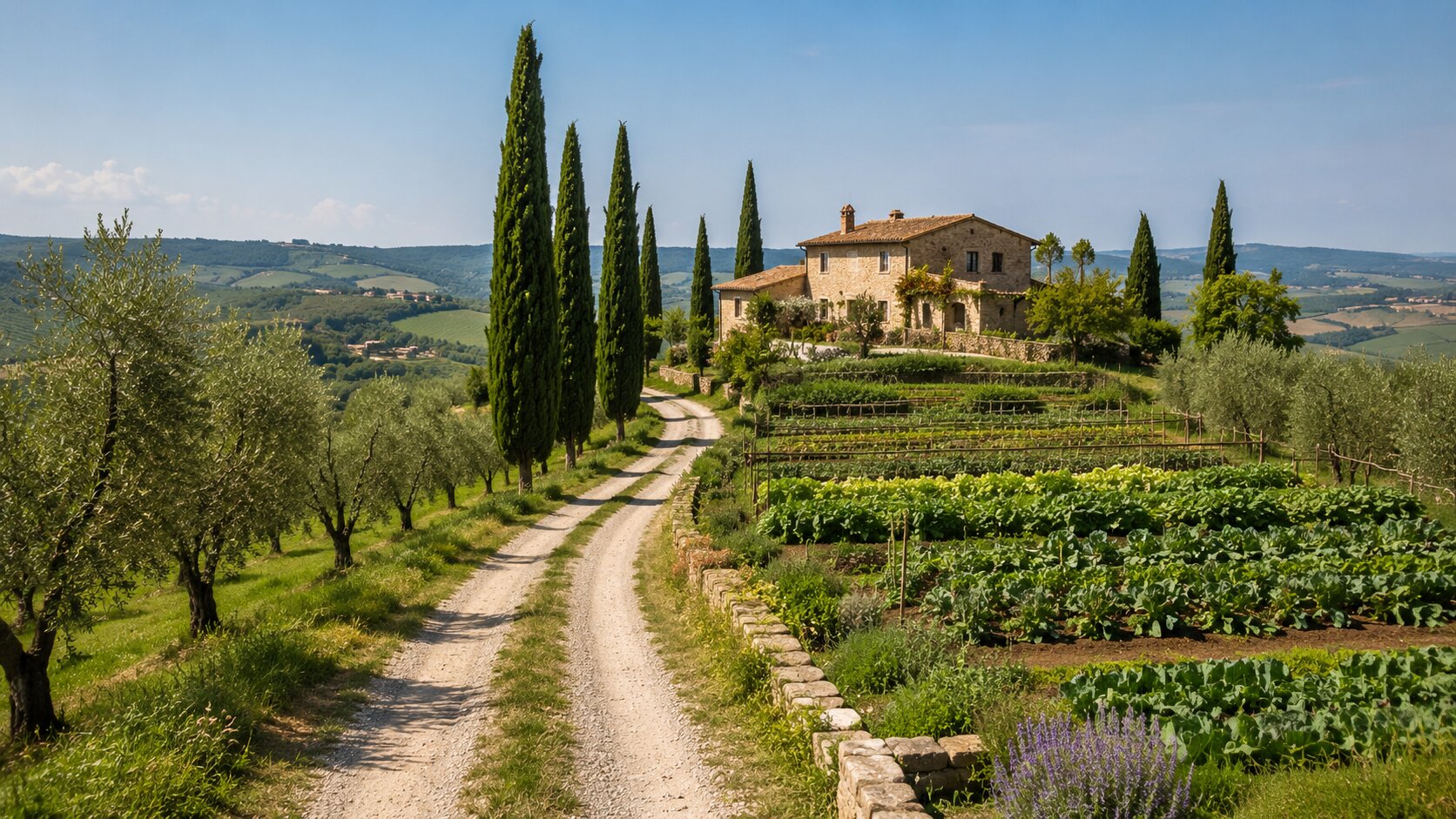
Most of what fills these stalls comes from just outside the city. Vineyards, olive groves, and small farms scattered through the hills around Florence. In that sense, a morning at the market works as the first chapter of a longer story. One that continues well past the city walls.
Some experiences take that story further, moving from the market stall directly into a working kitchen. Our guide to a Florence market tour and cooking class covers what that looks like in practice: shopping the market, then actually cooking with what you bought instead of just watching it get sold.
How to Experience a Florence Food Market Well
The best approach is simply to slow down. Notice which products repeat across several different stalls. That repetition usually signals what's genuinely in season that week, rather than what's been trucked in from somewhere else. Treat the market as a working place, not an attraction. The everyday rhythm — people shopping, comparing, arguing gently over which vendor has the better price — is part of what makes the visit worthwhile.
Where Tuscan Food Culture Begins
A Florence market doesn't tell the whole story of Tuscan cuisine on its own. It's still one of the best places to start. The ground floor carries a century and a half of butchers and cheesemongers. The upper floor carries a completely different 2014 reinvention. Together, the building says something about a city that keeps finding new ways to hold onto old habits. Before the restaurant, before the farmhouse kitchen, there's the moment of choosing an ingredient. That moment shapes everything that comes after it.