In this post
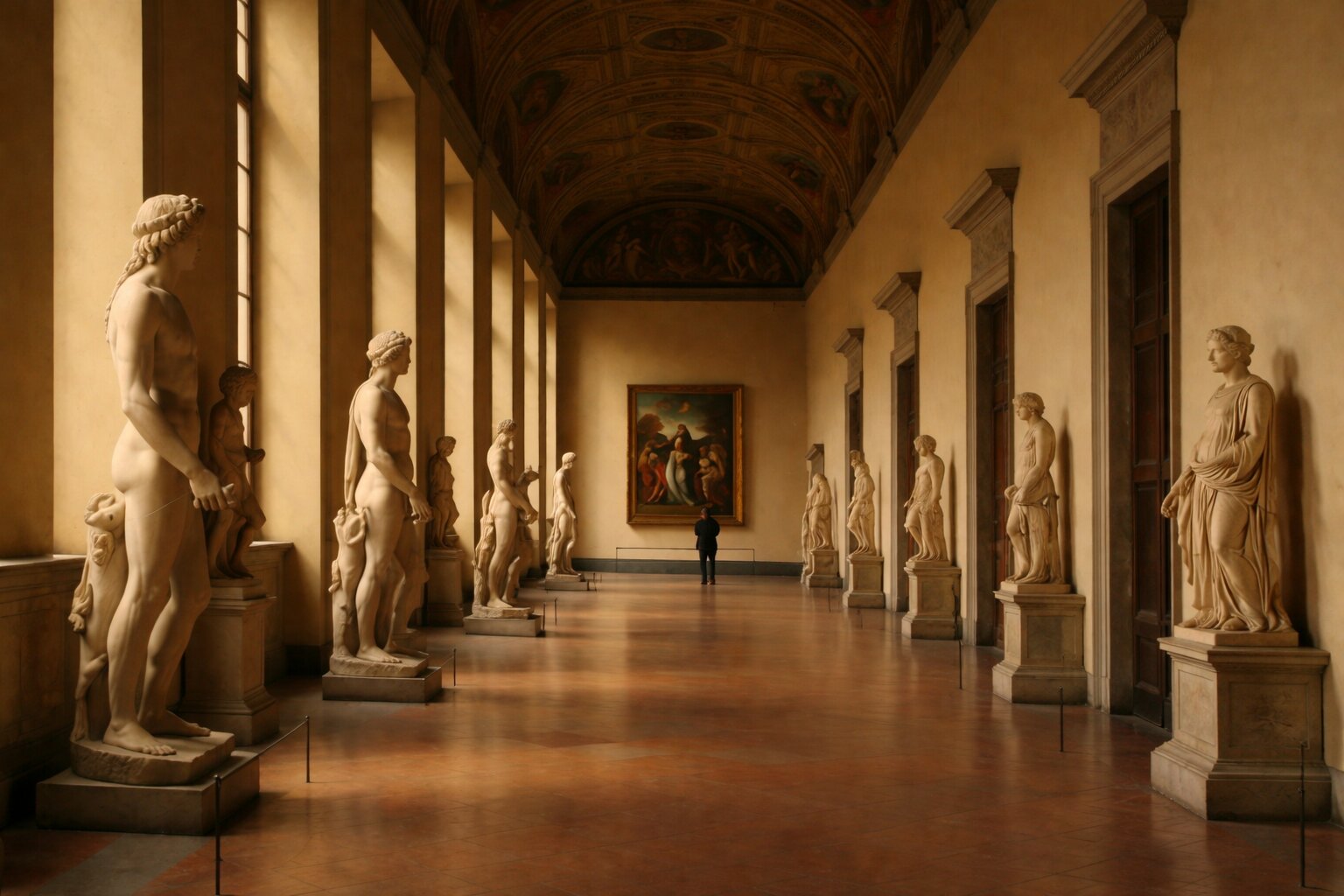
The Uffizi isn't just a museum with famous paintings in it. It's a building that started as something else entirely. The story of how it became one of the world's great galleries says almost as much about Florence as the art inside it does.
A Palace Built for Paperwork, Not Paintings
Cosimo I de' Medici commissioned the building in 1560. Not as a gallery, but as offices — "uffizi" literally means "offices" in Italian. He wanted Florence's scattered magistrates, guilds, and administrative bodies consolidated under his direct control. Giorgio Vasari designed the building. Vasari died in 1574 before it was finished; Bernardo Buontalenti and Alfonso Parigi completed the U-shaped structure by 1581.
Almost immediately, Francesco I de' Medici converted the top floor into a private gallery for the family's art and antiquities. It stayed private for nearly two centuries. In 1737, Anna Maria Luisa de' Medici, the last of the family line, signed the Family Pact. That legal agreement ensured the entire Medici art collection would stay in Florence forever, rather than being sold off or scattered. The gallery finally opened to the public in 1769, under Grand Duke Peter Leopold. That made it one of the first public art museums anywhere in the world.
Our guide to Medici sites in Florence traces that family's imprint across the rest of the city. Well beyond this one building.
Planning a Visit That Doesn't Exhaust You
Trying to see everything is the fastest way to remember nothing. The building holds an overwhelming density of masterpieces. Treat it like a checklist, and every room starts to blur together by the halfway point. A better approach picks a handful of works that actually trace how Renaissance painting changed. Give each one real attention, instead of a glance on the way to the next room.
A guide who already knows the collection changes this considerably. Not just in avoiding lines, but in knowing which rooms get crowded at which hour, and which pieces reward five extra minutes of looking. Our guide to a private Uffizi Gallery tour experience covers what that kind of visit actually looks like in practice.
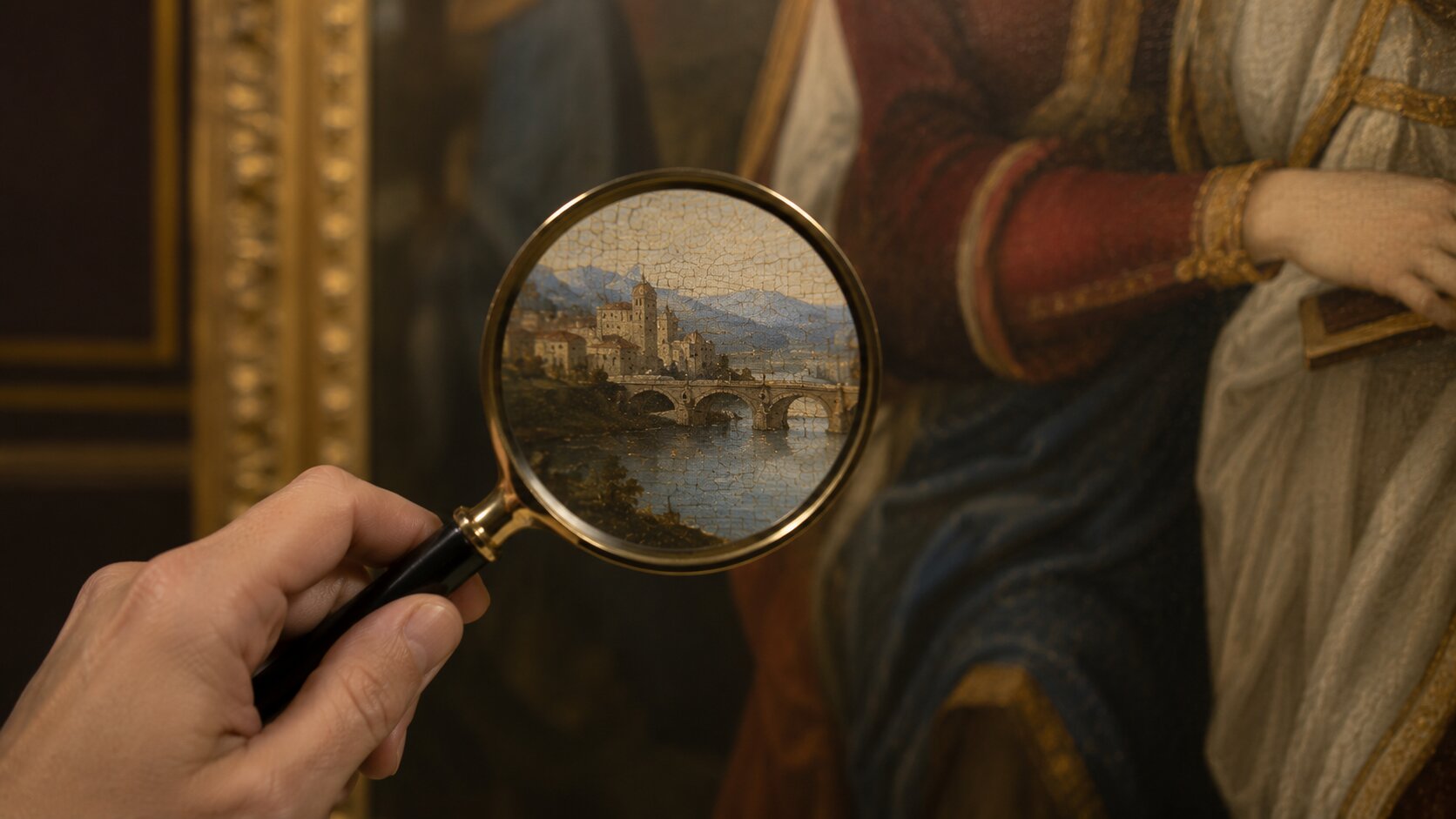
The Essential Route: What to See and Why
Giotto: A New Sense of Humanity
Before the Renaissance fully arrives, Giotto gives painting weight and emotional presence it didn't have before. His figures feel grounded and physically real, a genuine break from the flat, symbolic style that came before him. That shift, more than any single painting, explains why art historians treat Giotto as one of the first true turning points in Western art.
Botticelli: Primavera and The Birth of Venus
Botticelli painted Primavera around 1480, on wood panel, likely for a Medici villa. The Birth of Venus followed around 1485, painted on canvas rather than wood. That was an unusual choice at the time, suggesting it was meant for a more casual setting than a formal palace room. Both works draw on Neoplatonist philosophy developed at the Medici court by Marsilio Ficino. They blend classical mythology with the intellectual fashions of Lorenzo de' Medici's Florence. Seen together, they say as much about Medici patronage and court philosophy as they do about Botticelli's technique.
Leonardo da Vinci: Observation and Psychology
Leonardo's work in the Uffizi shows his growing obsession with anatomy, light, and inner emotion. It bridges the clear, structured style of the early Renaissance with the psychological complexity that would define the century's later decades.
Michelangelo: Monumental Force
Even working in paint rather than marble, Michelangelo's figures read as sculptural and physically intense. That same dramatic energy defines the High Renaissance more broadly.
Raphael: Harmony and Proportion
Raphael's compositions balance technical mastery with a restraint Michelangelo rarely aimed for. He represents the other half of the High Renaissance ideal: grace built on precision. Where Michelangelo pushes toward drama, Raphael pulls toward calm — the two painters, working in the same city in the same decades, essentially argued the same period's two competing ideas of perfection.
Caravaggio: A Dramatic Shift
Caravaggio's stark lighting and raw emotional realism still feel startlingly modern centuries later. His work signals the turn toward the Baroque, and a new interest in human drama over idealized beauty. Standing his work next to Botticelli's a few rooms away makes the distance between the two eras genuinely visible — roughly a century separates them, and it shows in almost everything about how the paint is handled.
How Long Should You Spend Here?
A highlights-focused visit runs 1.5 to 2 hours. A more relaxed, contextual visit takes closer to 3 hours. Serious art enthusiasts often give it half a day. None of these is the "correct" amount of time. What matters is matching the pace to what you actually came for, rather than stretching a rushed visit into something it isn't.
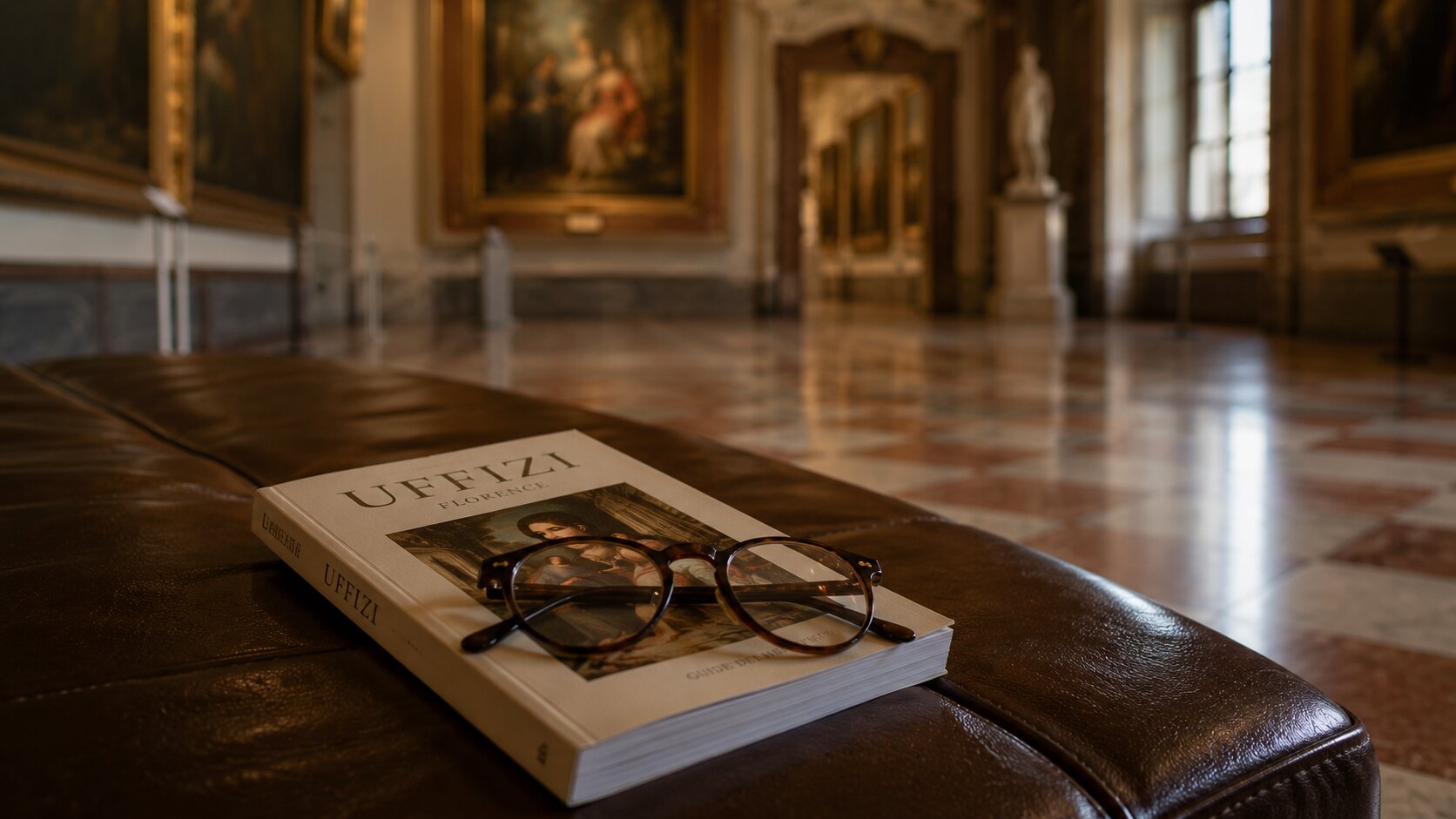
Seeing the Uffizi as Part of a Larger Story
Visitors who leave the Uffizi feeling overwhelmed usually experienced it as a sequence of disconnected masterpieces. Not as one continuous story about how Florence produced them. Once you understand how Medici patronage shaped what got commissioned, and how artists in this city responded to and competed with each other across generations, something shifts. The museum stops feeling like a list of famous names. It starts feeling like a single, coherent argument about how art changed.
Why What to See and Why Actually Matters
The Uffizi isn't a museum you finish. It's one you understand in layers, some of which only become visible once someone explains what you're actually looking at. Walking in with a sense of why these specific works matter, rather than which ones are simply famous, changes what you carry out of the building entirely. Instead of a blur of images, you leave with something else. An actual sense of how Renaissance Florence rewired the history of Western art.