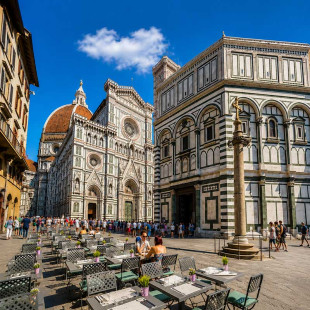
Spend ten minutes at a café table in Florence and you'll notice it before you notice anything else: Italians talk with their whole bodies, not just their voices. A raised eyebrow, a flick of the wrist, a shrug held a beat too long — these carry as much meaning as the words wrapped around them.
Where the Gestures Come From
Isabella Poggi, a psychology professor at Roma Tre University, has spent years cataloguing Italian gesture and identified roughly 250 distinct signs still in daily use. That's not a casual estimate. It's close to the size of a small working vocabulary, built up over centuries.
Two theories explain how it got that large. One points to Naples, where Neapolitan priest Andrea de Jorio wrote an entire 1832 study connecting the gestures he saw on the street to hand positions carved into ancient Greek vases and Roman frescoes found in the same region. The gestures, in other words, may be genuinely ancient, passed down largely unchanged while the spoken language around them shifted. The other theory points to centuries of foreign occupation, by Austria, France, and Spain, when a language understood without words offered a way to communicate past whoever happened to be listening in.
These gestures aren't taken lightly, either. In 2012, Italy's highest court ruled against a man in Puglia who'd struck a woman during an argument, in part because of a gesture he'd made at her beforehand — the court noted plainly that "the public street isn't a living room." It's a reminder that this isn't decorative body language. It's communication with real social weight behind it.
A Guide to the Hand Gestures
You don't need fluent Italian to get by if you can read a few of these correctly. The best way to actually absorb them is simply to sit in a piazza and watch people talk. Here are a dozen worth knowing before you go.
Cheek Screw
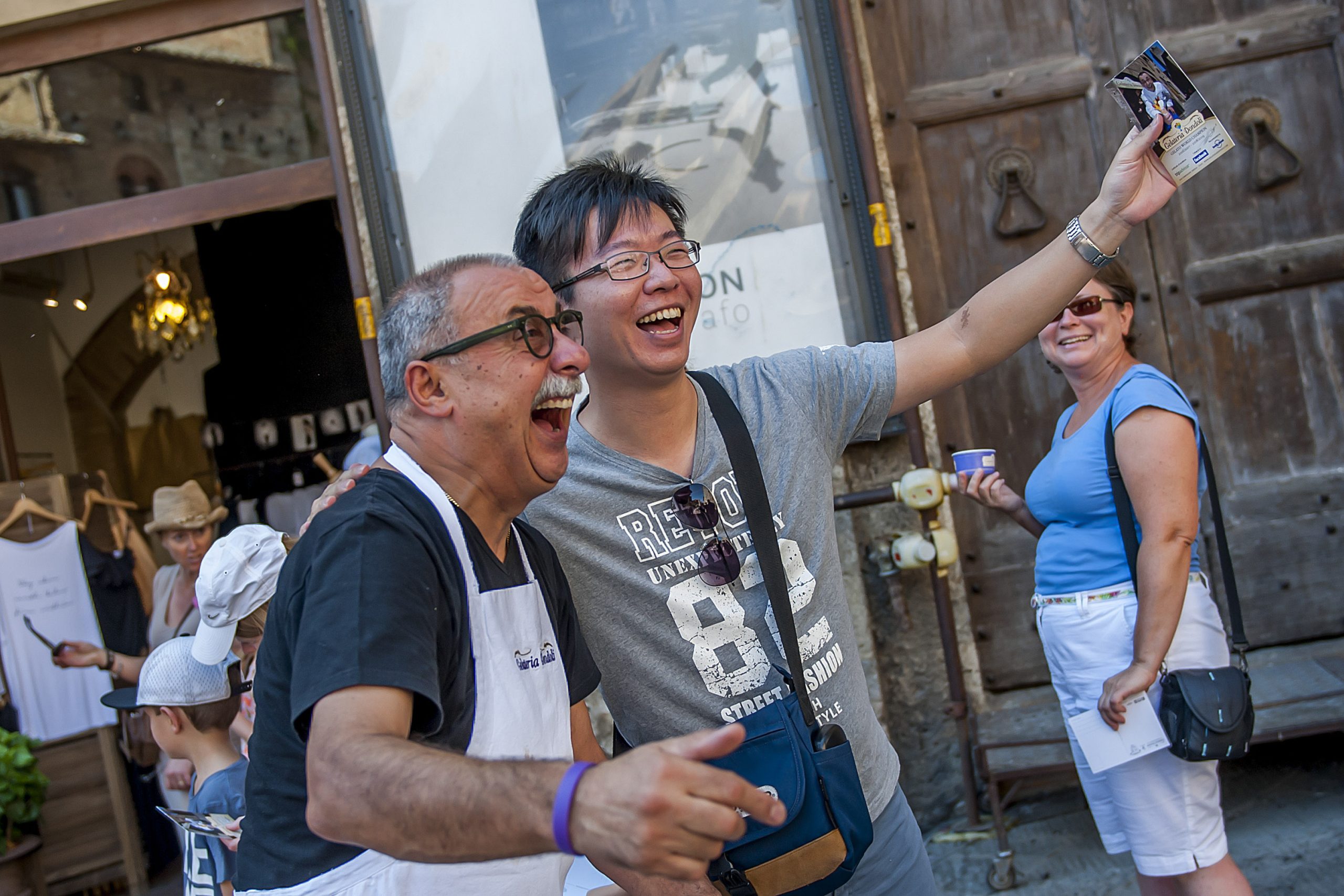
Extend one index finger and screw it into your cheek. It means "delicious." Parents use it constantly to encourage kids to eat, and waiters use it to steer you toward the best dish on the menu.
Chin Flick
Run your fingers up from your throat to the tip of your chin, palm facing your body. Translated politely, it means "I couldn't care less." Read the room before using it — the meaning can land harder than the English translation suggests.
The Spaghettata
Index and middle finger mimic a fork twirling spaghetti. It means exactly what it looks like: you're craving a plate of pasta.
The Horns (Against the Evil Eye)
Extend your index finger and pinky, hand facing down, and flick your wrist. This gesture, cornuto, wards off bad luck or the evil eye. It usually comes with a slightly worried expression to match.
The Purse Hand
Bunch your fingertips together, pointed upward, and move your hand at the wrist. It's the closest thing Italy has to a national symbol, sometimes called "the Italian hand," and it means "what do you want?" or "what are you talking about?" — the exact tone depends entirely on the face that goes with it.
Prayer Clasp
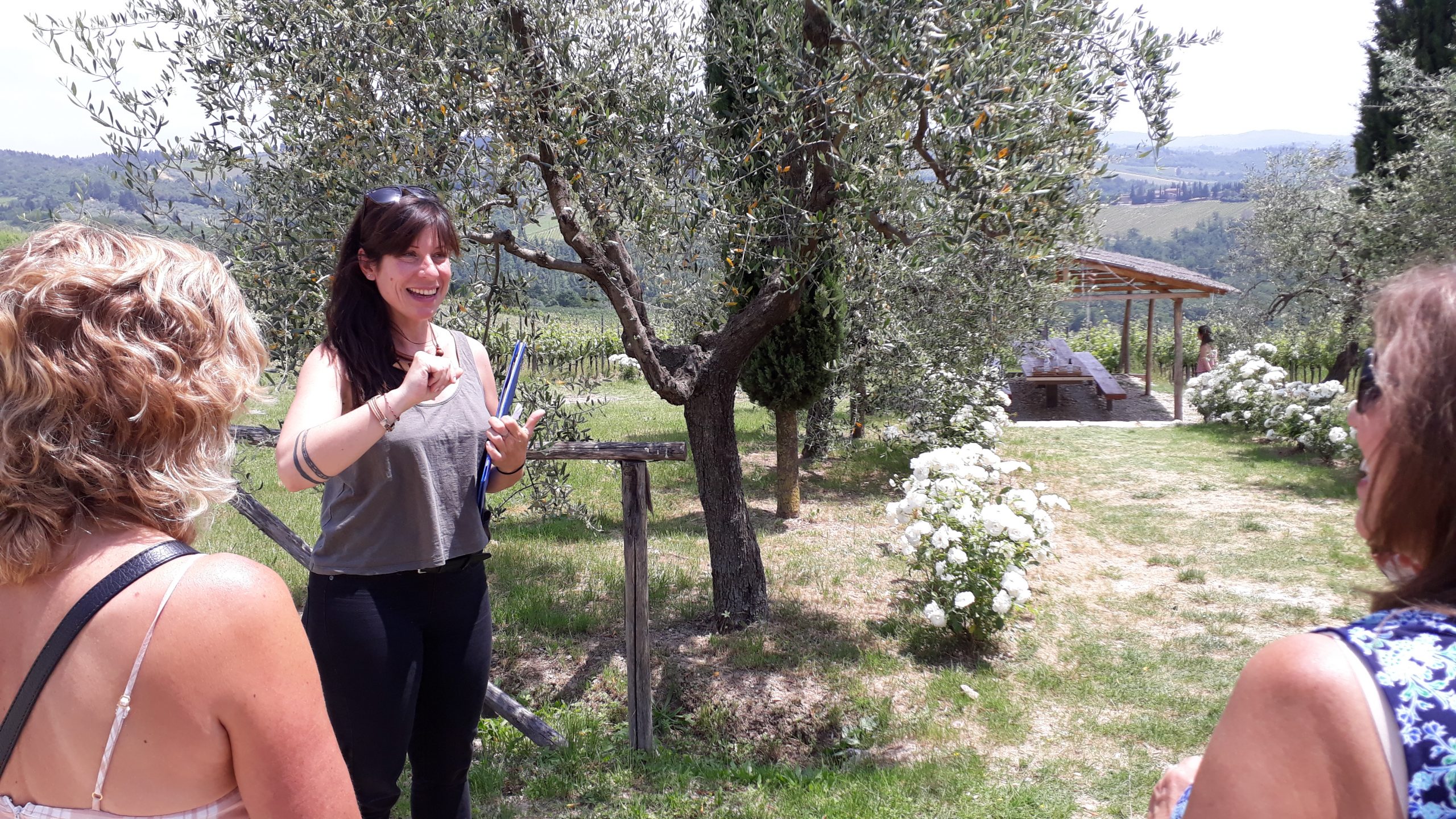
Palms together, fingers extended, held in front of the chest as if praying. It means "please, do me a favor."
Finger Kiss
Bring your bunched fingertips to your lips, then release. It signals "excellent" — the kind of praise usually reserved for a particularly good meal.
Temple Point
Tap your index finger against your temple. It means "don't be ridiculous," aimed at someone who's just said something foolish.
Line in the Air
Press your thumb and index finger together and draw a small horizontal line in the air. It means "perfect."
Eyelid Pull
Tug gently at the skin under one eye with your index finger. It means "watch out" or "pay attention," often used as a quiet warning between friends.
Fingers Crossed at the Mouth
Cross both index fingers in front of your lips to form an X. It means "I swear it" or "I promise," with the implicit understanding that you'll also keep quiet about whatever you just promised.